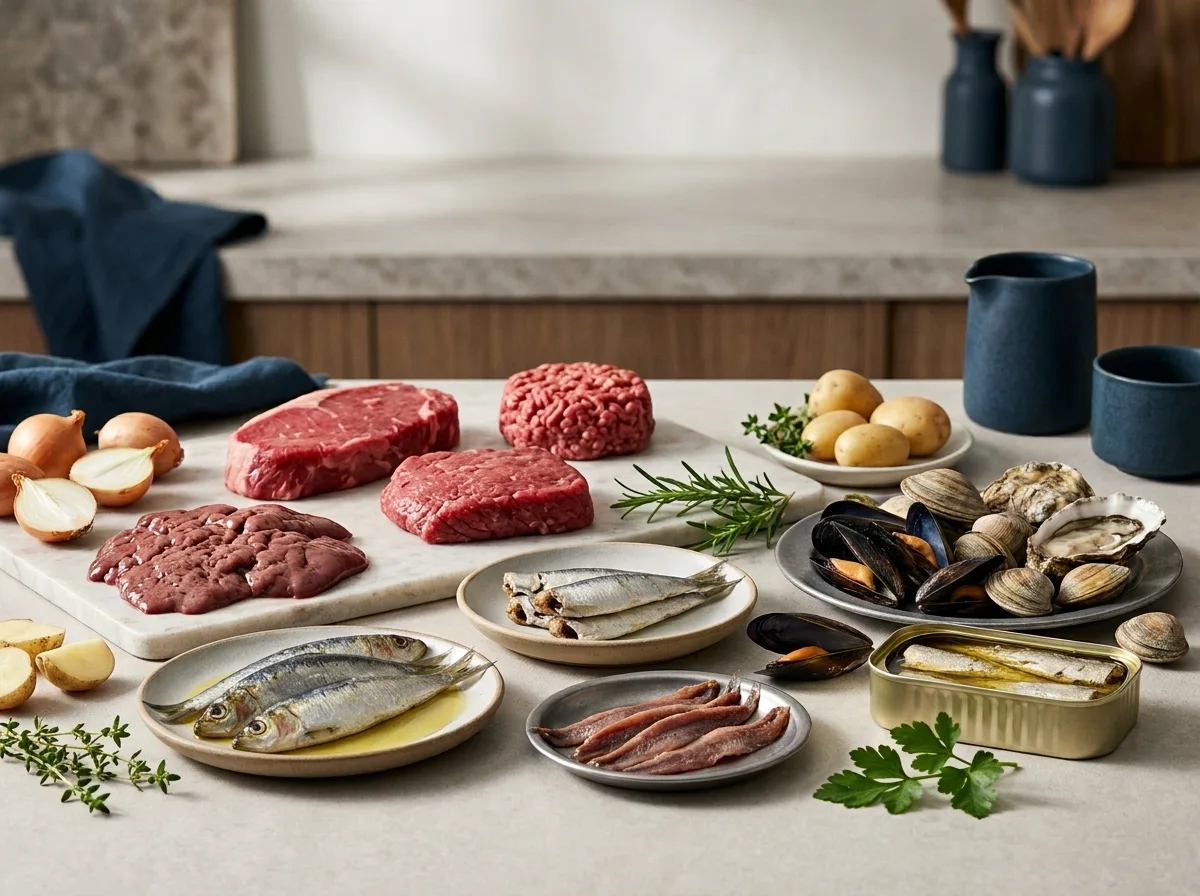
Purines are naturally occurring compounds found in the cells of the human body and in many foods. When the body breaks down purines, they are converted into uric acid, which is normally eliminated through the kidneys. When uric acid accumulates in the blood, it can increase the risk of hyperuricemia and gout.
Not all high-purine foods have the same effect on uric acid levels or gout risk. Foods such as organ meats, certain fish, shellfish, and large amounts of red meat contain relatively high amounts of purines and are more strongly associated with gout. In contrast, many plant-based foods also contain purines but generally have a much weaker association with gout risk.
Understanding the difference between animal and plant sources of purines is important when planning a healthy diet. Having gout does not mean that you need to eliminate every purine-rich food. Instead, the focus should be on limiting the foods most strongly associated with gout while maintaining a balanced diet rich in vegetables, fruits, whole grains, and other nutrient-dense foods.
In this article, we explain which foods are high in purines, which purine-rich foods should be limited, how dietary purines affect uric acid, and which lower-purine foods can be included in a healthy diet.
What Are Purines?
Purines are natural compounds that are essential for normal cell function. They are important for the formation and structure of DNA and RNA and play a role in cellular energy production and other metabolic processes. When purines are broken down, they are converted into uric acid, a waste product that is normally removed from the body through the kidneys.
Purines come from two sources: the body’s normal metabolism and the foods we eat. Most purines are produced naturally by the body, while the remainder comes from dietary sources such as meat, seafood, legumes, and vegetables.
When uric acid levels become too high, a condition known as hyperuricemia, urate crystals may form and increase the risk of gout. However, not all purine-rich foods affect gout risk equally. High-purine animal foods appear to have a greater impact on uric acid levels than most plant-based sources of purines.
Understanding which foods are high in purines can help people with gout make informed dietary choices while maintaining a balanced and nutritious diet.
What Are High-Purine Foods?
High-purine foods are foods that contain relatively large amounts of purines, which are broken down by the body into uric acid. Foods can be classified according to their approximate purine content, ranging from low-purine foods to foods that contain particularly high amounts.
The highest-purine foods are generally organ meats, certain fish, and some seafood. Red meat and poultry contain moderate to high amounts of purines, while some plant-based foods, including legumes and certain vegetables, also contain purines.
However, purine content alone does not determine whether a food is harmful for people with gout. Animal-based high-purine foods have a stronger association with gout risk than most plant-based purine sources. Therefore, foods such as beans, lentils, and vegetables do not necessarily need to be avoided simply because they contain purines.
| Food Group | Purine Level | Examples |
|---|---|---|
| Organ Meats | Very high | Liver, kidney, sweetbreads |
| Certain Fish | Very high | Anchovies, sardines, herring, mackerel |
| Certain Seafood | High | Mussels, scallops, shrimp and other shellfish |
| Red Meat | Moderate to high | Beef, lamb, pork |
| Poultry | Moderate | Chicken, turkey |
| Legumes | Moderate | Lentils, beans, chickpeas, peas |
| Vegetables | Low to moderate | Spinach, asparagus, mushrooms, cauliflower |
Foods Highest in Purines
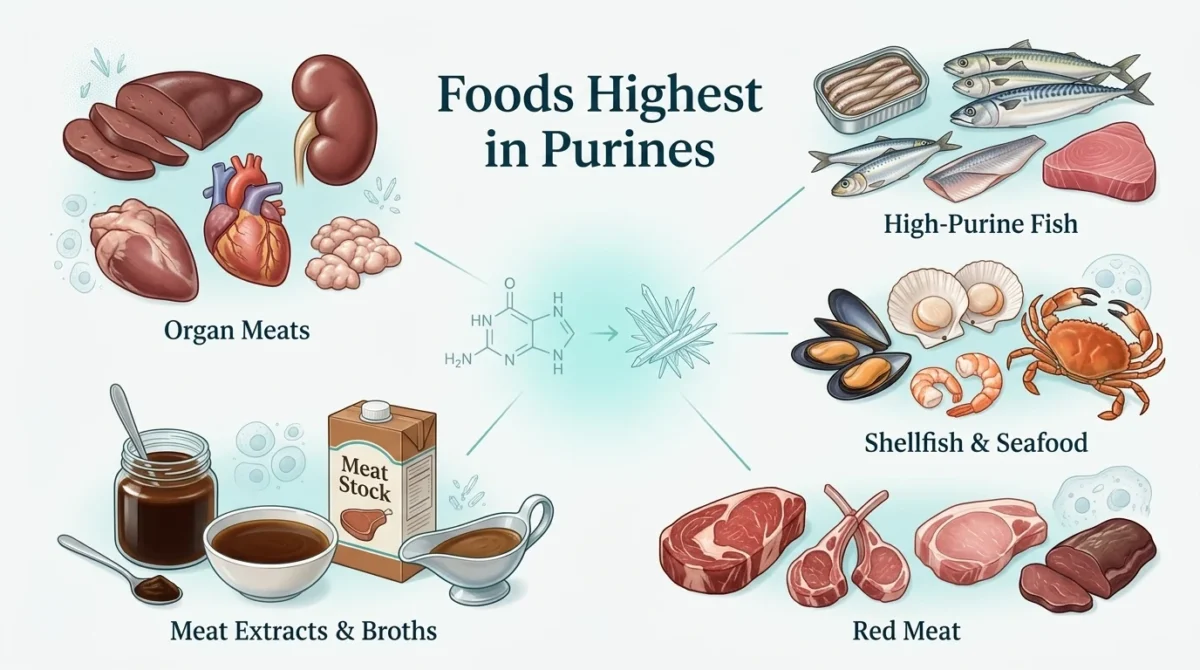
Foods vary considerably in their purine content. The foods with the highest concentrations are mainly certain animal products, particularly organ meats, some fish and seafood, and concentrated meat products. These foods can contribute to the body’s uric acid production when their purines are broken down.
However, purine content alone does not determine the effect of a food on gout. The relationship between dietary purines, blood uric acid levels, and gout risk is more complex, and plant-based foods containing purines generally have a weaker association with gout than many high-purine animal foods.
1. Organ Meats
Organ meats are among the foods richest in purines and are generally considered some of the most important dietary sources to limit in people with gout.
Examples include:
- Liver
- Kidney
- Heart
- Sweetbreads
Organ meats can contain considerably more purines than most commonly eaten muscle meats. For people with recurrent gout, these foods are generally best consumed rarely or avoided.
2. Fish High in Purines
Some fish contain particularly high amounts of purines and may contribute to increased uric acid production when eaten in large amounts or frequently.
Examples include:
- Anchovies
- Sardines
- Herring
- Mackerel
- Tuna
Not all fish have the same purine content. Therefore, it is more accurate to distinguish between high-purine fish and fish with lower or moderate purine levels rather than considering all fish equally problematic.
3. Shellfish and Seafood
Several types of seafood contain moderate to high amounts of purines. The amount can vary substantially between individual species.
Examples include:
- Mussels
- Scallops
- Shrimp
- Crab
- Other shellfish
People with gout do not necessarily need to eliminate all seafood from their diet. However, frequent or large portions of high-purine seafood may be worth limiting, particularly in people who experience recurrent gout attacks or have difficulty controlling uric acid levels.
4. Red Meat
Red meat generally contains moderate to high amounts of purines, although its purine content is usually lower than that of organ meats.
Common examples include:
- Beef
- Lamb
- Pork
- Game meats
The effect of red meat on gout risk is influenced not only by its purine content but also by portion size and how frequently it is consumed. For people with gout, moderate portions and less frequent consumption are generally preferable to large amounts of red meat.
5. Meat Extracts, Concentrated Broths and Gravies
This is an often-overlooked source of dietary purines.
When meat is cooked in water, some water-soluble compounds, including purine-related substances, can pass into the cooking liquid. If the liquid is then concentrated or reduced, these compounds become more concentrated.
Examples include:
- Meat extracts
- Concentrated meat broths
- Meat stocks and reduced stocks
- Gravies made from meat stock
- Bouillon and meat-based stock products
- Yeast extracts
These products can be particularly easy to overlook because they may be consumed as part of a sauce, soup, gravy, or prepared meal rather than as a recognizable meat source.
Clinical Insight
If you are trying to reduce dietary purine intake because of gout, do not focus only on the meat itself. Concentrated meat extracts, broths, and gravies can also contribute to dietary purine exposure.
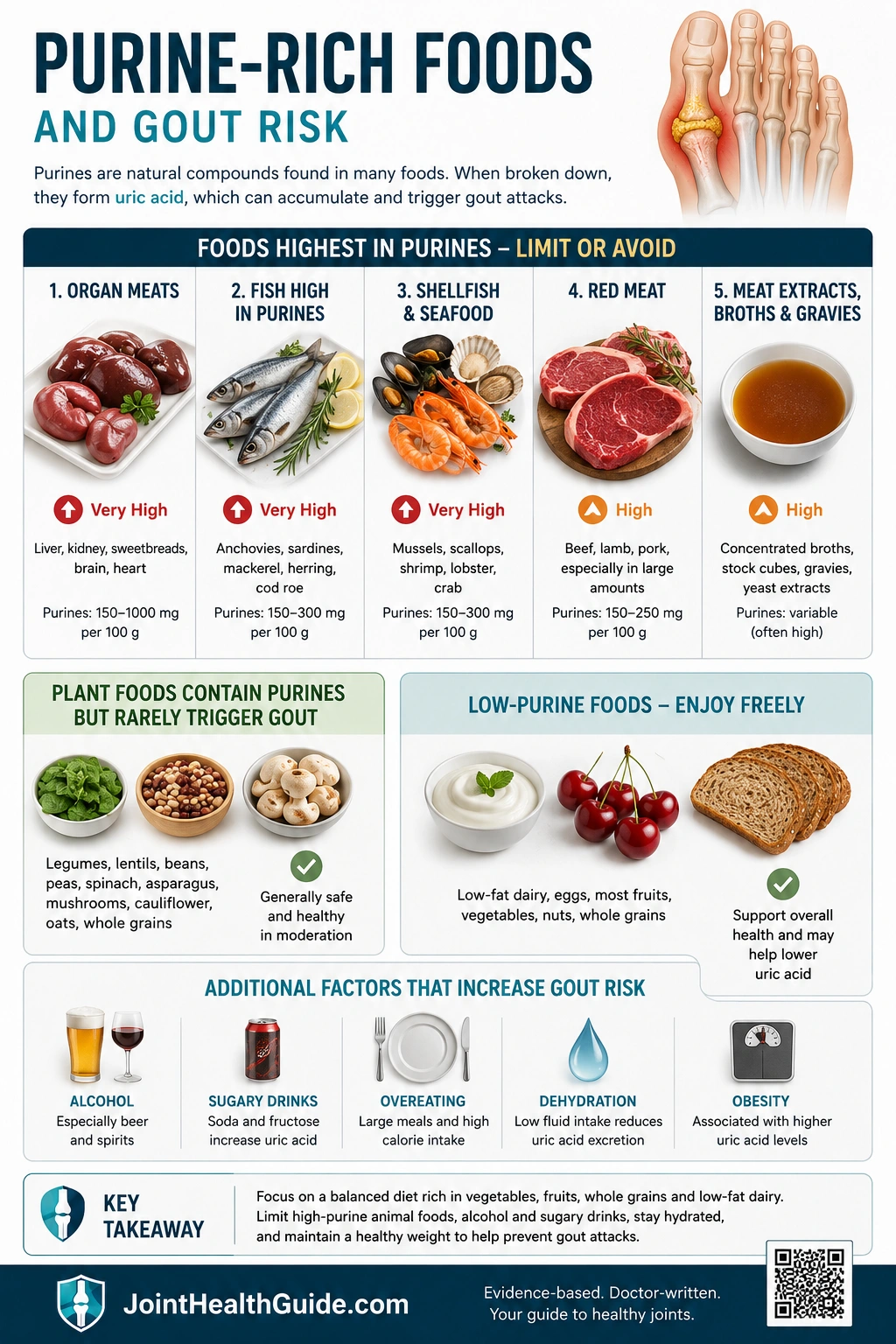
Which Foods Are Highest in Purines?
In general, organ meats and certain fish and seafood are among the most concentrated dietary sources of purines. Concentrated meat extracts and broths are another category that is often overlooked.
Importantly, this does not mean that every food containing purines needs to be eliminated. The type of food, portion size, frequency of consumption, and overall dietary pattern all matter. Plant foods such as beans, lentils, and many vegetables may contain purines but generally do not need to be avoided solely because of their purine content.
Related Guides
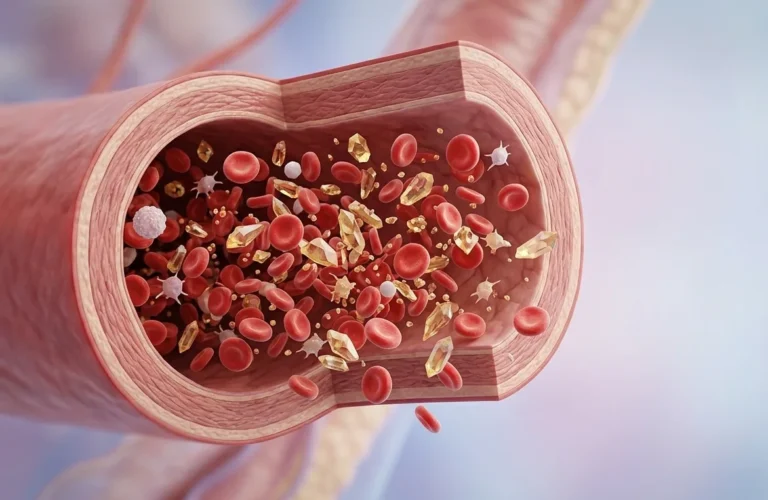

Purine-Rich Foods: Animal vs. Plant Sources
Not all purine-rich foods have the same effect on gout risk. Although both animal and plant foods contain purines, animal sources such as organ meats, certain fish, seafood, and red meat have a stronger association with gout than most plant-based sources.
Plant Foods That Contain Purines
Common plant foods that contain purines include:
- Beans
- Lentils
- Chickpeas
- Peas
- Spinach
- Asparagus
- Mushrooms
- Cauliflower
The presence of purines does not automatically mean that these foods should be avoided. Legumes and purine-containing vegetables can generally be part of a healthy diet for people with gout.
Not all purine-rich foods have the same effect on gout risk.
For people with gout, the focus should be on limiting the highest-purine animal foods rather than avoiding all foods that contain purines.
Are All Foods High in Purines Bad for Gout?
No. A food’s purine content does not automatically mean that it will trigger a gout attack. The effect of dietary purines depends on the type of food, the amount consumed, and the individual’s overall risk of gout.
Animal vs. Plant Sources
High-purine animal foods, particularly organ meats, certain fish, seafood, and red meat, have a stronger association with gout risk. In contrast, legumes and vegetables that contain purines do not need to be automatically eliminated from the diet.
Overall Diet Matters
Rather than trying to avoid every food containing purines, people with gout should focus on an overall healthy dietary pattern. This means limiting the highest-purine animal foods while eating plenty of vegetables, fruits, whole grains, and other nutrient-dense foods.
The goal is not a zero-purine diet, but a balanced diet that reduces the foods most strongly associated with gout.
High-Purine Foods to Limit or Avoid With Gout
If you have gout, the most important foods to limit are those that are particularly high in purines or are strongly associated with increased gout risk.
Foods to Limit
- Organ meats such as liver, kidney, and heart
- Anchovies, sardines, and herring
- Certain shellfish
- Large portions of red meat
- Meat extracts and concentrated broths
These foods can increase dietary purine intake and may contribute to higher uric acid levels, particularly when consumed frequently or in large amounts.
Alcohol and Sugary Drinks
Alcohol and sugar-sweetened beverages are not high-purine foods, but they are important dietary factors in gout and should be considered separately.
Excessive alcohol intake, particularly beer and spirits, can increase the risk of gout attacks. Sugar-sweetened beverages and foods high in added fructose can also increase uric acid production and are best limited.
Want to learn more about what to eat and avoid with gout? Read our complete guide to gout foods to avoid, high-purine foods, and the best diet for gout for practical dietary tips and a 7-day gout meal plan.
What Foods Are Low in Purines?
A low-purine diet does not mean eating only a small number of foods. Many nutritious foods are naturally low in purines and can form the basis of a healthy diet.
Common low-purine choices include:
- Eggs
- Low-fat dairy products
- Most fruits
- Most vegetables
- Whole grains
- Nuts and seeds
- Water and unsweetened beverages
These foods can be included regularly as part of a balanced diet for people with gout.
Can You Eat Beans and Lentils With Gout?
Yes. Beans and lentils can be part of a healthy diet for people with gout. Although legumes contain purines, they do not need to be avoided simply because of their purine content.
Plant-based purine sources generally have a weaker association with gout than high-purine animal foods such as organ meats and certain seafood.
Can You Eat Chicken and Fish With Gout?
Chicken can generally be eaten in moderate portions as part of a balanced diet. It contains purines, but its purine content is generally lower than that of organ meats.
It depends on the type of fish. Some fish are much higher in purines than others, so people with gout may benefit from limiting high-purine varieties such as anchovies, sardines, herring, and mackerel.
Quick List: Foods High in Purines
The following table provides a quick overview of foods that are relatively high in purines. Purine content can vary between individual foods and preparation methods, so these categories should be considered approximate.
| Category | Examples | Practical advice |
|---|---|---|
| Very high-purine foods | Organ meats, anchovies, sardines, herring, some shellfish | Best limited or avoided with gout |
| Moderate to high | Red meat, poultry, some fish | Choose moderate portions and limit frequent consumption |
| Plant sources | Beans, lentils, chickpeas, peas, some vegetables | Do not automatically avoid; generally compatible with a healthy diet |
Important: Plant-based foods that contain purines should not automatically be treated the same as high-purine animal foods. Beans, lentils, and many vegetables can remain part of a balanced diet for people with gout.
Frequently Asked Questions
What Foods Are Highest in Purines?
The foods highest in purines include organ meats, certain fish such as anchovies and sardines, some shellfish, and concentrated meat extracts. These foods are generally the most important high-purine foods to limit with gout.
What Are the Top 10 High-Purine Foods?
Common examples include liver, kidney, sweetbreads, anchovies, sardines, herring, mackerel, mussels, scallops, and meat extracts. Purine content varies between individual foods and preparation methods.
What Foods Are High in Purines?
High-purine foods include organ meats, certain fish and seafood, red meat, poultry, and concentrated meat products. However, not all foods containing purines have the same effect on gout risk.
What Is a Purine-Rich Food?
A purine-rich food is a food that contains a relatively high amount of purine compounds, which are broken down by the body into uric acid. Organ meats, certain fish, and some seafood are among the richest sources.
Are Eggs High in Purines?
No. Eggs are low in purines and can generally be included in a gout-friendly diet.
Is Chicken High in Purines?
Chicken contains purines but is generally considered a moderate-purine food. It can usually be eaten in moderate portions as part of a balanced diet.
Is Fish High in Purines?
Some fish are high in purines, while others contain less. Anchovies, sardines, herring, and mackerel are among the fish that are particularly rich in purines.
Are Beans High in Purines?
Beans contain purines, but they do not need to be avoided simply because of their purine content. Legumes can be part of a healthy diet for people with gout.
Are Lentils High in Purines?
Lentils contain purines but are generally suitable for a balanced diet in people with gout. Plant-based purine sources are not associated with gout risk in the same way as many high-purine animal foods.
Are Vegetables High in Purines?
Some vegetables contain moderate amounts of purines, including spinach, asparagus, mushrooms, and cauliflower. However, these foods generally do not need to be eliminated from a gout diet.
Are Tomatoes High in Purines?
No. Tomatoes are relatively low in purines and can generally be eaten as part of a balanced diet for people with gout.
Is Coffee High in Purines?
No. Coffee is not a high-purine food. Some research has also associated coffee consumption with a lower risk of gout, although coffee should not be considered a treatment for gout.
Does Cooking Reduce Purines?
Cooking, particularly boiling, can move some purines into the cooking water. However, cooking does not turn a high-purine food into a low-purine food, especially when the cooking liquid is consumed in soups, broths, or gravies.
What Foods Should I Avoid If I Have Gout?
People with gout should generally limit organ meats, certain high-purine fish and seafood, large portions of red meat, and concentrated meat products. Excessive alcohol and sugar-sweetened beverages should also be limited, although they are not high-purine foods.
What Foods Are Low in Purines?
Low-purine choices include eggs, low-fat dairy products, most fruits, most vegetables, whole grains, nuts, and seeds. These foods can form an important part of a balanced diet for people with gout.
FitzGerald JD et al. 2020 American College of Rheumatology Guideline for the Management of Gout. Arthritis Care & Research. PubMed: ACR guideline for gout management and dietary recommendations
Choi HK et al. Role of Diet in Hyperuricemia and Gout. Current Opinion in Rheumatology. Review: Dietary purines, uric acid, hyperuricemia and gout
Major TJ et al. Evaluation of the diet wide contribution to serum urate levels: meta-analysis of population based cohorts. BMJ. Study: Dietary factors associated with serum urate levels
Villegas R et al. Dietary factors and risk of gout. Review: Uric acid, purines and plant-based nutrition
Li R et al. Gout and Diet: A Comprehensive Review of Mechanisms and Management. Nutrients. Comprehensive review: Purine-rich foods and dietary management of gout
Richette P et al. 2016 updated EULAR evidence-based recommendations for the management of gout. Annals of the Rheumatic Diseases. EULAR recommendations: Lifestyle and dietary management of gout
Kakutani-Hatayama M, Kadoya M, Okazaki H, Kurajoh M, Shoji T, Koyama H, Tsutsumi Z, Moriwaki Y, Namba M, Yamamoto T. Nonpharmacological Management of Gout and Hyperuricemia: Hints for Better Lifestyle. Am J Lifestyle Med. 2017;11(4):321-329. doi:10.1177/1559827615601973. PMID:30202351; PMCID:PMC6125106. PubMed: Nonpharmacological management of gout and hyperuricemia
Sautner J, Eichbauer-Sturm G, Gruber J, Lunzer R, Puchner RJ. 2022 update of the Austrian Society of Rheumatology and Rehabilitation nutrition and lifestyle recommendations for patients with gout and hyperuricemia. Wien Klin Wochenschr. 2022;134(13-14):546-554. doi:10.1007/s00508-022-02054-7. PMID:35817987; PMCID:PMC9300548. Springer: Nutrition and lifestyle recommendations for gout and hyperuricemia