Throughout history, gout has been associated with rich food and excessive alcohol consumption. It is no coincidence that gout was once called the “disease of kings”—a symbol of wealth and status, as only the upper classes could afford large amounts of meat and wine. Gout, also known as gouty arthritis, is an inflammatory joint disease caused by the deposition of uric acid crystals (monosodium urate) in the joints and surrounding tissues, triggering an intense inflammatory response.
High uric acid levels in the blood are the main risk factor for developing gout, although hyperuricemia does not always lead to the disease. While we now know that gout is not simply the result of a “royal diet,” diet still plays an important role in managing uric acid levels and reducing the risk of gout attacks.
In this article, we explain how a gout diet can help manage uric acid levels and reduce the risk of gout flares, which foods high in purines and other foods are best limited or avoided, and what you can eat as part of a healthy diet for gout.
The Historical Connection Between Gout, Food, and Alcohol
Gout has been recognized since ancient times and has held a unique place in both medicine and culture throughout history. The ancient Egyptians and Hippocrates described symptoms consistent with the disease. In later centuries, gout became known as the “disease of kings” or the “disease of the rich.” This reputation was largely based on its association with abundant food, particularly meat, and alcohol—luxuries that were far more accessible to wealthy members of society.

By the 18th century, gout had almost become a status symbol. Interestingly, some treatments used at the time were not only ineffective but potentially harmful. Alcoholic “punches” and other remedies were sometimes recommended to relieve pain or promote the elimination of uric acid, even though alcohol could actually make gout worse.
Gout was also a popular subject in art. One of the best-known examples is James Gillray’s “The Gout,” in which a demon attacks the big toe, dramatically portraying the severity of a gout flare. Several famous historical figures, including King Henry VIII and Benjamin Franklin, are believed to have suffered from gout, further reinforcing its association with wealth, indulgence, and luxury.
Today, however, we know that the story is much more complex. Diet and lifestyle can influence the risk of gout and the frequency of gout attacks, but they are not the sole causes of the disease. Genetics, kidney function, uric acid metabolism, medications, and other medical conditions can play a much greater role in determining who develops gout.
This is why modern recommendations focus not simply on avoiding “rich foods,” but on understanding which foods and drinks actually influence uric acid levels and gout risk.
Related Guides

What Is Gout and Why Does It Develop?
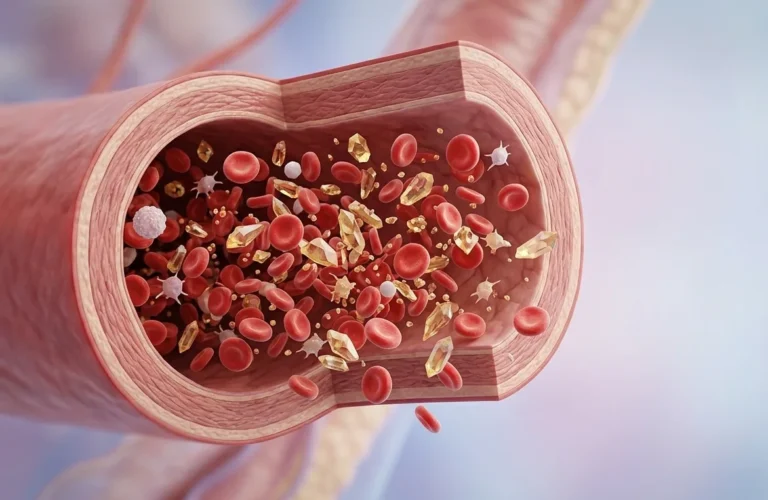
Gout, also known as gouty arthritis, is an inflammatory form of arthritis caused by the deposition of monosodium urate crystals in and around the joints. Uric acid is produced when the body breaks down substances called purines and is normally present in the blood. When uric acid levels become persistently elevated, a condition known as hyperuricemia, the risk of developing gout increases.
Hyperuricemia can result from either increased uric acid production or, more commonly, reduced excretion of urate by the kidneys. Around 90% of cases are thought to be related primarily to underexcretion rather than overproduction. Importantly, hyperuricemia does not always lead to gout, but the longer urate levels remain elevated, the greater the risk of developing gout and its complications.
Gout is more than just a painful big toe. Learn what causes gout, how to recognize an attack, and what you can do to prevent future flares.
Under normal conditions, urate remains dissolved in the blood. When serum urate exceeds its approximate saturation point of 6.8 mg/dL (404 μmol/L), monosodium urate crystals can begin to form and deposit in tissues, particularly in and around joints.
Gout may present as acute attacks of intense joint inflammation or, when hyperuricemia persists for years, as chronic gout, which can lead to tophi and progressive joint damage.
Clinical Insight
Persistent hyperuricemia is the key risk factor for gout, but not everyone with high uric acid develops the disease.
How Does Diet Affect Gout?
Diet plays an important role in managing uric acid levels and may influence the risk and frequency of gout attacks. What we eat can affect the amount of uric acid produced and, in some cases, how effectively the kidneys eliminate urate from the body. However, diet is only one piece of the puzzle. Genetics, kidney function, body weight, medications, alcohol consumption, and other factors also influence the development and progression of gout.
A healthy gout diet is therefore not simply about avoiding every food that contains purines. Instead, the goal is to limit foods and drinks that are most strongly associated with higher uric acid levels and gout attacks while maintaining a balanced, nutritious diet.
Four dietary factors are particularly important:
- purine intake
- alcohol and added sugars
- maintaining a healthy body weight
- adequate hydration
How Do Purines in Food Increase Uric Acid?
Purines are naturally occurring compounds that are essential components of nucleotides, which make up DNA and RNA and participate in numerous cellular processes. The body produces most of the purines it needs, while the remainder comes from food.
When purines are broken down, they are ultimately converted into uric acid. Eating large amounts of high-purine foods can increase uric acid production, particularly in people who already have impaired urate excretion or other risk factors for gout.
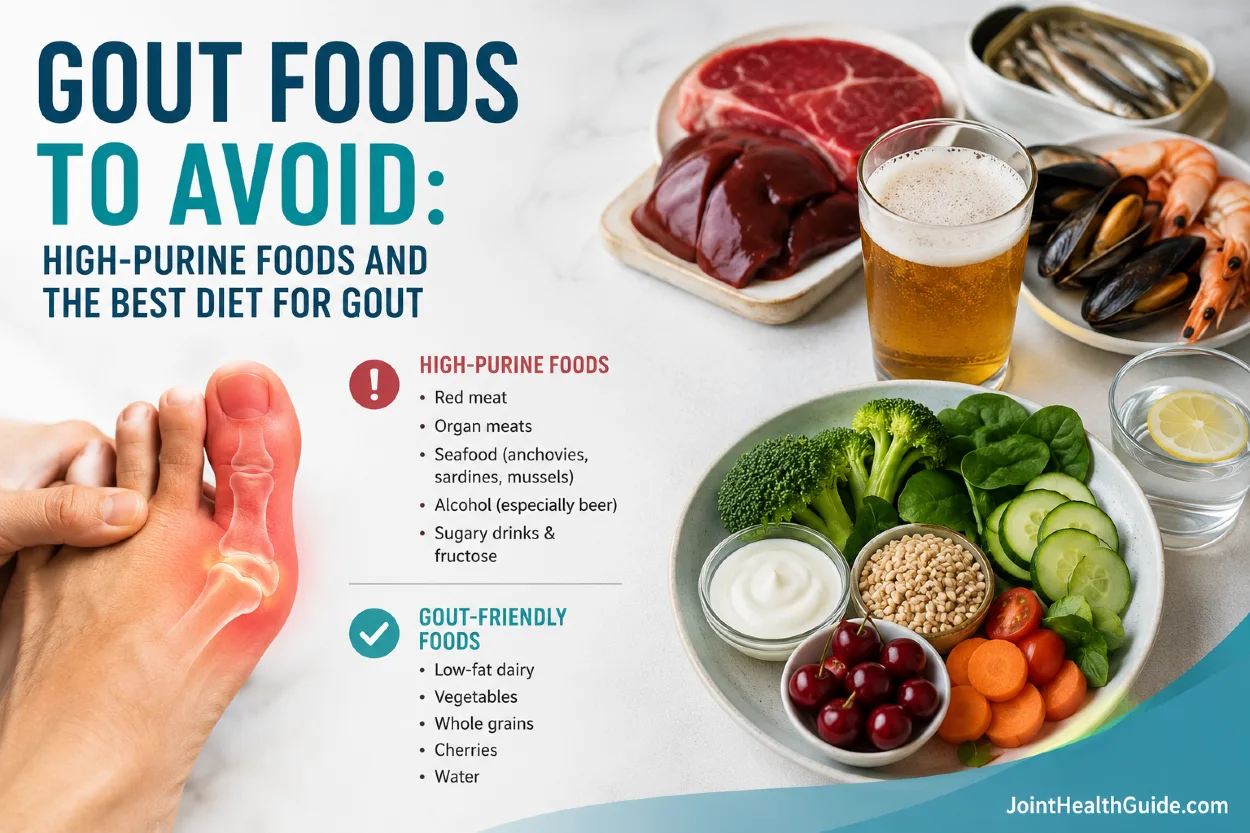
The foods highest in purines include organ meats such as liver and kidneys, as well as certain seafood, including anchovies, sardines, mussels, and other shellfish. Some types of red meat are also relatively high in purines. These are among the main gout foods to avoid or limit, particularly when consumed frequently or in large portions.
Importantly, not all purine-rich foods appear to have the same effect on gout risk. Plant-based foods containing purines, such as legumes and some vegetables, generally do not appear to increase gout risk to the same extent as certain animal-based foods high in purines.
The Effects of Alcohol and Sugar on Uric Acid
Alcohol can increase the risk of gout attacks through several mechanisms. It can increase uric acid production while also reducing the kidneys’ ability to eliminate urate. Beer and spirits appear to be particularly important, although excessive alcohol consumption of any type can increase gout risk.
For people looking for the most effective foods to avoid with gout, alcohol deserves special attention because its effect is not simply related to its purine content.
Fructose can also increase uric acid production. Fructose is found naturally in fruit, but the main concern in relation to gout is usually sugar-sweetened beverages and foods with added sugars, such as soft drinks, some fruit drinks, and highly processed foods. Large amounts of fructose can rapidly increase uric acid production by altering cellular energy metabolism.
This does not mean that people with gout need to avoid fruit. Whole fruits also provide fiber, vitamins, minerals, and other beneficial nutrients and can be part of a healthy diet for gout.
The Importance of Hydration and Healthy Body Weight
Adequate hydration is an important part of a gout diet. Drinking enough fluids helps maintain normal kidney function and supports the elimination of urate in the urine. Dehydration, on the other hand, can increase the concentration of urate in the blood and may contribute to gout flares.
There is no single amount of water that is appropriate for everyone. Fluid needs depend on body size, activity level, climate, kidney and heart function, and other medical conditions. People with gout should generally aim to stay well hydrated unless they have been advised to restrict fluids for another medical reason.
Excess body weight is also associated with higher uric acid levels and an increased risk of gout. Gradual, sustainable weight loss can help lower serum urate and may reduce the frequency of gout attacks. Crash diets and prolonged fasting, however, are not recommended because rapid weight loss can temporarily increase uric acid levels and potentially trigger a gout flare.
Clinical Insight
A healthy gout diet is not about eliminating all purines. Limiting high-purine animal foods, reducing alcohol and added sugars, staying hydrated, and maintaining a healthy body weight can all help manage gout.
Gout Foods to Avoid or Limit
Completely avoiding all high-purine foods is neither practical nor necessary for most people with gout. Instead, a low-purine diet for gout should focus on reducing or limiting foods and drinks that are most strongly associated with higher uric acid levels and an increased risk of gout attacks. This approach allows you to manage gout while still maintaining a varied and nutritionally balanced diet.
Foods to Avoid or Limit With Gout
- Organ meats and red meat: Liver, kidneys, and other organ meats are very high in purines. Red meat such as beef, lamb, and pork should also be limited.
- Certain seafood: Anchovies, sardines, mussels, herring, and some other seafood are high in purines and may increase the risk of gout attacks.
- Alcohol: Beer and spirits can increase uric acid levels and reduce its elimination by the kidneys, increasing the risk of gout flares.
- Sugar-sweetened drinks: Soft drinks and other beverages high in added sugar or fructose can increase uric acid production.
- Highly processed, calorie-dense foods: Diets high in calories and heavily processed foods can contribute to excess body weight and metabolic problems associated with higher uric acid levels.
Foods Recommended for Gout
While limiting high-purine foods is an important part of managing gout, it is equally important to know which foods can form the basis of a healthy gout diet. A well-balanced diet for gout should provide plenty of vegetables, fruits, whole grains, low-fat dairy products, and other nutrient-rich foods while limiting foods and drinks associated with higher uric acid levels.
Some foods may also have additional benefits. Low-fat dairy products are associated with a lower risk of gout, while cherries have been studied for their potential to reduce the risk of gout attacks. However, these foods should be considered part of an overall healthy eating pattern rather than a replacement for appropriate medical treatment.
Foods Recommended for Gout
- Vegetables, fruits, and whole grains: These nutrient-rich foods can be part of a balanced diet and provide fiber, vitamins, minerals, and antioxidants.
- Low-fat dairy products: Milk, yogurt, and low-fat dairy products are associated with a lower risk of gout and may help support healthy uric acid levels.
- Water and unsweetened beverages: Adequate hydration supports kidney function and helps the body eliminate urate through the urine.
- Cherries and other whole fruits: Cherries have been studied for their potential association with a lower risk of gout attacks, although they should not be considered a substitute for medical treatment.
7-Day Gout Diet Meal Plan: A Practical Example
A healthy gout diet does not mean giving up enjoyable food. Instead, it focuses on choosing nutritious foods that support healthy uric acid levels while limiting foods and drinks associated with a higher risk of gout attacks. A balanced diet for gout should include plenty of vegetables, whole grains, low-fat dairy products, healthy sources of protein, and adequate fluids, while keeping high-purine foods, alcohol, and added sugars to a minimum.
The following 7-day gout meal plan is a practical example based on dietary recommendations from Mayo Clinic and the Arthritis Foundation. It is intended as a general guide rather than a personalized medical diet.
This meal plan is an example of a balanced diet for gout and is not intended as a personalized medical diet.
Monday
Tuesday
Wednesday
Thursday
Friday
Saturday
Sunday
This meal plan is an example of a balanced diet for gout and is not intended as a personalized medical diet.
Gout Diet for Vegetarians
A vegetarian diet can be a healthy choice for people with gout when it is based on vegetables, fruits, whole grains, low-fat dairy products, nuts, seeds, and plant-based protein sources such as beans and lentils. Staying well hydrated and limiting alcohol, sugar-sweetened beverages, and highly processed foods are also important.
Although some plant foods, including legumes, contain purines, they do not need to be avoided simply because of their purine content. Unlike some high-purine animal foods, plant-based sources of purines have not been associated with the same increase in gout risk.
The meal plan below provides an example of a varied vegetarian diet for one week. Portion sizes should be adjusted according to individual energy needs, body weight, activity level, and any other health conditions. For people with established gout, diet is an important part of management, but dietary changes alone are often not enough to achieve and maintain target uric acid levels.
Monday
Tuesday
Wednesday
Thursday
Friday
Saturday
Sunday
Additional Tips for Managing Uric Acid and Preventing Gout Attacks
Diet is only one part of long-term gout management. Several lifestyle habits can help maintain healthy uric acid levels and reduce the risk of future gout attacks.
- Stay well hydrated: Drink fluids regularly unless you have been advised to restrict them for another medical condition.
- Maintain a healthy weight: Gradual weight loss, when needed, can help lower uric acid levels and reduce gout risk.
- Avoid crash diets and fasting: Rapid weight loss can temporarily increase uric acid levels and trigger a gout flare.
- Limit alcohol: Beer and spirits are particularly associated with an increased risk of gout attacks.
- Exercise regularly: Aim for consistent, moderate physical activity rather than sudden periods of intense exercise.
- Manage other health conditions: High blood pressure, diabetes, kidney disease, and metabolic problems can increase gout risk.
- Take prescribed medication consistently: If you have been prescribed urate-lowering therapy, taking it regularly is important for maintaining target uric acid levels.
- Monitor serum urate: Regular blood tests can help determine whether treatment and lifestyle changes are effectively controlling uric acid levels.
Clinical Insight
For people with established gout, lifestyle changes work best as part of a comprehensive treatment plan. Diet, healthy weight, regular activity, and appropriate urate-lowering therapy can help reduce the frequency of attacks and prevent long-term complications.
Quick Overview – Gout Diet
- Gout is caused by the deposition of monosodium urate crystals in joints, usually in the setting of persistently elevated uric acid levels.
- A healthy gout diet focuses on limiting high-purine animal foods, alcohol, sugar-sweetened beverages, and highly processed foods.
- Organ meats, certain seafood, and large portions of red meat are among the main foods to limit, while plant-based purine sources such as beans and lentils generally do not need to be avoided.
- Foods that can form the basis of a healthy diet for gout include vegetables, fruits, whole grains, low-fat dairy, nuts, seeds, and plant-based proteins.
- Healthy weight, adequate hydration, regular physical activity, and limiting alcohol can help reduce uric acid levels and the risk of gout attacks.
- Dietary changes can help manage gout, but people with established gout may also require urate-lowering therapy to achieve and maintain target serum urate levels.
Frequently Asked Questions About Gout Diet
What foods should I avoid with gout?
People with gout should limit or avoid organ meats, certain seafood, large portions of red meat, alcohol, sugar-sweetened beverages, and highly processed foods. These foods can contribute to higher uric acid levels or increase the risk of gout attacks.
What are the worst foods for gout?
Among the foods most strongly associated with gout are organ meats, certain seafood such as anchovies and sardines, beer and spirits, and sugar-sweetened beverages.
What foods are high in purines?
Foods high in purines include organ meats, some seafood, certain fish, and some types of meat. However, not every food containing purines needs to be eliminated from the diet.
Can I eat beans and lentils if I have gout?
Yes. Although beans, lentils, and chickpeas contain purines, plant-based purine sources generally do not increase gout risk in the same way as certain animal-based foods.
Can I eat eggs if I have gout?
Yes. Eggs are low in purines and can be included as a source of protein in a balanced diet for gout.
Can I eat chicken if I have gout?
Yes, but portion size and frequency matter. Chicken contains moderate amounts of purines, so it is best eaten in moderate portions and combined with other protein sources such as eggs, low-fat dairy, and plant-based proteins.
Can I eat fish if I have gout?
Some fish are relatively high in purines. Anchovies, sardines, herring, and mackerel should be limited, particularly if you experience frequent gout attacks.
Are tomatoes bad for gout?
No. Tomatoes do not need to be avoided because of gout and can be part of a balanced diet.
Is coffee good for gout?
Some observational studies have associated regular coffee consumption with a lower risk of gout. However, coffee is not a treatment for gout and should not replace appropriate medical therapy.
Are dairy products good for gout?
Low-fat dairy products, such as milk and yogurt, can be part of a healthy gout diet and are associated with a lower risk of gout.
Are cherries good for gout?
Cherries have been studied for their potential association with a lower risk of gout attacks. They can be included in a healthy diet but should not replace prescribed treatment.
Can diet lower uric acid?
Dietary changes can help lower serum urate levels, but the effect is usually modest compared with urate-lowering medication. People with established gout may need medication in addition to dietary and lifestyle changes.
What should I eat during a gout attack?
During a gout attack, choose balanced meals based on vegetables, whole grains, low-fat dairy, eggs, and moderate portions of lower-purine protein sources. Stay well hydrated and avoid alcohol, sugary drinks, organ meats, and other high-purine foods.