
Joint pain is a common problem that can affect almost any part of the body, from the knees and hips to the shoulders, hands, and feet. The medical term for joint pain is arthralgia, and it can range from mild, temporary discomfort to persistent pain that interferes with everyday activities.
Arthralgia is a symptom rather than a specific disease. It can result from many different conditions, including osteoarthritis, rheumatoid arthritis, gout, injuries, overuse, infections, and other inflammatory or systemic disorders. Importantly, having arthralgia does not necessarily mean that the joint itself is inflamed.
Understanding the cause of your joint pain is important because treatment depends on what is causing it. In this article, we’ll explain the most common causes of arthralgia, symptoms that may accompany joint pain, how doctors diagnose the problem, and which treatments can help relieve it.
What Is Arthralgia?
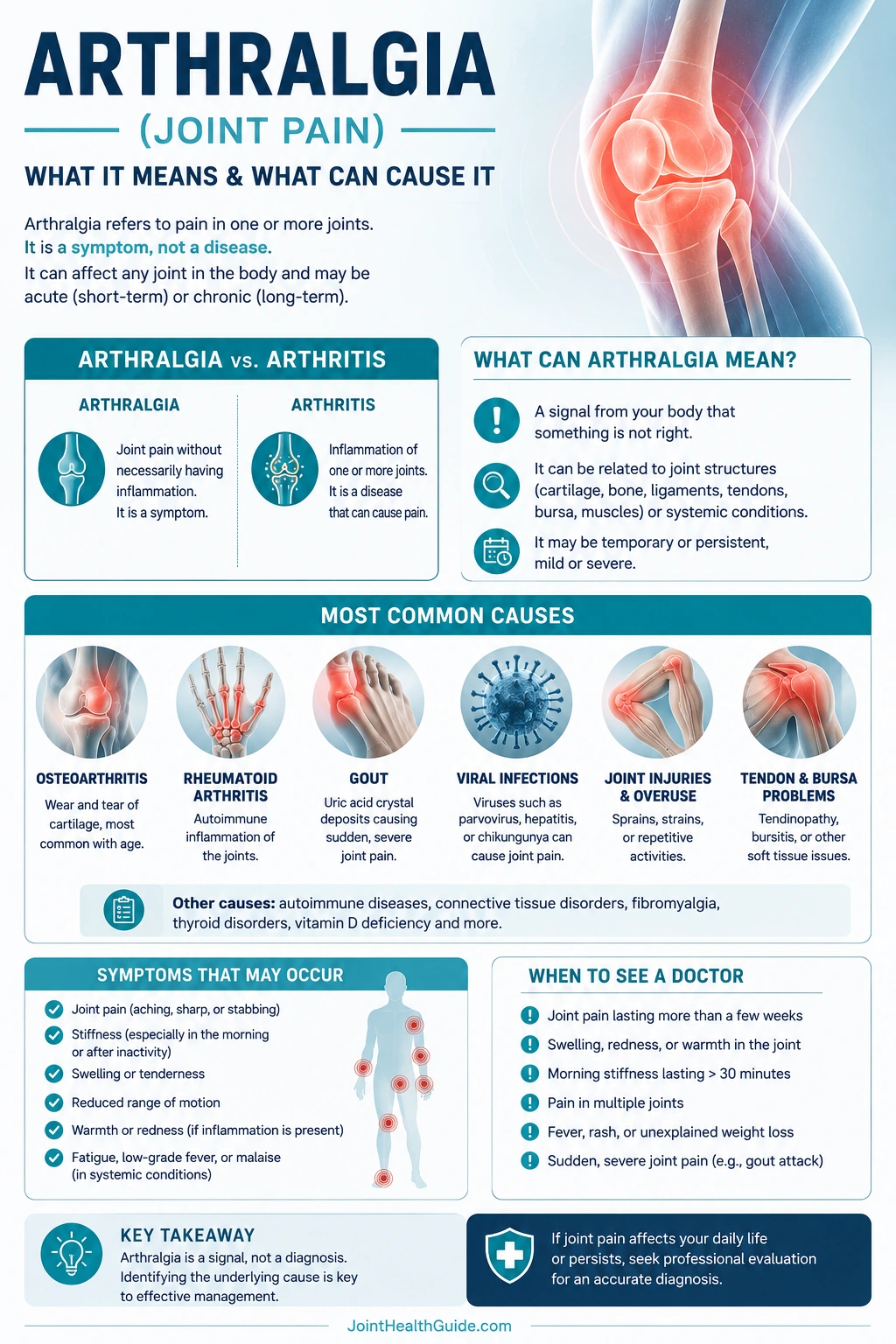
Arthralgia is the medical term for joint pain. It describes pain or discomfort felt in or around a joint, regardless of what is causing it. Arthralgia is a symptom rather than a specific disease or diagnosis.
Joint pain can affect one joint or several joints at the same time. It may occur in commonly affected joints such as the knees, hips, shoulders, hands, or ankles, but almost any joint can be affected.
Arthralgia can be acute or chronic. Acute arthralgia develops suddenly and usually lasts for a relatively short period, often following an injury, infection, or episode of inflammation. Chronic arthralgia persists for weeks or months and may be associated with conditions such as osteoarthritis or inflammatory rheumatic diseases.
Importantly, arthralgia does not necessarily mean that the joint is inflamed. A person can have significant joint pain without the swelling, warmth, and redness typically associated with arthritis. This distinction is important when determining the possible cause of joint pain and the appropriate treatment.
Arthralgia vs. Arthritis: What Is the Difference?
Although arthralgia and arthritis are often used interchangeably, they do not mean the same thing. Arthralgia simply describes pain in a joint, while arthritis refers to a condition involving inflammation or structural disease of the joint.
A person can have arthralgia without arthritis. For example, joint pain may occur after an injury, overuse, or certain infections without there being ongoing inflammation within the joint. Conversely, arthritis can cause joint pain along with other findings such as swelling, warmth, stiffness, or reduced movement.
The distinction is important because arthralgia describes what you feel, whereas arthritis describes an underlying joint condition. Determining whether inflammation or structural damage is present can help narrow down the cause and guide treatment.
What Causes Arthralgia?
Arthralgia can have many different causes, ranging from temporary irritation or injury to chronic joint disease or systemic conditions. The location and pattern of pain, its duration, and the presence of swelling, stiffness, fever, or other symptoms can help determine the underlying cause.
Related Guides

Osteoarthritis
Osteoarthritis is one of the most common causes of chronic joint pain, particularly in the knees, hips, hands, and spine, and it becomes increasingly common with older age. It develops as the tissues within the joint gradually change and the joint becomes less able to tolerate mechanical stress. Pain is often worse with activity and may improve with rest, although more advanced osteoarthritis can also cause pain at rest or at night.
Rheumatoid Arthritis
Rheumatoid arthritis is an autoimmune disease that causes inflammation of the joints. It commonly affects the small joints of the hands and feet, often in a symmetrical pattern, although larger joints can also be involved. Prolonged morning stiffness, joint swelling, fatigue, and other systemic symptoms may accompany the pain.
Gout
Gout occurs when uric acid crystals accumulate within a joint, triggering an intense inflammatory reaction. Attacks typically develop suddenly, causing severe pain, swelling, warmth, and redness. The first metatarsophalangeal (MTP) joint of the big toe is a classic site, but gout can affect other joints as well.
Viral Infections
Some viral infections can cause temporary joint pain, either during the infection or as part of the body’s immune response. Influenza and COVID-19 may be associated with generalized muscle and joint aches, while infections such as hepatitis B and C can also cause joint symptoms. The pain often occurs alongside other symptoms of the underlying infection.
Joint Injuries and Overuse
Sprains, strains, and sports injuries are common causes of acute joint pain. Repetitive loading or overuse can also irritate joint structures and cause pain without a major injury. The symptoms are usually related to activity and may improve with appropriate rest and gradual return to normal movement.
Tendon and Bursa Problems
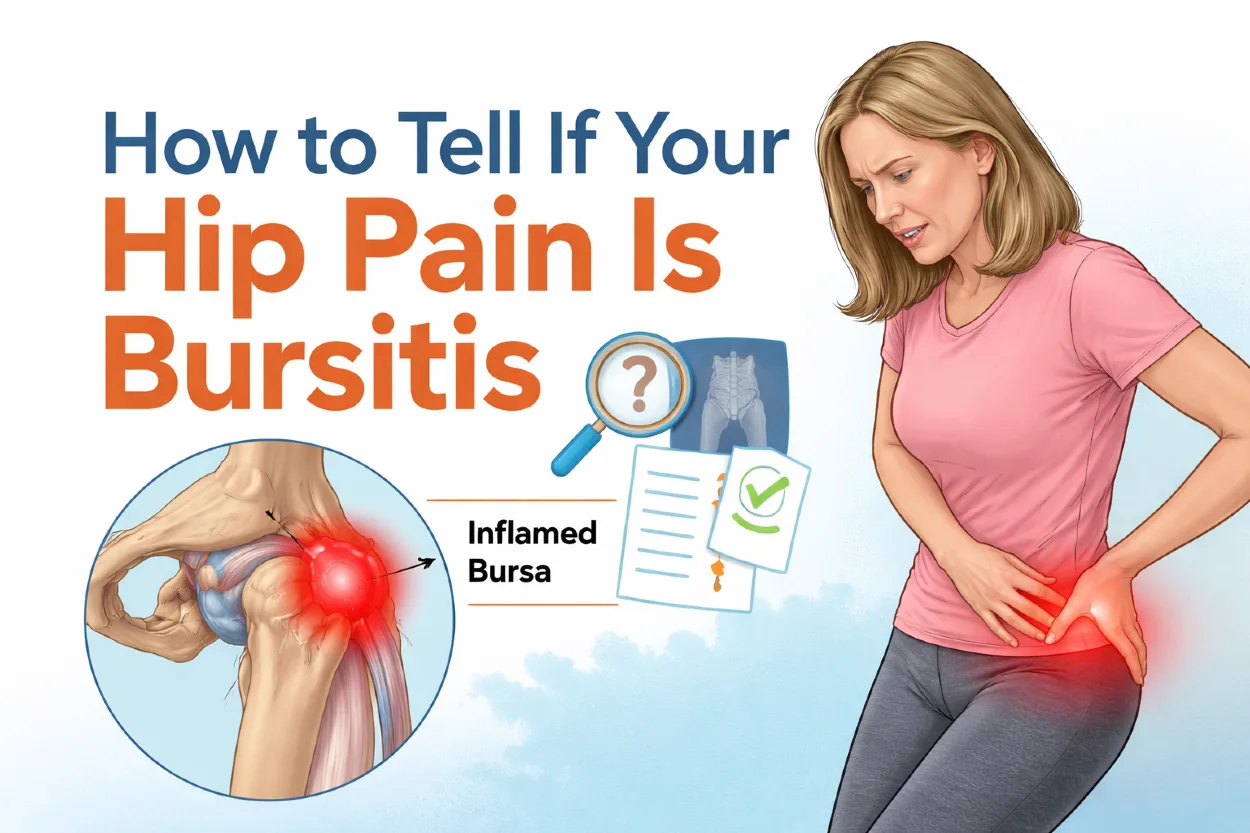
Not all pain that feels like it comes from a joint actually originates inside the joint. Tendon disorders and bursitis can produce pain around a joint and may be perceived as joint pain. This is particularly common around the shoulder, hip, knee, and elbow. Identifying the exact source of pain is important because treatment may differ substantially from that of a joint disorder.
Autoimmune and Connective Tissue Diseases
Several autoimmune and inflammatory conditions can cause arthralgia, either with or without obvious joint inflammation. Examples include systemic lupus erythematosus (SLE), psoriatic arthritis, and ankylosing spondylitis. These conditions may cause pain in multiple joints and can be accompanied by symptoms affecting the skin, eyes, gastrointestinal tract, or other organs.
Other Causes
Less common causes of arthralgia include thyroid disorders, certain medications, metabolic conditions, and other systemic diseases. Some medications can produce joint or muscle symptoms as an adverse effect, while endocrine or metabolic disorders may affect the muscles and joints indirectly.
Because the possible causes are so diverse, persistent, unexplained, or widespread joint pain should be evaluated in the context of the person’s other symptoms and medical history rather than attributed to a single condition.
Symptoms That Can Occur With Arthralgia
The symptoms that accompany arthralgia can provide clues about its underlying cause. Common symptoms include:
- Pain: The main symptom of arthralgia. Osteoarthritis typically causes pain that worsens with activity, while inflammatory arthritis may cause more persistent pain, especially after periods of inactivity.
- Stiffness: Morning stiffness is common with joint disorders. Stiffness lasting less than about 30 minutes is more typical of osteoarthritis, while prolonged morning stiffness may suggest inflammatory arthritis such as rheumatoid arthritis.
- Swelling: Swelling can indicate inflammation or excess fluid within the joint and is common with rheumatoid arthritis, gout, and other inflammatory joint conditions.
- Warmth and redness: A hot, red, and painful joint usually indicates significant inflammation. This is typical of acute gout, but can also occur with joint infection, particularly when accompanied by fever.
- Reduced range of motion: Pain, swelling, or structural changes can limit joint movement. This is common in osteoarthritis and inflammatory arthritis, while some conditions such as frozen shoulder cause particularly pronounced stiffness.
- Weakness: Pain can lead to reduced use of the affected limb and subsequent muscle weakness. For example, people with knee osteoarthritis may develop reduced quadriceps strength.
- Fatigue or fever: These symptoms are more suggestive of a systemic condition. Fatigue can occur with inflammatory diseases such as rheumatoid arthritis or lupus, while fever with a hot, swollen joint requires prompt medical evaluation to rule out infection.
When Should You See a Doctor for Joint Pain?
Not all joint pain requires immediate medical attention, and mild arthralgia often improves with rest and time. However, certain symptoms can indicate a more serious injury, infection, or inflammatory condition and should be assessed by a healthcare professional.
You should seek medical attention if you experience:
- Sudden, severe joint pain, particularly if it develops without an obvious cause.
- A hot, red, or significantly swollen joint, especially when the symptoms appear suddenly.
- Fever or feeling generally unwell together with joint pain.
- Inability to bear weight or use the affected joint normally.
- Severe joint pain after significant trauma, particularly if there is deformity or marked swelling.
- Pain affecting multiple joints together with symptoms such as fever, rash, unusual fatigue, or unexplained weight loss.
- Persistent or progressively worsening joint pain that does not improve with appropriate self-care.
A particularly important warning sign is a suddenly painful, hot, and swollen joint accompanied by fever, as this can indicate septic arthritis, which requires urgent treatment.
How Is Arthralgia Diagnosed?
There is no single test that can diagnose arthralgia because joint pain can have many different causes. The diagnostic process focuses on identifying the underlying condition based on the symptoms, physical findings, and, when necessary, additional tests.
The doctor will first take a medical history, asking about the location and duration of the pain, what makes it better or worse, previous injuries, morning stiffness, other affected joints, and associated symptoms such as swelling or fever.
A physical examination helps determine whether the pain is coming from the joint itself or from surrounding structures such as tendons, muscles, or bursae. The doctor may assess swelling, warmth, range of motion, joint stability, and muscle strength.
Blood tests may be recommended when an inflammatory, autoimmune, infectious, or metabolic cause is suspected. Depending on the clinical picture, these may include markers of inflammation, tests for rheumatoid arthritis, uric acid, or other specific tests.
Imaging tests can provide additional information about the structures causing pain. X-rays are particularly useful for detecting osteoarthritis, fractures, and other bony changes. Ultrasound can identify joint effusion, synovitis, tendon or bursa problems and can also be used to guide injections or joint aspiration. MRI provides more detailed images of cartilage, bone, tendons, ligaments, and other soft tissues and is useful when the diagnosis remains unclear or a significant structural problem is suspected.
In some cases, joint aspiration (arthrocentesis) is necessary. A small amount of fluid is removed from the joint and analyzed for infection, blood, or crystals such as those found in gout. This can be particularly important when a joint is acutely swollen, hot, and painful.
How Is Arthralgia Treated?
Treatment for arthralgia depends on its underlying cause, the severity of symptoms, and the joint involved. There is no single treatment that works for every type of joint pain. Management may include:
- Activity modification: Temporarily reducing activities that aggravate the pain can help calm symptoms without completely stopping movement.
- Exercise and physical therapy: Strengthening the muscles around an affected joint and improving mobility can reduce pain and improve function, particularly in conditions such as osteoarthritis.
- Weight management: Maintaining a healthy weight can reduce mechanical stress on weight-bearing joints, especially the knees and hips.
- Pain-relieving medications: Depending on the situation, analgesics or nonsteroidal anti-inflammatory drugs (NSAIDs) may be used to reduce pain and inflammation.
- Topical treatments: Topical NSAIDs can be useful for localized joint pain, particularly in superficial joints such as the knee or hand.
- Treatment of the underlying disease: Inflammatory conditions such as rheumatoid arthritis require specific treatment aimed at controlling the underlying disease rather than simply treating the pain.
- Injections: Corticosteroid or other injections may be appropriate for selected joint conditions when conservative treatment does not provide sufficient relief.
- Surgery: Surgical treatment may be considered when significant structural damage causes persistent pain and disability, particularly in advanced osteoarthritis.
How Can You Relieve Joint Pain at Home?
For mild joint pain without concerning symptoms, several measures may help relieve discomfort and maintain function:
- Relative rest: Reduce activities that clearly aggravate the pain, but avoid prolonged complete rest.
- Keep moving: Gentle movement can help prevent stiffness and maintain joint mobility.
- Ice or heat: Ice may help after an acute injury or when swelling is present, while heat can be useful for stiffness and chronic muscle or joint discomfort.
- Gradual strengthening: Once acute pain settles, gradually increasing strength and physical activity can help improve joint function and reduce recurrent symptoms.
- Avoid prolonged immobilization: Keeping a painful joint completely still for too long can increase stiffness and weakness and may delay recovery.
If joint pain is persistent, worsening, or associated with significant swelling, fever, or loss of function, home treatment should not replace a medical evaluation.
Arthralgia in Different Parts of the Body
The location of joint pain can provide important clues about its possible cause. Different joints are affected by different conditions, and the symptoms may also vary depending on whether the problem originates inside the joint or in the surrounding tissues.
Knee Pain
Knee pain is commonly caused by osteoarthritis, injuries, overuse, or problems involving the meniscus and surrounding tendons. Osteoarthritis becomes increasingly common with age and typically causes pain that is worse with weight-bearing activities.
If your joint pain is affecting your knee, finding the cause is the first step toward effective treatment. Learn more about the most common causes, symptoms, and treatment options in our detailed guide to knee pain.
Hip Pain
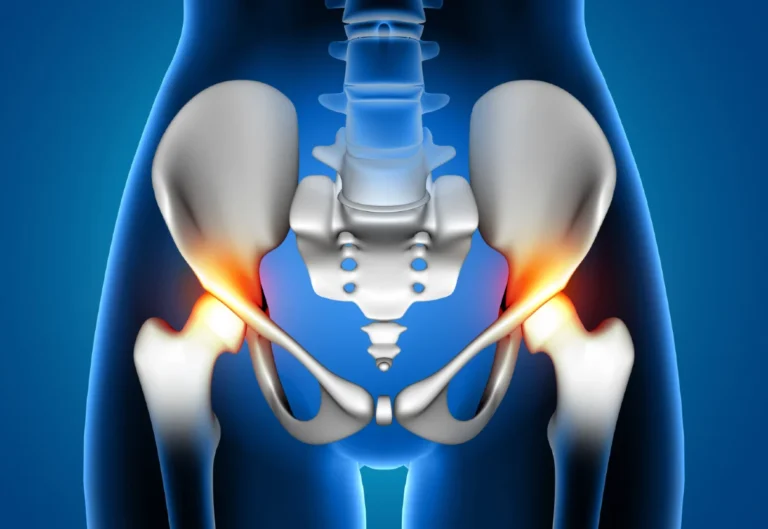
Hip pain may result from osteoarthritis, tendinopathy, bursitis, or problems affecting the surrounding muscles and tendons. Pain from the hip joint is often felt in the groin, but it can also radiate to the thigh or buttock.
Experiencing hip pain? Learn more about its common causes and treatment options in our guide to hip pain.
Shoulder Pain
Shoulder pain is frequently related to rotator cuff problems, bursitis, adhesive capsulitis, or osteoarthritis. Because many structures are located around the shoulder joint, pain does not always originate from the joint itself.
Shoulder pain can have many causes. Learn about the 8 most common causes of shoulder pain and how they are treated.
Hand and Finger Joint Pain
Pain in the hands and fingers can be caused by osteoarthritis, rheumatoid arthritis, gout, or previous injuries. The distribution of affected joints can provide useful clues—for example, rheumatoid arthritis often affects several small joints symmetrically.
Ankle and Foot Pain
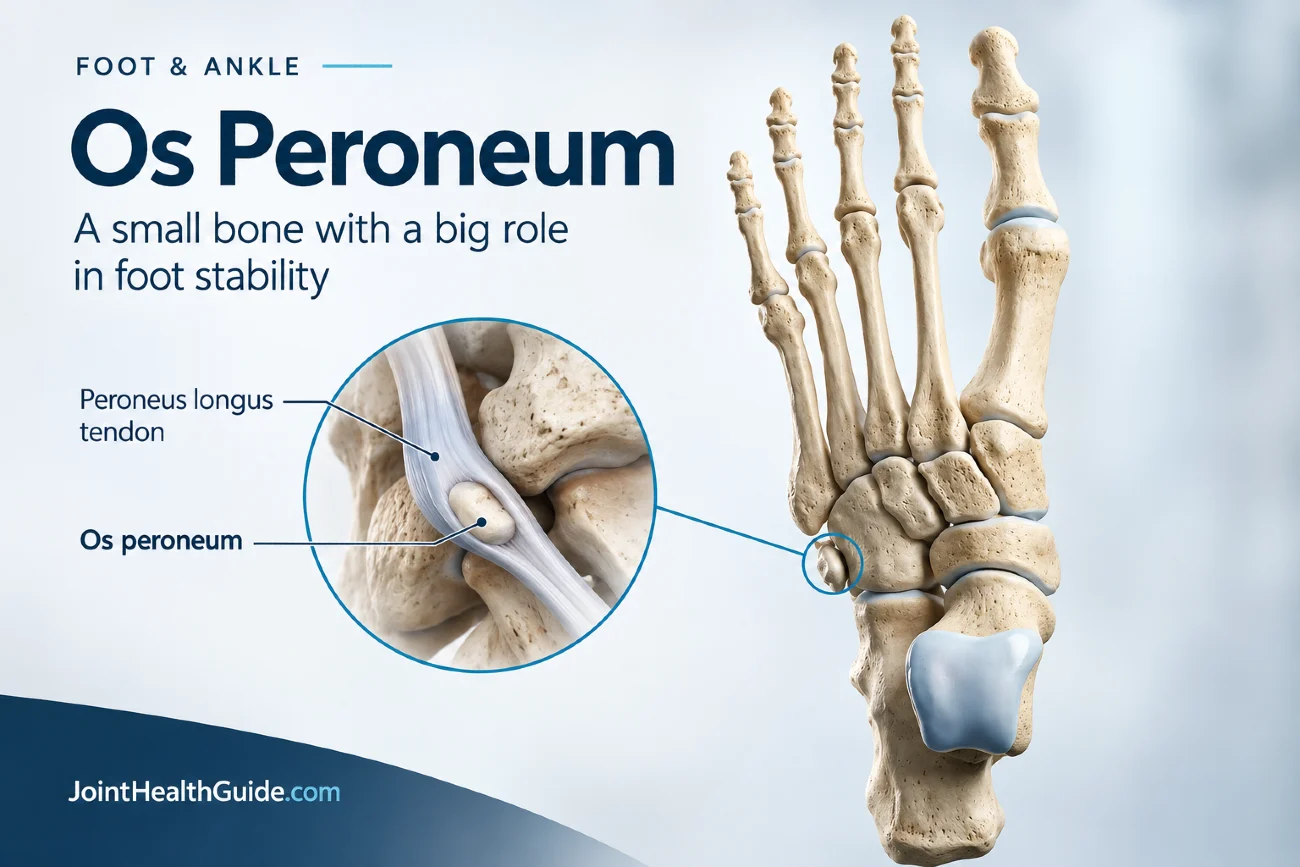
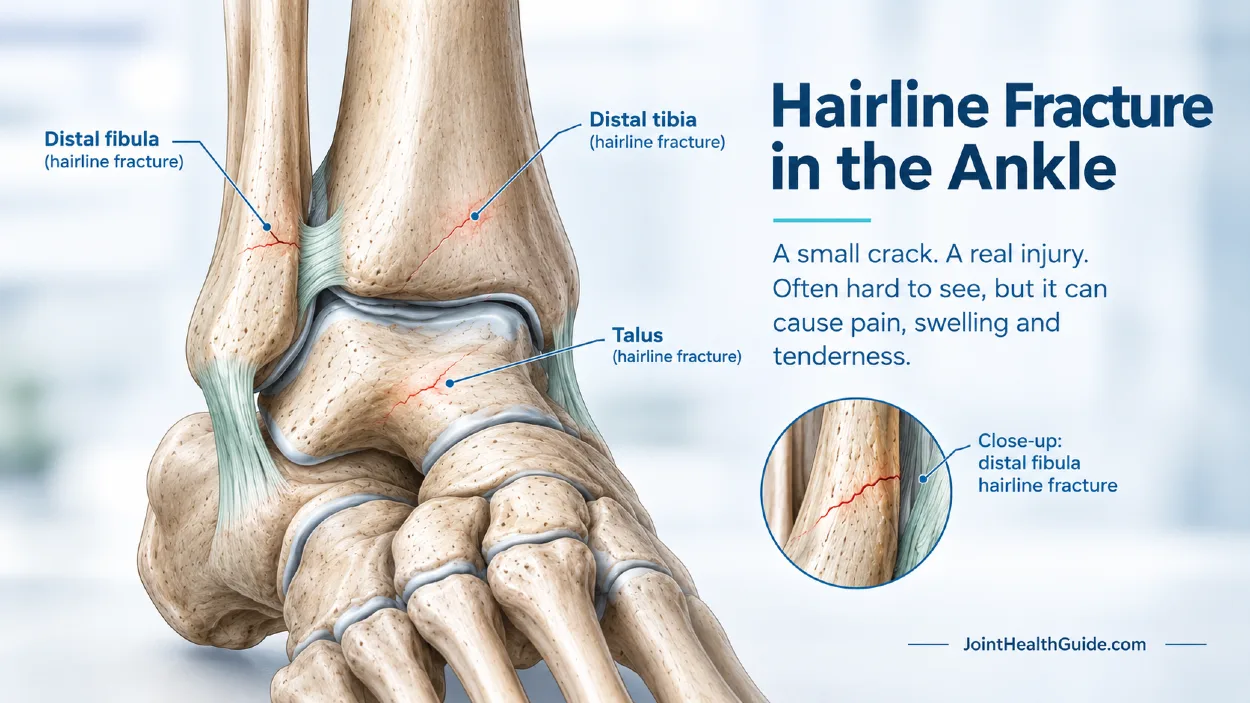
Ankle and foot pain may develop after an injury, due to osteoarthritis, gout, overuse, or problems involving the tendons and other soft tissues. Sudden severe pain with swelling and redness, particularly in the big toe, may indicate an acute gout attack.
Foot pain can have many different causes. Explore the 33 most common causes of foot pain and how to recognize them.
Multiple Joint Pain
When multiple joints hurt at the same time, the possible causes include inflammatory arthritis, viral infections, autoimmune diseases, and some systemic conditions. The presence of prolonged morning stiffness, swelling, fever, rash, or fatigue can help distinguish systemic causes from mechanical joint problems.
Quick Overview – Arthralgia (Joint Pain)
- Arthralgia is the medical term for joint pain and is a symptom rather than a specific disease.
- Common causes include osteoarthritis, joint injuries, overuse, gout, rheumatoid arthritis, infections, and other inflammatory or systemic conditions.
- Symptoms such as swelling, warmth, redness, stiffness, or prolonged morning stiffness can provide clues about the underlying cause.
- Arthralgia does not necessarily mean arthritis—joint pain can occur without significant inflammation.
- Diagnosis is based on the medical history and physical examination, with blood tests and imaging such as X-ray, ultrasound, or MRI used when indicated.
- Treatment depends on the underlying cause and may include exercise, physical therapy, activity modification, medications, injections, or surgery in selected cases.
- Sudden severe joint pain, a hot or swollen joint, fever, or inability to bear weight may require prompt medical evaluation.
Frequently Asked Questions About Arthralgia
Can Arthralgia Occur Without Inflammation?
Yes. Arthralgia simply means joint pain and does not necessarily indicate inflammation. Conditions such as osteoarthritis, overuse, or a previous injury can cause joint pain without significant inflammation.
What Does Arthralgia Mean?
Arthralgia is the medical term for pain in a joint. It is a symptom rather than a specific disease and can have many different causes.
Is Arthralgia the Same as Arthritis?
No. Arthralgia refers specifically to joint pain, while arthritis describes a group of conditions that affect the joints and often involve inflammation or structural changes. A person can have arthralgia without having arthritis.
What Is the Most Common Cause of Arthralgia?
The most common cause depends on age and the joints affected, but osteoarthritis is one of the leading causes of chronic arthralgia, particularly in older adults. Injuries, overuse, and inflammatory conditions are other common causes.
Can Arthralgia Go Away on Its Own?
Yes, depending on the cause. Joint pain caused by minor injuries, overuse, or some infections may improve as the underlying problem resolves. Persistent or worsening pain should be evaluated to determine the cause.
What Causes Pain in Multiple Joints?
Pain affecting several joints can be caused by inflammatory arthritis, viral infections, autoimmune diseases, or other systemic conditions. The presence of swelling, prolonged morning stiffness, fever, rash, or fatigue can provide additional clues.
When Is Joint Pain a Sign of Something Serious?
Seek medical attention for sudden severe pain, a hot and swollen joint, fever, inability to bear weight, or significant trauma. Persistent or progressively worsening joint pain should also be evaluated, particularly when accompanied by unexplained systemic symptoms.
Merck Manual Professional Edition. Evaluation of the Patient With Joint Symptoms. Clinical reference: Evaluation and diagnosis of joint symptoms
Merck Manual Professional Edition. Pain in and Around a Single Joint. Clinical reference: Causes and evaluation of pain in a single joint
Merck Manual Professional Edition. Pain in Multiple Joints. Clinical reference: Evaluation of multiple joint pain
NICE (National Institute for Health and Care Excellence). Osteoarthritis in Over 16s: Diagnosis and Management (NG226). NICE guideline: Osteoarthritis diagnosis and management
FitzGerald JD et al. 2020 American College of Rheumatology Guideline for the Management of Gout. Arthritis Care & Research. 2020;72(6):744–760. ACR guideline: Diagnosis and management of gout
Fraenkel L et al. 2021 American College of Rheumatology Guideline for the Treatment of Rheumatoid Arthritis. Arthritis Care & Research. 2021;73(7):924–939. ACR guideline: Treatment of rheumatoid arthritis
Smolen JS et al. EULAR recommendations for the management of rheumatoid arthritis with synthetic and biologic DMARDs: 2025 update. Annals of the Rheumatic Diseases. 2026. EULAR recommendations: Current management of rheumatoid arthritis
Ravn C et al. Guideline for management of septic arthritis in native joints (SANJO). Journal of Bone and Joint Infection. 2023;8:29–37. Clinical guideline: Diagnosis and management of septic arthritis