Fibromyalgia in men often hides behind “normal tiredness,” stress, or muscle strain. Many men push through the symptoms for years — until the pain becomes sharper, the fatigue heavier, and daily tasks unexpectedly harder.
Men describe sudden stabbing pain, mornings that start with exhaustion, and a growing sensitivity to noise, heat, cold, or strong smells. Small changes in memory, focus, or mood follow quietly in the background. Because fibromyalgia is still seen as a “women’s condition,” these signs are often dismissed or misunderstood.
Recognizing how fibromyalgia shows up in men is the key to catching it earlier. Below is a clear look at the symptoms men experience most — and why their pattern often stands out.
Quick Overview – Symptoms of Fibromyalgia in Men
- Fibromyalgia in men is underdiagnosed; real prevalence is higher than the reported 2.4% (vs. 3.9–4.0% in women).
- Men often present later and with more severe, axial, and fluctuating pain — including stabbing or “heart‑attack‑like” sensations.
- Severe fatigue, morning exhaustion, and post‑exertional flares are key disabling symptoms.
- Sleep issues such as insomnia, panic awakenings, and sleep apnea further worsen pain and fatigue.
- Fibro fog is common: forgetfulness and slowed thinking (“You forget what you were going to say”).
- Men may show stronger hypersensitivity (noise, temperature, chemicals) and greater functional decline.
- Opioid side effects and risky substance use appear in long‑term uncontrolled cases (“I’m hooked on opioids”).
- Early medical evaluation is crucial because men often arrive with more advanced symptoms and heavier psychosocial burden.
Can Men Get Fibromyalgia?
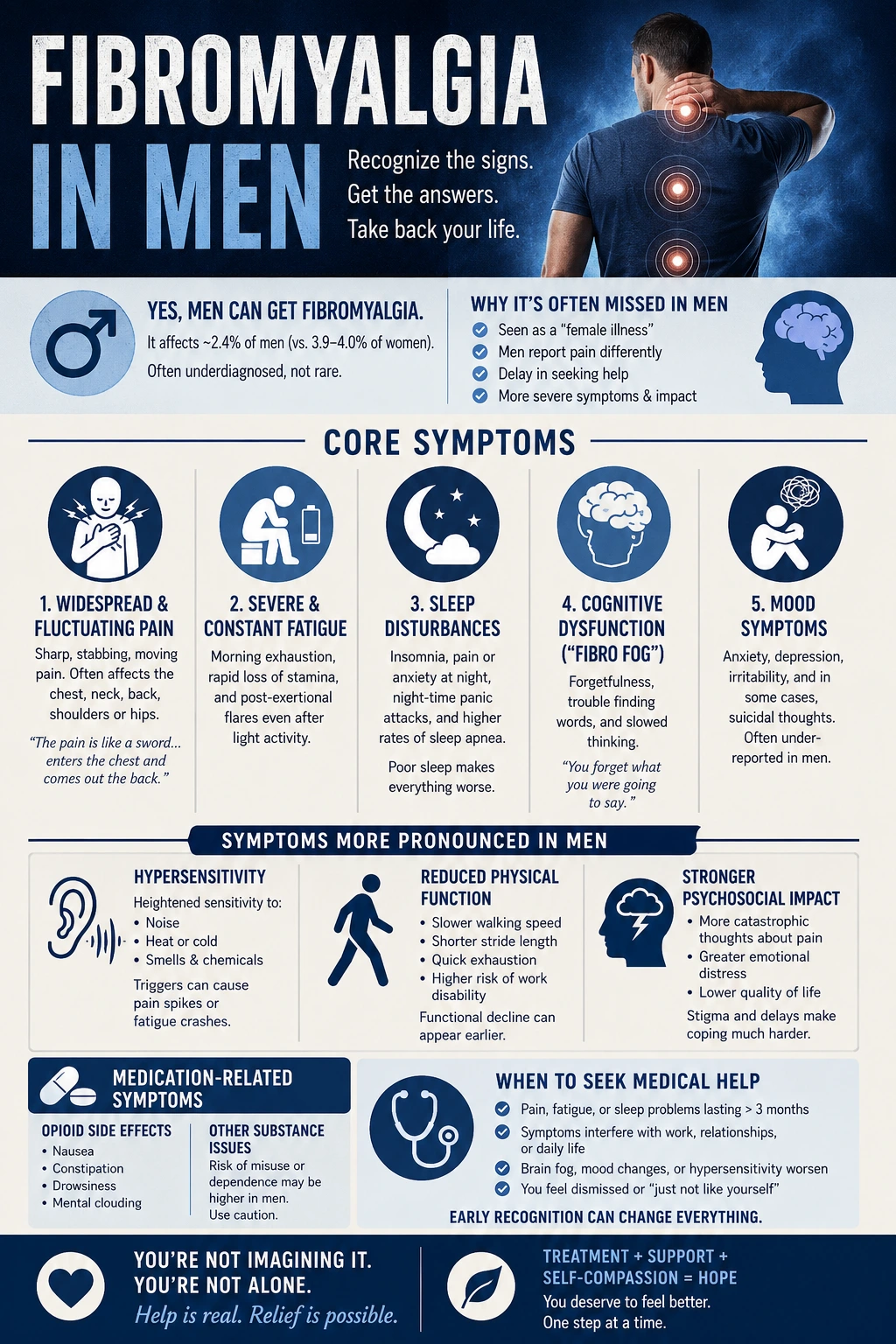
Yes — men can get fibromyalgia. Fibromyalgia is less frequently diagnosed in men, but it is not rare. Large epidemiological studies show that fibromyalgia affects approximately 2.4% of men, compared with 3.9–4.0% of women.
Several authors emphasize that the lower male prevalence is likely due to underdiagnosis, not true biological rarity. As one review notes, men’s symptoms are “much less likely to be identified and diagnosed,” largely because fibromyalgia is still perceived as a “female illness.”
In clinical samples, men typically represent 10–20% of diagnosed cases, but research suggests the real number is higher.
For a full overview of fibromyalgia, including causes, diagnosis, and evidence‑based treatment options, visit our main guide here: Fibromyalgia (FMS) – Complete Guide.
Why Fibromyalgia Looks Different in Men
Fibromyalgia often presents differently in men, and these differences can delay diagnosis. Men show a lower diagnosed prevalence, yet studies consistently report more severe symptoms and a greater functional impact once the condition is recognized. Social stigma plays a major role — fibromyalgia is still viewed as a “female illness,” which leads many men to minimize symptoms or avoid seeking help.
Men also tend to report pain less frequently, describe it differently, and wait longer before discussing fatigue, sleep problems, or cognitive changes. Hormonal and neurobiological factors may contribute as well: testosterone influences pain modulation, and men show distinct patterns of central pain processing.
Several studies also note that men experience more catastrophic thoughts about pain, which can intensify symptom perception and reduce coping capacity.
These factors combined create a clinical picture that is often later recognized, more advanced, and more disruptive than in women.
Core Symptoms of Fibromyalgia in Men
1. Widespread and Fluctuating Pain
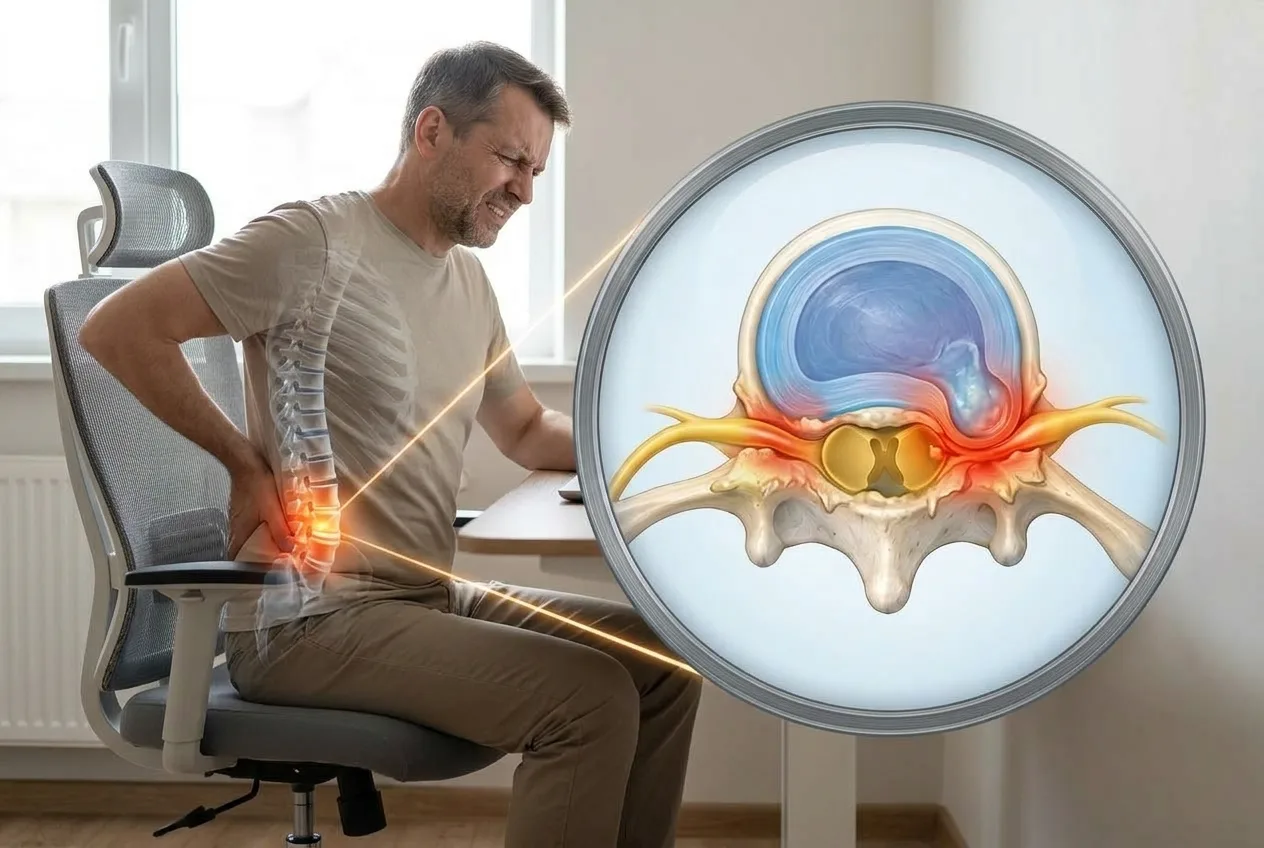
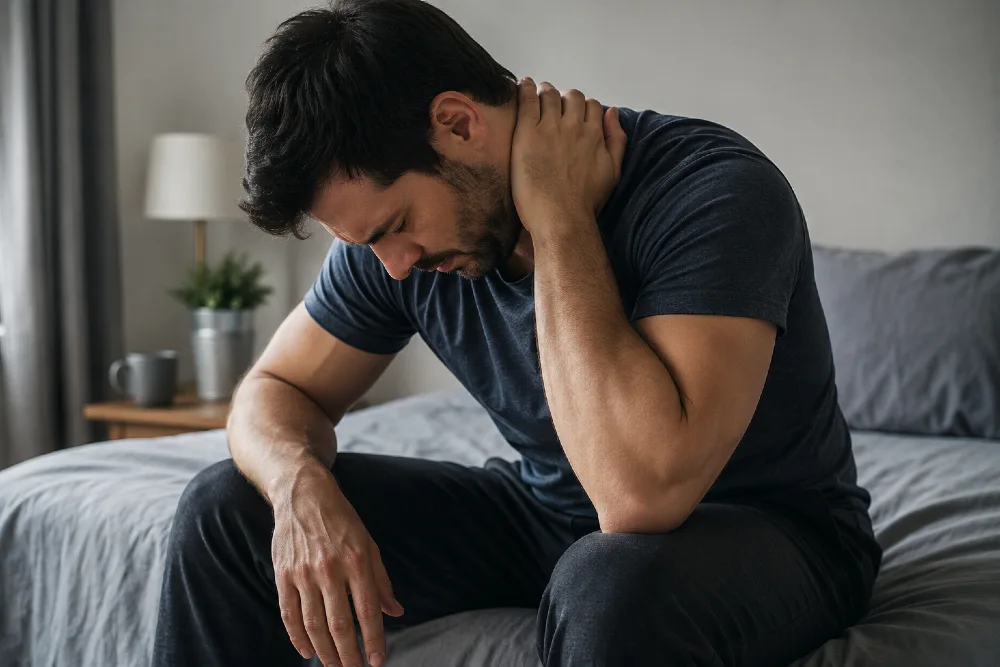
Men often describe pain that is sharp, shifting, and unexpectedly intense. Unlike the classic “hurt all over” pattern seen in many women, men frequently report localized and axial pain affecting the chest, neck, and lower back. Common descriptions include:
- stabbing, “heart‑attack‑like” pain
- pain that moves from one area to another
- axial pain in the chest, spine, shoulders, or hips
As one patient explained:
“The pain is like a sword… enters the chest and comes out the back.”
2. Severe and Constant Fatigue
Fatigue is one of the most disabling symptoms for men. It is often constant, unpredictable, and resistant to rest.
Men commonly report:
- morning exhaustion (“you wake up tired”)
- rapid loss of stamina
- post‑exertional flares after even light activity
This fatigue often forces men to ration energy throughout the day.
3. Sleep Disturbances
Sleep problems are highly prevalent in men with fibromyalgia and often worsen other symptoms.
Typical patterns include:
- insomnia triggered by pain or anxiety
- night‑time panic attacks
- higher rates of sleep apnea
Poor sleep amplifies pain, fatigue, and irritability.
4. Cognitive Dysfunction (“Fibro Fog”)
Men frequently experience cognitive slowing that affects work performance and daily functioning.
Common complaints include:
- forgetfulness
- difficulty expressing thoughts
- slowed processing speed
As one man described:
“You forget what you were going to say.”
5. Mood Symptoms
Mood changes in men are often tied to years of unexplained symptoms and delayed diagnosis.
Patterns include:
- anxiety related to long diagnostic uncertainty
- depression secondary to chronic pain
- suicidal thoughts (reported in qualitative studies)
These symptoms are often under‑reported due to stigma around emotional expression.
If you want a clear, patient‑friendly breakdown of every core and associated symptom of fibromyalgia, explore our full symptom guide here: Symptoms of Fibromyalgia – What It Feels Like.
Symptoms of Fibromyalgia More Pronounced in Men
Hypersensitivity
Men often show strong sensory hypersensitivity, sometimes more intense than in women.
Types include:
- auditory sensitivity (“piercing eardrums”)
- thermal sensitivity (poor tolerance to heat or cold)
- chemical sensitivity (perfumes, cleaning agents, aerosols)
These triggers can provoke pain spikes or fatigue crashes.
Reduced Physical Function
Studies show that men with fibromyalgia may experience greater functional decline.
Common findings:
- slower walking speed
- shorter stride length
- quicker exhaustion during activity
- higher rates of work disability
This reduced capacity often appears earlier than expected for their age.
Stronger Psychosocial Impact
The psychosocial burden of fibromyalgia can be particularly heavy for men.
Frequent themes include:
- a sense of lost strength or masculinity
- frustration due to disbelief from others
- social withdrawal and stigma
- difficulty expressing vulnerability
These factors contribute to delayed diagnosis and greater emotional strain.
Medication‑Related Symptoms in Men
Opioid Side Effects
Men with fibromyalgia often receive stronger pain medications, including opioids, especially when their symptoms remain uncontrolled for years. While these drugs may offer temporary relief, they frequently create additional problems that can worsen daily functioning.
Common opioid‑related symptoms in men include:
- drowsiness and cognitive slowing — reduced alertness, slower thinking, and difficulty concentrating
- dependence and withdrawal cycles — as one participant stated, “I’m hooked on opioids”
- loss of functional capacity — medications make it harder to drive, work, or manage daily tasks
These effects often accumulate over time, leaving men feeling sedated, disconnected, or unable to maintain normal routines. Many report that opioids “mask the pain” but do not improve overall quality of life, and in some cases make it worse.
Other Substance‑Related Issues in Men With Fibromyalgia
Beyond prescribed medications, some men turn to non‑approved substances in an attempt to manage severe pain, anxiety, or insomnia. This pattern appears in qualitative data, where men describe mixing medications with alcohol or relying on substances not intended for fibromyalgia relief. These behaviors often develop after years of uncontrolled symptoms and limited treatment success.
Common patterns include:
- combining opioids with alcohol, which several participants described as dangerous and unpredictable
- using sedating substances to force sleep after nights of pain or panic
- self‑medicating during severe flares when prescribed treatments feel ineffective
As one participant noted:
“If you drink any alcohol with these drugs, then you’ve really messed up.”
These behaviors increase the risk of respiratory depression, cognitive impairment, and dependence, and they often worsen overall functioning. They also reflect the broader challenge men face: long diagnostic delays, severe symptoms, and limited support can push some toward unsafe coping strategies.
For readers, it’s important to emphasize that any concerns about substance use should be discussed with a healthcare professional. Safer, evidence‑based options exist, and early support can prevent escalation.
When to Seek Medical Help
Men often wait longer before seeking medical care for chronic pain, fatigue, or sleep problems — but early evaluation can prevent years of worsening symptoms. Medical attention is especially important when symptoms become persistent, progressive, or begin to interfere with daily function.
You should seek medical help if you experience:
- widespread or fluctuating pain that lasts longer than three months
- sharp chest pain or axial pain that feels unusual or alarming
- severe morning fatigue that does not improve with rest
- sleep disturbances, including insomnia, panic awakenings, or suspected sleep apnea
- cognitive changes, such as forgetfulness or difficulty expressing thoughts
- mood symptoms, including anxiety, low mood, or thoughts of self‑harm
- increasing sensitivity to noise, temperature, or smells
- reliance on strong medications, including opioids or non‑prescribed substances, to get through the day
Because men often present with more intense fatigue, stronger axial pain, and greater functional decline than women, earlier assessment can help clarify the diagnosis and rule out other conditions with similar symptoms.
If any of these issues are present, a healthcare professional can help evaluate the symptoms, provide appropriate testing, and discuss safe, evidence‑based treatment options.
Conclusion
Fibromyalgia in men is real, under‑recognized, and often more disruptive than expected. Although women show higher pain sensitivity and higher WPI scores, men frequently experience a heavier overall impact once the condition is diagnosed. Their symptoms tend to be sharper, more axial, and more fluctuating, with pronounced fatigue, sleep problems, and sensory hypersensitivity.
Men also face unique challenges: delayed diagnosis, stigma, difficulty expressing symptoms, and a higher likelihood of turning to strong medications or unsafe coping strategies.
Understanding these differences matters. Recognizing how fibromyalgia presents specifically in men allows for earlier identification, more accurate assessment, and better long‑term management. With the right support, men can regain stability, reduce symptom burden, and rebuild daily function.
Frequently Asked Questions (FAQ)
1. Can Men Get Fibromyalgia?
Yes. Fibromyalgia affects about 2.4% of men, compared with 3.9–4.0% of women. The lower male rate reflects underdiagnosis, not rarity.
2. Are Symptoms Different in Men Than in Women?
Often yes. Men tend to have sharper axial pain, stronger fatigue, more hypersensitivity, and greater functional decline, while women typically show higher pain sensitivity and higher WPI scores.
3. Why Is Fibromyalgia Diagnosed Later in Men?
Stigma plays a major role. Fibromyalgia is still viewed as a “female illness,” leading men to minimize symptoms, delay care, and under‑report pain.
4. What Does Fibromyalgia Pain Feel Like in Men?
Men often describe stabbing, shifting, or “heart‑attack‑like” pain. One patient said:
“The pain is like a sword… enters the chest and comes out the back.”
5. Do Men Experience Fibro Fog?
Yes. Men report forgetfulness, slowed thinking, and difficulty expressing thoughts. As one man said:
“You forget what you were going to say.”
6. Are Mood Symptoms Common in Men With Fibromyalgia?
Very common. Anxiety, depression, and even suicidal thoughts can appear after years of unexplained symptoms and delayed diagnosis.
7. Do Men Have More Hypersensitivity Than Women?
Studies suggest men may show stronger sensory hypersensitivity, including noise, temperature, and chemical triggers.
8. Why Do Some Men Use Opioids or Other Substances?
Long‑term uncontrolled symptoms can push men toward opioids or non‑approved substances. This often leads to drowsiness, dependence, and reduced function. As one participant warned:
“If you drink any alcohol with these drugs, then you’ve really messed up.”
9. When Should Men Seek Medical Help?
If pain lasts longer than three months, fatigue worsens, sleep becomes disrupted, or mood changes appear, men should seek evaluation — especially because they often present with more advanced symptoms.
10. Can Fibromyalgia in Men Improve With Treatment?
Yes. With early diagnosis, lifestyle changes, and evidence‑based management, men can reduce symptoms, improve function, and regain stability.
Yunus MB, Inanici F, Aldag JC, Mangold RF. Fibromyalgia in men: comparison of clinical features with women. J Rheumatol. 2000 Feb;27(2):485-490. PubMed: Clinical comparison of fibromyalgia symptoms in men and women
Buskila D, Neumann L, Alhoashle A, Abu-Shakra M. Fibromyalgia syndrome in men. Semin Arthritis Rheum. 2000 Aug;30(1):47-51. Clinical review: Fibromyalgia syndrome characteristics in male patients
Bannon L, Shlezinger O, Berman M, Mangel L, Ablin JN, Aloush V. Regarding the pain of men: characteristics of fibromyalgia in male patients. Clin Exp Rheumatol. 2025 Jun;43(6):1049-1053. Recent clinical study: Symptom profile and pain characteristics in men with fibromyalgia
Ruschak I, Montesó-Curto P, Rosselló L, Aguilar Martín C, Sánchez-Montesó L, Toussaint L. Fibromyalgia Syndrome Pain in Men and Women: A Scoping Review. Healthcare (Basel). 2023;11(2):223. Scoping review: Sex differences in fibromyalgia pain and symptom presentation
Ruschak I, Toussaint L, Rosselló L, Aguilar Martín C, Fernández-Sáez J, Montesó-Curto P. Symptomatology of Fibromyalgia Syndrome in Men: A Mixed-Method Pilot Study. Int J Environ Res Public Health. 2022;19(3):1724. Pilot study: Symptom patterns and lived experiences of men with fibromyalgia