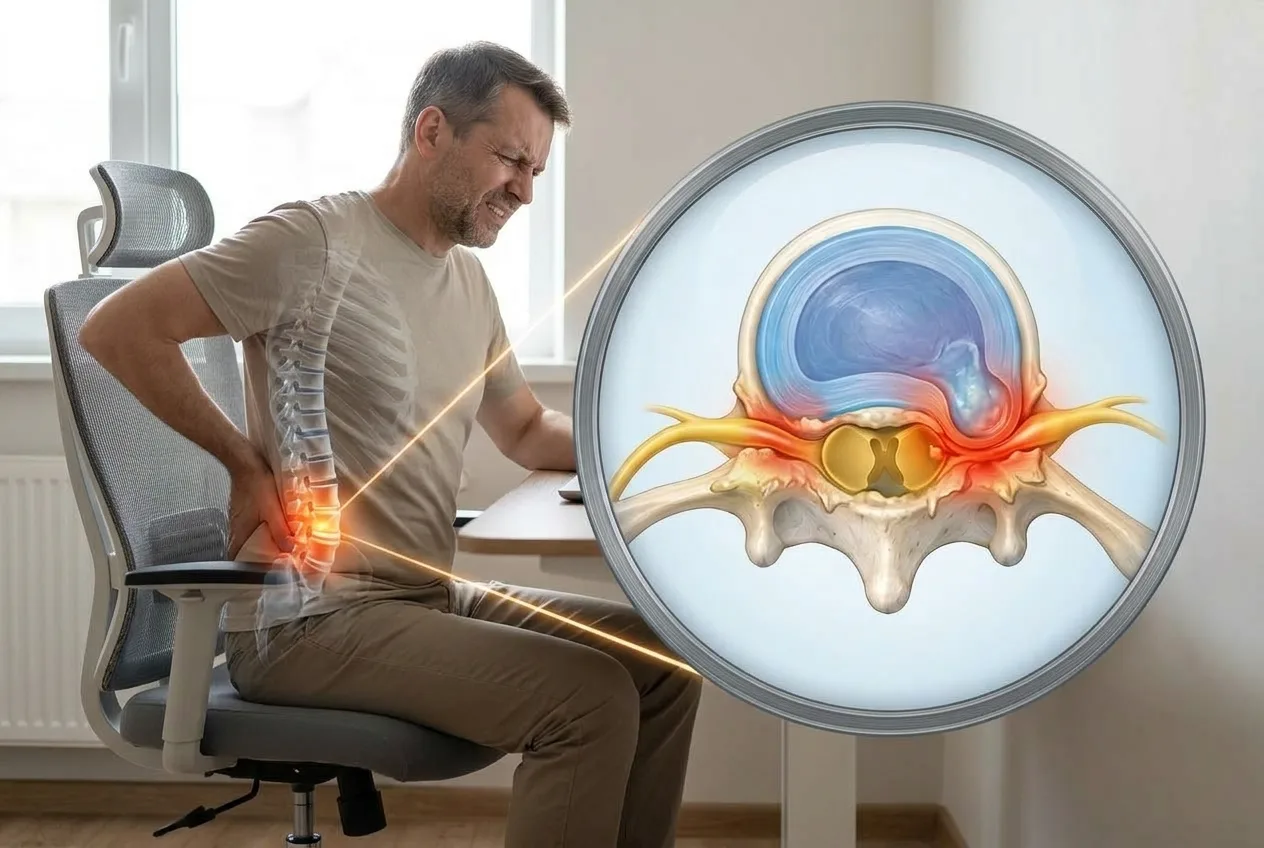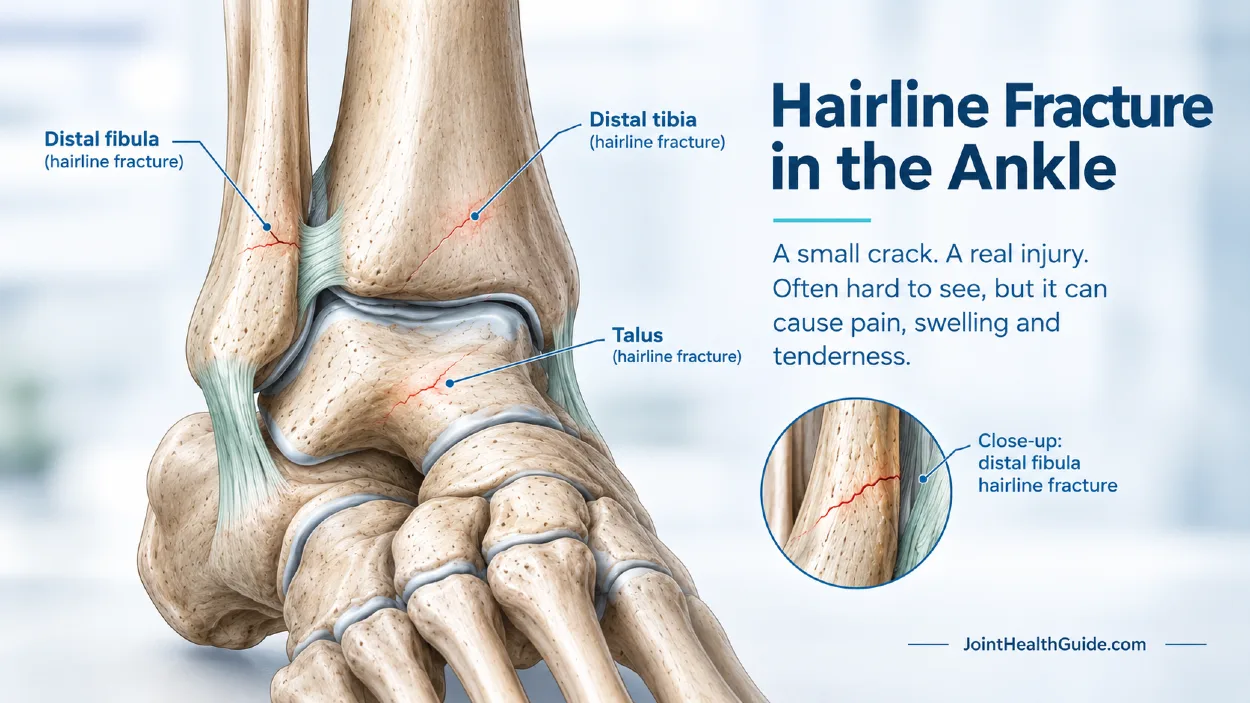

Shoulder and arm pain can develop for several different reasons. In many cases, the pain originates in the shoulder itself and radiates down into the upper arm. This is commonly seen in conditions affecting the rotator cuff, shoulder tendons, or surrounding soft tissues. In other cases, the symptoms may be caused by nerve compression anywhere along the pathway from the cervical spine to the arm.
However, shoulder and arm pain is not always caused by a shoulder problem. Certain medical conditions unrelated to the shoulder — including heart-related conditions such as angina or heart attack, as well as gallbladder disease — may also cause pain that radiates into the shoulder or arm.
In this article, we explain the most common causes of shoulder and arm pain symptoms, how to distinguish between them, and when it is important to seek medical attention.
Key Clinical Points – Shoulder and Arm Pain
- Shoulder and arm pain can originate from the shoulder itself, nerve-related conditions, muscle dysfunction, or referred pain from internal organs.
- The most common causes include rotator cuff disorders (tendinitis, impingement, tears), cervical radiculopathy, and myofascial pain syndrome.
- Nerve-related pain often presents as burning, shooting pain with tingling, numbness, or weakness radiating into the arm or hand.
- Shoulder pathology typically worsens with movement and may be associated with night pain and restricted range of motion.
- Referred pain from conditions such as cardiac disease or gallbladder pathology should always be considered in atypical presentations.
- Accurate diagnosis requires clinical examination supported by targeted imaging and functional tests such as ultrasound, MRI, or EMG.
Why Does Shoulder and Arm Pain Occur?
In the human body, it is quite common for a problem in one area — such as the shoulder — to cause pain that is felt somewhere else, including the arm. This phenomenon is known as referred pain. It occurs because the brain does not always accurately identify the exact source of pain, especially when different body regions share similar nerve pathways.
For example, irritation of the shoulder tendons or inflammation of the bursa may cause pain that radiates down the upper arm or toward the elbow. However, shoulder disorders are not the only possible cause of shoulder and arm pain. Problems involving the cervical spine may also produce similar symptoms. Pain originating from the joints of the neck due to cervical spondylosis can spread toward the shoulder, although it rarely extends much lower than that level.
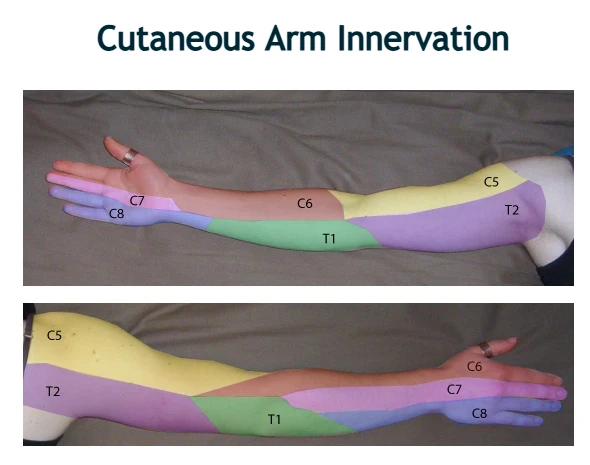
In addition, compression or irritation of a cervical nerve root may lead to burning pain, tingling, numbness, or weakness in the upper arm, forearm, or hand, even though the actual problem originates in the neck rather than in the arm itself.
In the following section, we will discuss the most common causes of shoulder and arm pain symptoms in more detail.
What Can Cause Shoulder and Arm Pain?
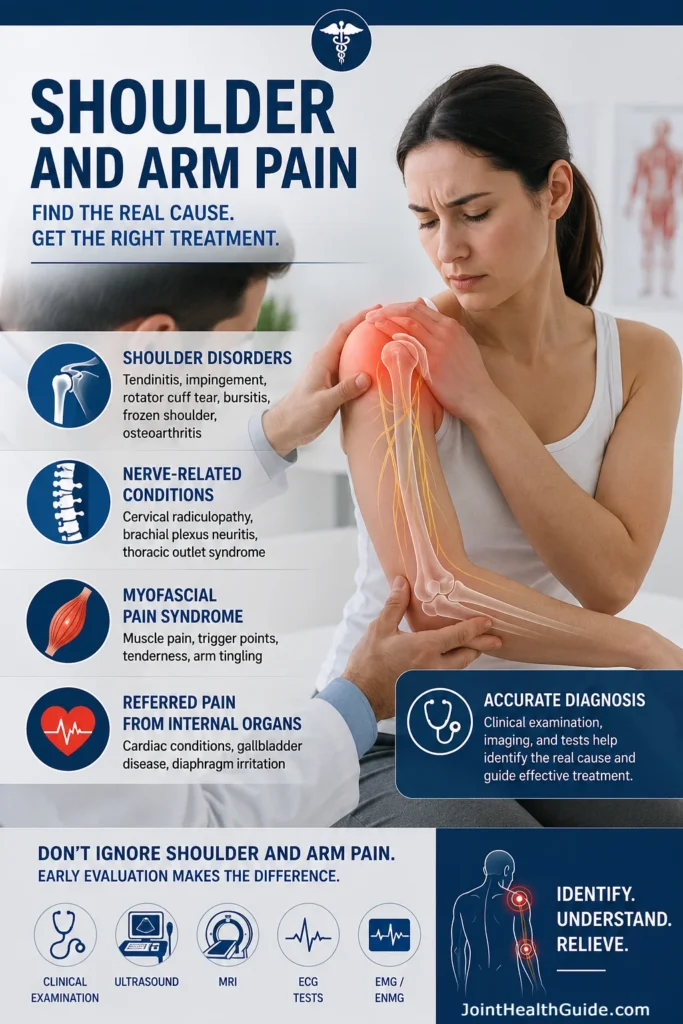
Broadly speaking, the causes of shoulder and arm pain can be divided into several major categories:
Common Causes of Shoulder and Arm Pain
- Shoulder and arm pain caused by shoulder disorders
- Shoulder and arm pain caused by nerve compression or nerve injury
- Shoulder and arm pain related to myofascial pain syndrome
- Referred pain from internal organs, including heart-related conditions
In the following sections, we will explain each of these causes in more detail, including why the pain develops and how to recognize the typical symptoms associated with each condition.
Shoulder and Arm Pain Caused by Shoulder Disorders
Pain caused by shoulder disorders typically starts in the shoulder and radiates down the front or outer side of the upper arm toward the elbow. This occurs because the same nerves responsible for sensation from the affected shoulder structures — such as tendons, bursae, or cartilage — also supply sensation to parts of the upper arm. This phenomenon is known as referred pain.
In most cases, the pain becomes worse with shoulder movement and improves with rest. Some people also experience shoulder pain at night, especially when lying on the affected side. Less commonly, the pain may persist even at rest, which is more typical of conditions such as acute calcific tendinitis or frozen shoulder.
Shoulder pain that radiates into the arm toward the elbow is most commonly associated with:
- Rotator cuff tendinitis or shoulder tendon inflammation
- Shoulder impingement syndrome
- Rotator cuff tear
- Shoulder bursitis
- Frozen shoulder (adhesive capsulitis)
- Shoulder osteoarthritis and inflammatory arthritis
- Calcific tendinitis of the shoulder
To learn more about shoulder-related causes of shoulder and arm pain — including rotator cuff tendinitis, impingement syndrome, frozen shoulder, bursitis, and calcific tendinitis — read our detailed guide: Shoulder Pain: 8 Most Common Causes.
Related Guides


Shoulder and Arm Pain Caused by Nerve-Related Conditions
The nerves that originate from the cervical spine form a complex network called the brachial plexus. From this network arise the main nerves responsible for movement and sensation in the shoulder, arm, and hand. Any irritation, compression, or damage to these nerves along their pathway — either in the neck or near the shoulder — can lead to pain that is felt simultaneously in the shoulder and arm.
Nerve-related pain is often described as sharp, shooting, or electric-like pain that may start in the neck and radiate into the shoulder, arm, and even the fingers. Depending on the affected nerve, symptoms may also include numbness, tingling, pins-and-needles sensations, or muscle weakness.
Common conditions that cause nerve-related shoulder and arm pain include:
Cervical radiculopathy
Cervical radiculopathy occurs when a nerve root in the cervical spine becomes compressed or irritated. The most common causes are a herniated disc or bone spurs (osteophytes) related to degenerative changes in the spine. The pain is typically sharp, burning, and intense. It is often constant and may worsen with certain neck movements rather than arm activity.
Depending on which nerve is affected, pain may be felt in the shoulder, upper arm, forearm, or hand, sometimes affecting the entire limb. Numbness, tingling, and sensory changes are common, and in more severe cases, muscle weakness may develop.
For a closer look at how a pinched nerve in the neck can cause tingling, numbness, and pain in the arm or hand, read our guide to cervical radiculopathy, including its common causes, symptoms, diagnosis, and treatment options.
Brachial plexus neuritis
Brachial neuritis is a condition characterized by inflammation or injury of the brachial plexus. The main symptom is severe shoulder and upper arm pain, which may radiate down toward the hand and fingers. This is often accompanied by weakness, numbness, and tingling extending from the neck and shoulder into the arm. The exact cause is often unclear, but proper diagnosis is important for symptom relief and recovery.
Thoracic outlet syndrome
As the brachial plexus travels from the neck toward the arm, it passes through a narrow space between the first rib and the clavicle, known as the thoracic outlet. Blood vessels also pass through this area. If this space becomes narrowed, it can compress either the nerves or blood vessels, leading to thoracic outlet syndrome.
Symptoms are often triggered or worsened by overhead arm movements. Pain, tingling, or numbness may increase after physical activity, during sleep, or toward the end of the day. Sensory changes are commonly felt in the ring finger and little finger, along with possible weakness in the hand or arm.
Shoulder and Arm Pain Caused by Myofascial Pain Syndrome
Myofascial pain syndrome of the neck and upper back is characterized by pain and tenderness in the muscles and fascia of these regions, often accompanied by the presence of trigger points. In simple terms, it is pain that originates from muscles and their connective tissue (fascia).
The condition most commonly develops due to muscle overuse, repetitive strain, injury, stress, poor posture, physical inactivity, or sleeping in an awkward position. Trigger points are localized, hyperirritable spots within a muscle or fascia that can cause both local pain and referred pain to other parts of the body, including the shoulder and arm.
These trigger points may also produce sensations such as burning, tingling, or numbness in the arm, often closely mimicking symptoms of nerve-related disorders.
Shoulder and Arm Pain Not Caused by Shoulder Problems (Referred Pain from Internal Conditions)
Not all shoulder and arm pain originates from the musculoskeletal system. In some cases, the pain is referred from internal organs, meaning the source of the problem is located elsewhere in the body, but the brain perceives pain in the shoulder or arm due to shared nerve pathways.
One of the most important causes to consider is cardiac disease. Conditions such as angina or a heart attack can cause pain that radiates to the left shoulder, arm, neck, or jaw. This type of pain is often described as pressure-like, heavy, or squeezing and may be associated with symptoms such as shortness of breath, sweating, nausea, or fatigue.
Any suspicion of cardiac-related pain requires urgent medical evaluation!
Another important source of referred pain is the gallbladder, particularly in cases of gallstones or cholecystitis. Gallbladder pain is typically felt in the upper right abdomen but can also radiate to the right shoulder or upper back due to irritation of the diaphragm and shared nerve pathways (notably the phrenic nerve).
Less commonly, shoulder and arm pain can be associated with lung apex pathology, such as a Pancoast tumor. This type of lung cancer develops at the top of the lung and can affect nearby nerves, leading to persistent shoulder pain, often accompanied by weakness or sensory changes in the arm and hand.
Other less frequent but important causes include:
- Diaphragmatic irritation (e.g., after abdominal or thoracic conditions)
- Liver or subphrenic infections or abscesses, which may refer pain to the right shoulder
- Herpes zoster (shingles) in the early phase, before the rash appears, which can cause burning or stabbing pain along a nerve distribution in the shoulder or arm
Although these conditions are less common compared to musculoskeletal or nerve-related causes, they are clinically important to recognize, especially when symptoms are atypical, persistent, or associated with systemic signs such as fever, weight loss, or chest discomfort.
Diagnosis: How to Identify the Real Cause?
When it comes to shoulder and arm pain, the first and most important step is a thorough diagnostic evaluation. The goal is to identify the exact underlying cause of symptoms in order to guide appropriate treatment.
1. Clinical examination
The most suitable specialist for this type of problem is a physiatrist, as they integrate knowledge from orthopedics, neurology, and rehabilitation medicine, allowing for a functional and comprehensive approach to diagnosis and treatment.
Based on a detailed medical history and physical examination, the physician will determine whether the pain is of musculoskeletal, neurological, or possibly internal origin. Particular attention is given to the location of pain, movements that provoke symptoms, and the presence of neurological deficits such as weakness, tingling, or numbness.
2. Shoulder ultrasound (US)
Ultrasound is a non-invasive and widely available imaging method that provides detailed information about the condition of tendons, muscles, bursae, and the joint capsule. It can detect conditions such as tendinitis, calcifications, impingement syndrome, bursitis, and tendon tears.
3. MRI of the cervical spine
If there is suspicion that the pain originates from nerve compression in the neck (for example in cases of radicular pain), magnetic resonance imaging can reveal herniated discs, spinal canal narrowing, or degenerative changes that may be compressing nerve roots.
4. Electrocardiogram (ECG) and laboratory tests
When there is suspicion of a cardiac cause (for example, left-sided shoulder and arm pain occurring during physical exertion), it is essential to rule out angina pectoris or myocardial infarction. In such cases, appropriate cardiological evaluation is required.
5. Electroneuromyography (ENMG)
This specialized test evaluates the function of peripheral nerves and muscles. It is useful when there is suspicion of nerve damage, cervical radiculopathy, brachial plexus disorders, or entrapment neuropathies such as carpal tunnel syndrome.
Clinical Insight
Ultrasound is most useful for detecting shoulder soft tissue disorders (tendons, bursae, calcifications), MRI of the cervical spine is indicated when nerve-related causes are suspected, EMNG helps confirm peripheral nerve and radicular pathology, while ECG and laboratory tests are essential to exclude cardiac causes in atypical or exertional pain.
Shoulder and Arm Pain: How to Recognize the Causes (Table Guide)
| Cause Group | Conditions | Common Symptoms | Diagnostics |
|---|---|---|---|
| Shoulder Disorders |
Shoulder tendinitis Impingement syndrome Rotator cuff tear Shoulder bursitis Frozen shoulder Calcific tendinitis Shoulder osteoarthritis |
Shoulder pain radiating into the upper arm Pain worsens with movement Night pain in the shoulder Reduced range of motion |
Clinical examination Shoulder ultrasound (US) X-ray of the shoulder |
| Nerve-Related Conditions |
Cervical radiculopathy Brachial plexus neuritis Thoracic outlet syndrome |
Pain radiating from the neck into the arm and fingers Tingling, burning, numbness Muscle weakness in the arm |
MRI of the cervical spine EMG/ENMG Clinical examination |
| Myofascial Pain Syndrome |
Muscle pain syndromes Trigger points in the neck and shoulders |
Localized muscle pain Tenderness on palpation Arm tingling without clear neurological findings |
Clinical examination Exclusion of neurological causes |
| Cardiac & Referred Pain |
Angina pectoris Myocardial infarction Referred pain from internal organs |
Dull, pressure-like pain in the left shoulder and arm Pain triggered by exertion and radiating from the chest Associated with sweating, nausea, shortness of breath |
ECG Blood tests Cardiology assessment |
Conclusion
Shoulder and arm pain can arise from a wide range of causes, including local shoulder disorders, nerve-related conditions, muscle dysfunction, and referred pain from internal organs. Because different conditions can produce very similar symptoms, a careful clinical evaluation is essential to identify the true underlying cause.
Understanding the pattern of pain, associated symptoms, and triggering factors can provide important diagnostic clues, but imaging and functional tests are often needed to confirm the diagnosis. Early and accurate assessment is key to ensuring appropriate treatment and preventing chronic pain or functional limitations.
Rees JL, Kulkarni R, Rangan A, et al. Shoulder Pain Diagnosis, Treatment and Referral Guidelines for Primary, Community and Intermediate Care. Shoulder & Elbow. Clinical guideline: Diagnosis and management of shoulder pain
Greenberg DL. Evaluation and Treatment of Shoulder Pain. Medical Clinics of North America. Evidence-based review: Clinical evaluation and treatment of shoulder pain
Okwumabua E, Black AC, Thompson JH. Anatomy, Shoulder and Upper Limb, Nerves. StatPearls Publishing. StatPearls review: Nerve anatomy of the shoulder and upper limb
Al Khalili Y, Jain S, Lam JC, et al. Brachial Neuritis. StatPearls Publishing. Clinical review: Brachial neuritis symptoms, diagnosis, and management
Kaplan J, Kanwal A. Thoracic Outlet Syndrome. StatPearls Publishing. StatPearls guide: Thoracic outlet syndrome clinical presentation and diagnosis
Varacallo MA, El Bitar Y, Mair SD. Comprehensive Shoulder Evaluation Strategies. StatPearls Publishing. Clinical guide: Comprehensive physical examination of the shoulder
Linaker CH, Walker-Bone K. Shoulder Disorders and Occupation. Best Practice & Research Clinical Rheumatology. Review article: Occupational risk factors and epidemiology of shoulder disorders