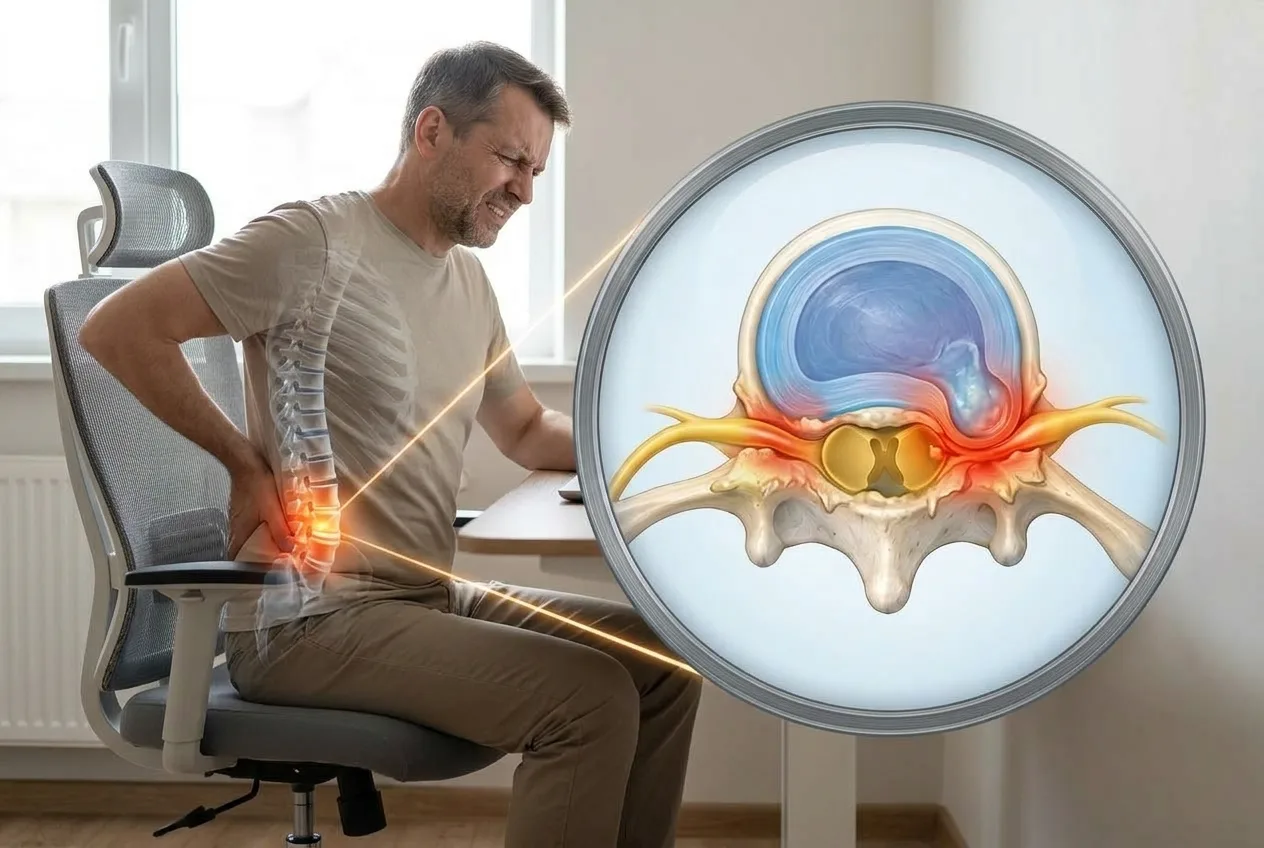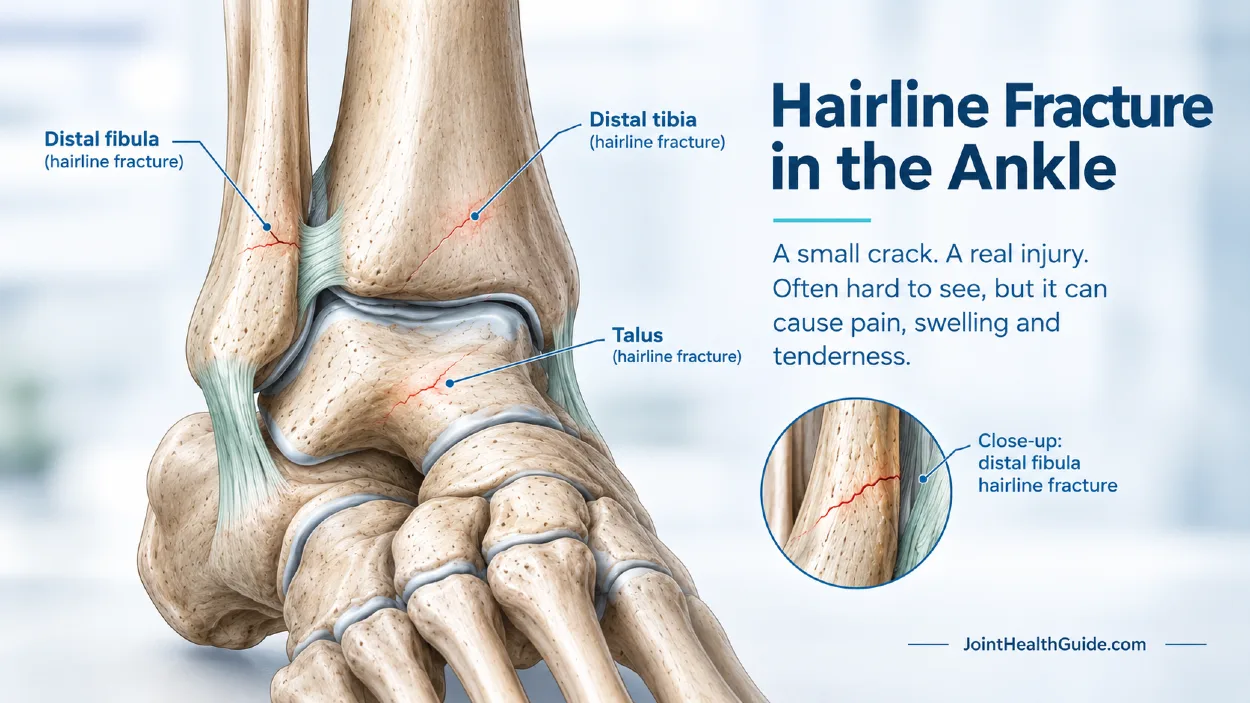

Shoulder pain is very common, especially in people who perform repetitive overhead movements, exercise regularly, or develop shoulder problems with age. When pain appears, many people immediately worry about a rotator cuff injury and start searching for answers about how to tell if you tore your rotator cuff.
The main challenge is that several shoulder conditions can produce very similar symptoms. A simple irritation, rotator cuff tendinitis, bursitis, or muscle strain can all cause pain and limited movement. Because of this overlap, it is often difficult to determine whether the problem is temporary inflammation or a true rotator cuff tear.
Understanding the typical symptoms and warning signs can help you better recognize the difference. While only a proper medical evaluation can confirm the diagnosis, knowing how to tell if you tore your rotator cuff can help you decide when rest and rehabilitation may be enough—and when it may be important to seek professional medical advice.
What Is the Rotator Cuff?
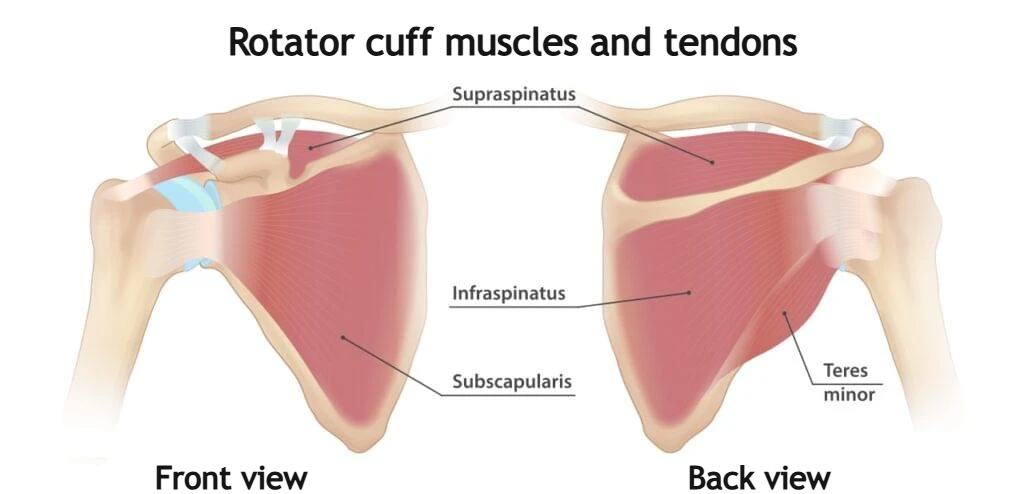
The rotator cuff is a group of four muscles and their tendons that surround the shoulder joint and help stabilize the upper arm in the shoulder socket. These muscles connect the shoulder blade (scapula) to the upper arm bone (humerus) and play a crucial role in controlling shoulder movement.
The four muscles that make up the rotator cuff are supraspinatus, infraspinatus, teres minor, and subscapularis. Each of these muscles contributes to stabilizing the shoulder joint while allowing the arm to move in multiple directions.
Together, the rotator cuff helps keep the head of the humerus centered in the shoulder socket during movement. It also allows important actions such as lifting the arm, rotating the arm inward and outward, and maintaining shoulder stability during daily activities and sports. Because the shoulder joint is designed for mobility rather than stability, the rotator cuff plays a key role in protecting the joint and ensuring smooth, controlled motion.
How Do Rotator Cuff Tears Happen?
Rotator cuff tears generally occur in two main ways: through a sudden injury or through gradual degeneration of the tendon over time. Understanding how these injuries develop can help explain why they are common in both younger active individuals and older adults.
Acute Injury
An acute rotator cuff tear happens suddenly, usually as the result of trauma or a strong force applied to the shoulder. This type of injury can occur in situations such as:
- Falling on an outstretched arm
- Suddenly lifting a heavy object
- Sports injuries, particularly in activities that involve forceful shoulder movements
In these cases, the tendon may partially or completely tear due to the sudden load placed on the shoulder.
Degenerative Tears
Many rotator cuff tears develop gradually over time rather than from a single injury. These are known as degenerative rotator cuff tears and are more common in adults over the age of 40.
Several factors contribute to this process:
- Repetitive overhead movements, especially in certain sports or occupations
- Age-related tendon degeneration, where the tendon becomes weaker over time
- Reduced blood supply to the tendon, which limits the body’s ability to repair small micro-injuries
Over time, these repeated stresses can weaken the tendon structure, eventually leading to a partial or full-thickness tear even without a clear injury event.
More about types of rotator cuff tears read in separate article: Rotator Cuff Tear: Causes, Symptoms, and Treatment Options
The Most Common Symptoms of a Torn Rotator Cuff
The symptoms of a torn rotator cuff can vary depending on the size of the tear and the individual’s activity level. Some people experience only mild discomfort, while others develop significant pain and weakness that interfere with daily activities.
The most common symptoms include:
- Shoulder pain – Pain is typically felt on the outer part of the shoulder and upper arm. It often becomes more noticeable when lifting the arm, reaching overhead, or performing activities such as dressing or lifting objects.
- Night pain – Many people with a rotator cuff tear report increased pain at night, especially when lying on the affected shoulder. This can make sleeping uncomfortable and may cause frequent awakenings.
- Weakness in the arm – A torn tendon can reduce shoulder strength, particularly during movements such as lifting the arm, rotating the shoulder, or carrying objects.
- Reduced range of motion – Some people experience stiffness or difficulty raising the arm fully overhead or moving it behind the back.
- Clicking or a catching sensation – Certain movements may produce a clicking, popping, or catching feeling in the shoulder, especially during rotation or when lifting the arm.
These symptoms do not always mean that a rotator cuff tear is present, but when several of them occur together—especially pain combined with weakness—it may suggest a more significant injury that should be evaluated by a healthcare professional.
Early Signs Many People Ignore
In many cases, a rotator cuff tear does not begin with severe pain or a dramatic injury. Instead, the first symptoms can be subtle and easy to ignore. Many people assume the discomfort is simply muscle soreness or temporary shoulder strain.
Some of the early warning signs that may suggest a developing rotator cuff problem include:
- Pain when getting dressed – Activities such as putting on a shirt, jacket, or bra may cause discomfort because they require shoulder rotation and elevation.
- Difficulty lifting the arm overhead – Reaching for objects on a high shelf or performing overhead movements may feel painful, weak, or unusually difficult.
- Weakness when lifting objects – You may notice that lifting groceries, a bag, or even lighter items feels harder than usual on the affected side.
- Pain when combing or washing your hair – Simple daily activities that require raising the arm above shoulder level can become uncomfortable.
- A feeling of shoulder instability – Some people describe the shoulder as feeling weak, loose, or less controlled during movement.
These early symptoms do not always indicate a full rotator cuff tear, but they can be an early sign of tendon irritation, tendinitis, or a developing partial tear. Paying attention to these changes and addressing them early can help prevent the problem from worsening.
Simple Tests That May Tell if You Tore Your Rotator Cuff
Many people who develop shoulder pain wonder how to tell if you tore your rotator cuff. While certain simple shoulder movements and self-check tests may suggest a possible rotator cuff injury, it is important to understand that these tests cannot confirm a diagnosis. A proper evaluation by a healthcare professional—such as a physiatrist, orthopedic specialist, or physical therapist—is necessary to determine the exact cause of the problem.
Still, these simple checks can provide clues that the rotator cuff may be involved.
1. Drop Arm Test
Raise your arm to the side until it reaches shoulder height and then slowly lower it back down. If the arm suddenly drops, feels very weak, or you cannot control the movement smoothly, it may suggest a rotator cuff tear, particularly involving the supraspinatus tendon.
2. Painful Arc
Slowly lift your arm out to the side. If you feel significant pain between approximately 60 and 120 degrees of arm elevation, this is known as a “painful arc.” While it can occur in several shoulder conditions, it is commonly associated with rotator cuff irritation or injury.
3. Weakness with External Rotation
With your elbow bent at 90 degrees and close to your body, try to rotate your forearm outward against light resistance. Noticeable weakness compared with the opposite side may suggest involvement of the rotator cuff muscles responsible for external rotation.
4. Difficulty Lifting the Arm
If raising the arm forward or to the side feels unusually weak, painful, or difficult—even without lifting heavy weight—it may indicate a significant rotator cuff problem.
These tests can sometimes help people better understand how to tell if you tore your rotator cuff, but they should only be considered screening signs. If pain, weakness, or limited shoulder movement persists, a professional examination and imaging tests such as ultrasound or MRI may be needed to confirm the diagnosis.
Rotator Cuff Tear vs. Shoulder Tendinitis
When shoulder pain develops, many people wonder how to tell if you tore your rotator cuff or if it is just tendinitis. While the symptoms can overlap, there are key differences that can help you distinguish between these two conditions. Understanding these differences is important for knowing when conservative care may be enough and when further evaluation is necessary.
Rotator cuff tendinitis is an inflammation or irritation of the rotator cuff tendons, often caused by repetitive overhead activities, aging, or minor overuse. Pain is usually present during movement, particularly when raising the arm, but strength is generally preserved, and the shoulder can still move through its full range, though sometimes with discomfort. Tendinitis often improves with rest, anti-inflammatory strategies, and targeted exercises over a few weeks.
A rotator cuff tear, on the other hand, involves partial or complete disruption of one or more tendon fibers. Pain is often accompanied by weakness in the affected arm, making it difficult to lift objects or perform overhead activities. Range of motion may be limited, and symptoms can persist for months if left untreated. Tears can occur suddenly after trauma, such as a fall or heavy lifting, or gradually over time due to tendon degeneration.
Here’s a clear comparison of the two conditions:
| Feature | Rotator Cuff Tendinitis | Rotator Cuff Tear |
|---|---|---|
| Pain | Occurs mainly during movement, especially overhead activities. | Often present with weakness; pain can be more persistent and severe. |
| Strength | Usually preserved despite discomfort. | Weakness is common, particularly when lifting or rotating the arm. |
| Range of Motion | Arm can usually move fully, although it may be painful. | Movement may be limited; lifting the arm overhead can be difficult. |
| Onset | Develops gradually due to overuse or repetitive movements. | Can be sudden after injury or develop gradually due to tendon degeneration. |
| Recovery | Often improves with rest, activity modification, and physical therapy. | Symptoms may persist for months and sometimes require more intensive treatment or surgery. |
By understanding the differences between rotator cuff tendinitis and a tear, you can better identify when to focus on rest and rehabilitation, and when it may be necessary to seek professional medical evaluation. Paying attention to pain patterns, weakness, and limitations in movement can help you determine the severity of your shoulder condition.
When You Should See a Doctor
Not all shoulder pain requires immediate medical attention, but certain signs indicate that a professional evaluation is necessary. If you experience any of the following, it is important to consult a healthcare provider:
- Sudden weakness – If your shoulder suddenly feels weak, it may indicate a significant tendon injury.
- Inability to lift your arm – Difficulty or inability to lift the arm, even for light activities, can be a warning sign of a rotator cuff tear.
- Severe pain after an injury – Intense pain following a fall, heavy lift, or sports injury should be assessed promptly.
- Symptoms lasting more than 2–3 weeks – Persistent pain, stiffness, or weakness that does not improve with rest may indicate a more serious problem.
- Progressive worsening – Increasing pain, weakness, or limitation in movement over time is a signal to seek evaluation.
Early assessment can prevent further damage and help guide treatment, whether conservative or surgical. Remember, timely evaluation is key to maintaining shoulder function and reducing long-term complications.
How Doctors Diagnose a Rotator Cuff Tear?
If a rotator cuff tear is suspected, doctors use a combination of physical examination, functional tests, and imaging studies to confirm the diagnosis.
Physical Examination
A healthcare provider will check the shoulder for tenderness, swelling, deformity, and range of motion. They will assess how well you can lift, rotate, and move your arm in various directions.
Functional Tests
Specific maneuvers, such as the Drop Arm Test or external rotation strength tests, help identify weakness and limitations that suggest tendon injury.
Imaging
- Ultrasound – Provides real-time imaging of tendon movement and can detect tears or inflammation.
- MRI – Offers detailed images of the rotator cuff tendons, muscles, and surrounding structures, often used to confirm the size and location of a tear.
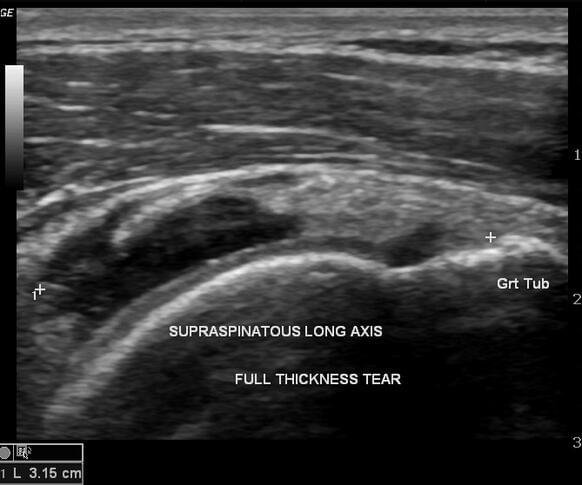
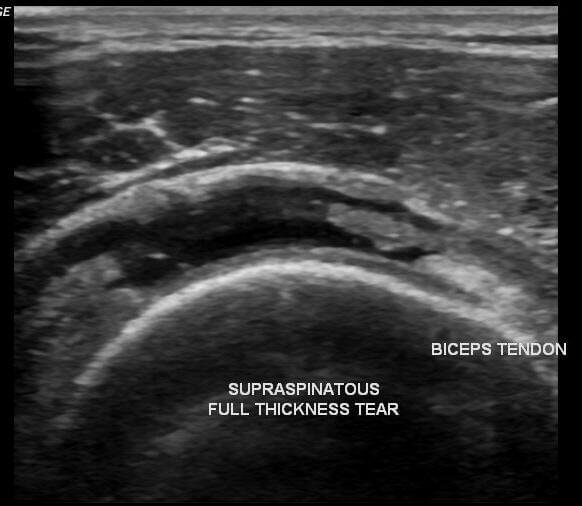
Combining these approaches allows doctors to distinguish between tendinitis, partial tears, and complete ruptures, guiding the appropriate treatment plan.
Final Thoughts
Shoulder pain can be concerning, but it does not always indicate a rotator cuff tear. The key signs that warrant attention are weakness, persistent pain, and limitation of movement.
Recognizing these symptoms early and seeking timely evaluation can prevent further injury and improve recovery outcomes. Many people can manage rotator cuff problems successfully through conservative care, including physical therapy, exercise, and proper load management.
Ultimately, early recognition, consistent rehabilitation, and professional guidance are essential for maintaining shoulder function and minimizing long-term complications. Even with a tear, the shoulder can adapt, allowing you to return to everyday activities and live an active life without surgery in many cases.