
Shoulder pain can be confusing, especially when you are not sure whether it is a minor strain, tendinitis, or something more serious like a rotator cuff tear. Many people ask themselves “what does a torn rotator cuff feel like” because understanding the symptoms can help decide when to rest, modify activities, or seek medical evaluation.
A torn rotator cuff can produce a variety of sensations, ranging from mild discomfort to sharp pain, weakness, or a catching feeling in the shoulder. The experience often depends on the size and location of the tear, as well as whether it developed suddenly after an injury or gradually over time due to wear and tear.
Knowing the common signs and early warning signals of a torn rotator cuff can help you recognize the problem and take action before it worsens. In this article, we’ll explore what a torn rotator cuff feels like, how it differs from other shoulder conditions, and when it’s important to see a doctor.
Understanding the Rotator Cuff
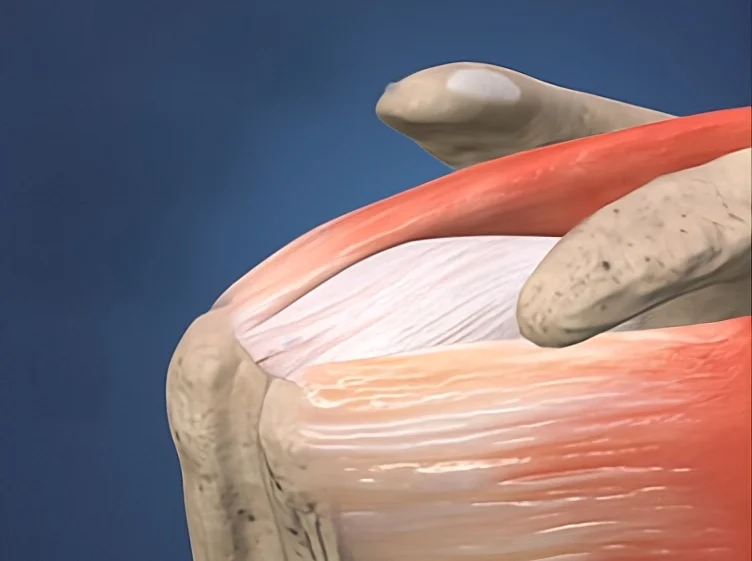
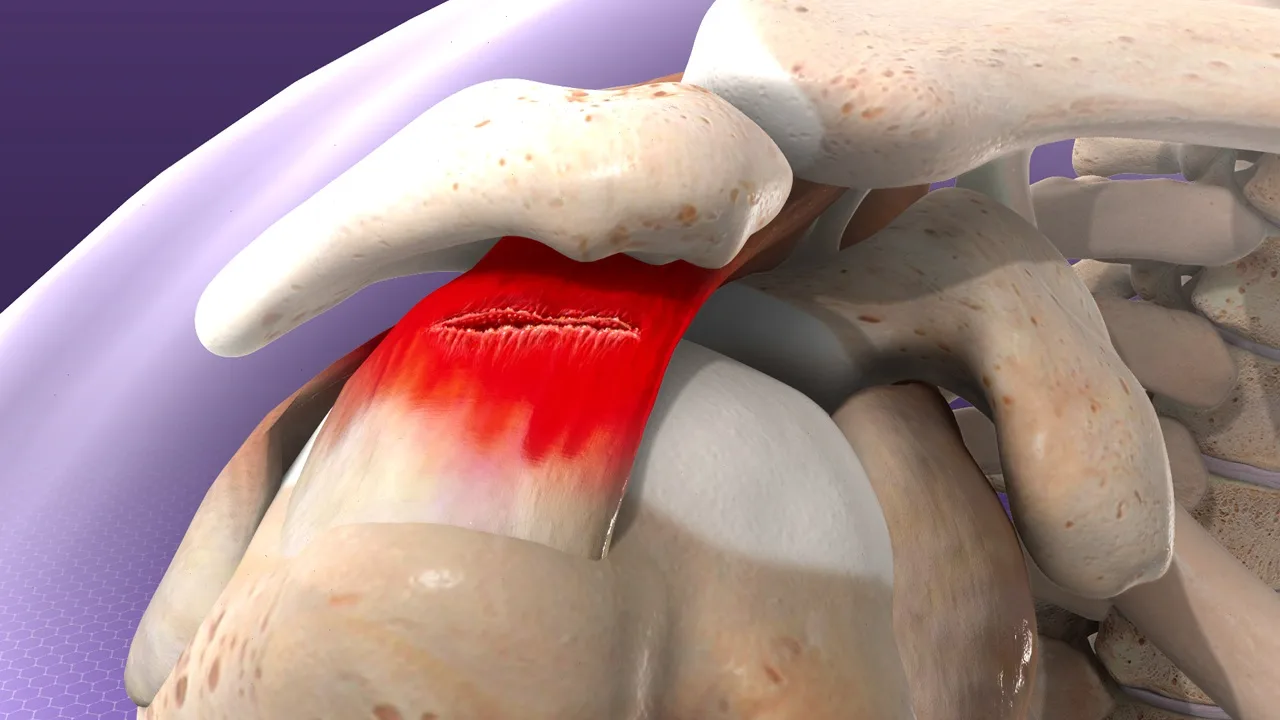
The rotator cuff is a group of four muscles and their tendons—supraspinatus, infraspinatus, teres minor, and subscapularis—that surround the shoulder joint. These muscles stabilize the upper arm in the shoulder socket and allow important movements like lifting, rotating, and reaching overhead.
When the rotator cuff is damaged, either partially or completely, the shoulder’s stability and function are affected. Recognizing the sensations caused by a tear can help you differentiate it from simple inflammation or muscle strain.
Common Sensations and Symptoms
People often ask, “what does a torn rotator cuff feel like?” Understanding the range of sensations can help you identify whether your shoulder pain may indicate a tear rather than a minor strain or tendinitis. A torn rotator cuff can affect the shoulder in multiple ways, and symptoms 1 often differ depending on the severity, location, and whether the tear is acute (sudden) or degenerative (gradual).
1. Pain in the Shoulder
Pain is usually the first and most noticeable symptom. It is often felt on the outer part of the shoulder and upper arm, especially when lifting the arm, reaching overhead, or performing daily tasks such as brushing hair or putting on a jacket. Some people describe it as a sharp or stabbing pain, while others feel a dull, persistent ache that worsens with activity.
2. Night Pain
Many people notice that pain intensifies at night, particularly when lying on the affected shoulder. This can make sleeping uncomfortable and lead to frequent awakenings. Night pain is often a distinguishing feature of a rotator cuff tear, as it may continue even when the shoulder is at rest.
3. Weakness in the Arm
A torn rotator cuff often causes noticeable weakness, making it difficult to lift objects, perform overhead movements, or maintain stability during tasks like carrying groceries or lifting a child. Unlike simple muscle soreness, this weakness is persistent and does not improve with rest alone.
4. Reduced Range of Motion
Tendon damage can limit how far you can raise or rotate your arm. You may notice difficulty reaching behind your back, overhead, or across your chest, which can interfere with everyday activities like dressing, reaching for a shelf, or performing household chores.
5. Clicking, Popping, or Catching
Some people feel a popping, clicking, or catching sensation during shoulder movement. This occurs when torn tendon fibers or inflamed tissue move over the bones of the shoulder joint. Although not everyone experiences it, it is a common symptom associated with rotator cuff injuries.
6. Arm Fatigue or Heaviness
Even if lifting is possible, the affected arm may tire more quickly than usual. You might notice a sensation of heaviness, making it hard to sustain tasks that require holding the arm up, such as painting, washing windows, or lifting lightweight objects repeatedly.
7. Occasional Sharp or Radiating Pain
In some cases, the pain may radiate down the arm toward the elbow, giving a burning or tingling sensation. This can occur especially during sudden movements or when lifting heavy objects, and it may mimic nerve-related issues, making diagnosis more challenging.
8. Variation by Tear Type
Symptoms can vary depending on whether the tear is partial or full-thickness.
- Partial tears often cause intermittent pain, mild weakness, and occasional catching.
- Full-thickness tears usually produce more pronounced weakness, consistent pain, and a noticeable reduction in shoulder function.
Because of this variability, many people ask “what does a torn rotator cuff feel like?” multiple times as symptoms progress. Tracking patterns in pain, weakness, and mobility can help healthcare providers determine the severity and guide appropriate treatment.
Early Warning Signs Many People Ignore
Often, a rotator cuff tear starts subtly. Many people dismiss mild discomfort or stiffness as normal shoulder soreness. Understanding what a torn rotator cuff feels like early on can make a big difference in preventing further injury. Some subtle signs to watch for include:
- Pain when putting on clothing – Struggling to put on a shirt, bra, or jacket may indicate limited shoulder mobility or tendon irritation.
- Difficulty raising the arm overhead – Reaching for shelves, washing windows, or performing overhead tasks can become painful or awkward.
- Weakness when lifting everyday objects – Even light items like a coffee mug or a small grocery bag may feel heavier than usual.
- Discomfort when combing or washing hair – Movements that require rotation or lifting of the arm may trigger pain or stiffness.
- A feeling of instability or looseness in the shoulder – Some people describe the shoulder as feeling “wobbly” or “off-center” during movement.
- Gradual increase in pain or fatigue – You may notice that discomfort or tiredness builds up over the day, even with light activity.
- Avoidance of certain movements – Unconsciously limiting arm movement because it causes discomfort is a subtle warning that the rotator cuff may be compromised.
Paying attention to these early signs can help you recognize a potential tear before it worsens. Even mild symptoms, if persistent, should prompt a professional evaluation to ensure proper diagnosis and management. Recognizing these signals is a key step in answering the question: what does a torn rotator cuff feel like.
Simple Self-Check Signs (Without Diagnosing)
If you are wondering “what does a torn rotator cuff feel like”, there are a few simple self-checks that may provide clues. These tests cannot confirm a diagnosis—they can only suggest that something may be wrong and that a professional evaluation is needed. Even if a test causes pain or weakness, it does not guarantee a tear, but it can help you recognize when to seek help from a healthcare provider.
Some common self-checks include:
- Drop Arm Test – Raise your arm to shoulder height and slowly lower it. If the arm drops suddenly, shakes, or feels weak, this may indicate a rotator cuff tear. Keep in mind that weakness can also result from muscle fatigue or inflammation, so a positive test does not confirm a tear.
- Painful Arc – Lift your arm sideways slowly. Pain between approximately 60–120 degrees of elevation is called a “painful arc” and may suggest rotator cuff involvement. However, other shoulder conditions, such as bursitis or tendinitis, can produce similar discomfort.
- External Rotation Weakness – With your elbow bent at 90 degrees and close to your body, try rotating your forearm outward against light resistance. Noticeable weakness compared to the other side can indicate tendon involvement, but mild differences may also be normal.
- Difficulty Lifting the Arm – If raising your arm forward or to the side feels unusually weak, painful, or difficult—even without holding weight—it may indicate a tear. Yet, limited strength alone cannot confirm the diagnosis.
It is crucial to remember that these self-checks are only screening tools. They can raise suspicion and help you notice potential problems, but they cannot replace a medical examination. If you experience any combination of pain, weakness, reduced motion, or these test signs, scheduling a consultation with an orthopedic specialist, physiatrist, or physical therapist is essential.
Paying attention to these signs can help answer the question “what does a torn rotator cuff feel like”, but only a professional assessment, sometimes including imaging like ultrasound or MRI, can provide a definitive diagnosis and guide appropriate treatment.
When to See a Doctor
While not all shoulder pain indicates a serious problem, certain situations require prompt medical attention to prevent further damage and ensure proper treatment. Knowing what does a torn rotator cuff feel like can help you recognize these warning signs.
- Sudden weakness – If your shoulder suddenly feels weak or you struggle to hold up your arm, this may indicate a significant tendon injury.
- Inability to lift the arm – Difficulty raising even light objects or performing everyday tasks like reaching overhead should be evaluated promptly.
- Severe pain after an injury – A fall, heavy lift, or sports injury causing intense shoulder pain warrants immediate attention.
- Symptoms persisting more than 2–3 weeks – Pain, weakness, or limited range of motion that does not improve with rest or basic care could indicate a tear.
- Progressive worsening – Increasing pain, stiffness, or limitation over time is a red flag that professional assessment is needed.
Early evaluation by an orthopedic specialist or physiatrist can help determine whether conservative treatment, physical therapy, or surgical options are necessary. Timely action can prevent further injury, reduce pain, and improve long-term shoulder function.
What Does a Torn Rotator Cuff Feel Like: Conclusion
Understanding what a torn rotator cuff feels like can help you recognize early warning signs and seek timely medical evaluation. The condition often presents with a combination of pain, weakness, reduced range of motion, and sometimes clicking or catching sensations in the shoulder.
- Pain: Dull ache or sharp discomfort, often worsened by lifting or reaching overhead.
- Weakness: Difficulty lifting objects or performing everyday tasks.
- Limited Motion: Trouble raising the arm, rotating, or reaching behind the back.
- Night Pain: Discomfort when lying on the affected shoulder, affecting sleep.
- Instability or Catching: Popping or catching sensations during certain movements.
While mild shoulder discomfort does not always mean a tear, paying attention to these symptoms, performing gentle self-checks, and seeking a professional assessment can prevent further injury and improve recovery outcomes. Early diagnosis and appropriate management, whether through physical therapy, targeted exercises, or medical intervention, are key to regaining full function and reducing long-term complications.
Remember: recognizing what a torn rotator cuff feels like is the first step toward protecting your shoulder and maintaining an active lifestyle.