
Tingling in feet is a common sensation often described as pins and needles, numbness, or a mild burning feeling. In many cases, it is temporary and harmless — for example, after sitting in one position for too long. However, persistent or recurring tingling can be a sign of an underlying medical condition, such as nerve damage, poor circulation, or vitamin deficiency.
This sensation most commonly affects the toes and soles of the feet, but it can sometimes spread to the lower legs depending on the cause. While occasional tingling is usually nothing to worry about, long-lasting or worsening symptoms should not be ignored.
In this article, we’ll explain the most common causes of tingling in feet, how to recognize them, and when it’s important to seek medical advice.
Quick Overview – Tingling in Feet
- Tingling in feet is a common symptom that can be harmless, but may also indicate nerve damage or circulation problems.
- The most common causes include nerve compression, diabetic polyneuropathy, lumbar radiculopathy, and vitamin B12 deficiency.
- Symmetrical tingling that starts in the feet usually suggests polyneuropathy, while one-sided symptoms are more often caused by nerve compression in the spine.
- Tingling at rest is often more noticeable due to reduced circulation and increased awareness of bodily sensations, especially in the evening.
- It is usually harmless if it is short-lasting, occasional, and related to body position, resolving quickly after movement.
- Medical evaluation is recommended if tingling is persistent, progressive, or occurs daily, especially if accompanied by pain, weakness, or difficulty walking.
- Early diagnosis helps identify the underlying cause and prevent permanent nerve damage.
Why Does Tingling in Feet Occur?
In most cases, tingling in feet occurs due to a disruption in the normal function of peripheral nerves. This may result from temporary nerve compression, irritation, or more serious conditions that cause nerve damage.
Unlike tingling in the hands, which is often caused by localized compression, tingling in the feet is more commonly associated with systemic conditions that affect multiple nerves simultaneously.
Main Types of Causes
Tingling in feet can be broadly divided into several categories:
- Temporary nerve compression (e.g. sitting with crossed legs)
- Localized nerve compression (e.g. lumbar radiculopathy, peroneal nerve, tarsal tunnel syndrome)
- Polyneuropathy — damage affecting multiple nerves (diabetic, alcoholic, nutritional, idiopathic)
Temporary Tingling
Temporary tingling is usually caused by mechanical pressure on a nerve, such as prolonged sitting or maintaining an awkward position.
In these cases:
- symptoms are short-lasting
- resolve quickly after changing position
- have no clinical significance
Persistent Tingling and Neuropathy
In clinical practice, chronic or recurring tingling is far more important, as it is most often caused by peripheral nerve damage (polyneuropathy).
Polyneuropathy typically:
- affects both feet symmetrically
- starts in the toes
- gradually spreads upward
Patients often describe:
- a “sock-like” sensation
- burning or tingling
- reduced sensation
Clinical Insight
Transient tingling in the feet is most commonly caused by temporary compression of a peripheral nerve, such as prolonged sitting or maintaining an awkward posture. In these cases, symptoms are short-lived and completely benign.
When tingling is recurrent or persistent, the most common underlying mechanism is peripheral nerve dysfunction. Among these conditions, polyneuropathy—particularly diabetic neuropathy—is the leading cause in clinical practice.
Early identification of the underlying cause is essential, as it allows timely management and helps prevent progression to irreversible nerve damage.
When Is Tingling in Feet Serious?
Tingling in feet is often harmless when it is short-lasting and clearly related to pressure on a nerve or an uncomfortable body position. In many cases, the sensation resolves quickly after changing position and does not indicate any underlying disease.
However, tingling can sometimes be a sign of a more serious condition affecting the nerves or circulation, especially when it is persistent, progressive, or associated with other neurological symptoms.
Warning signs that require medical attention
Tingling in the feet should be evaluated by a healthcare professional if it is:
- Persistent or worsening over time
- Gradually spreading from the feet toward the legs
- Accompanied by numbness, burning pain, or reduced sensation
- Associated with muscle weakness
- Linked to difficulty walking, balance problems, or coordination issues
These features may suggest an underlying neurological condition rather than a temporary nerve compression.
Possible serious underlying causes
In clinical practice, persistent tingling in the feet may be associated with:
- Diabetic neuropathy, one of the most common causes of chronic nerve damage
- Vitamin B12 deficiency, which can impair normal nerve function
- Lumbar radiculopathy, caused by nerve root compression in the lower spine
- Peripheral polyneuropathy, which affects multiple nerves symmetrically
- Peripheral artery disease, where reduced blood flow affects nerve oxygen supply
Key Takeaway
While occasional tingling in the feet is usually harmless, persistent or progressive symptoms should not be ignored. Early medical evaluation is important to identify the underlying cause and prevent potential long-term nerve damage.
Tingling in Feet: 9 Common Causes
In this section, the most common causes of tingling in the feet are described, along with their clinical features. The goal is to help recognize potential underlying conditions and identify when further medical evaluation is needed.
1. Temporary nerve compression (benign tingling in feet)
One of the most common and harmless causes of tingling in the feet is temporary compression of a peripheral nerve. This occurs due to mechanical pressure on the nerve during certain body positions.
It is most often seen with:
- prolonged sitting
- crossing the legs
- sleeping in an awkward position
In these situations, nerve conduction and local blood flow are temporarily reduced, leading to sensations of tingling, “pins and needles,” or short-lasting numbness.
Symptoms are transient and typically resolve within minutes after changing position and restoring normal circulation. This type of tingling is benign and does not indicate underlying disease.
2. Diabetic neuropathy (most common cause of chronic tingling in feet)

Diabetic neuropathy is one of the most common chronic complications of long-standing diabetes mellitus and a leading cause of persistent tingling in the feet. It refers to damage of peripheral nerves caused by prolonged elevated blood glucose levels.
Over time, hyperglycemia damages both nerve fibers and the small blood vessels that supply them, leading to progressive nerve dysfunction. The longest nerves are affected first, which is why symptoms typically begin in the feet.
Symptoms are usually:
- symmetrical (affecting both feet equally)
- progressive over time
- starting in the toes and spreading upward
Pathophysiology
Chronic hyperglycemia leads to microvascular damage and impaired oxygen and nutrient delivery to nerves, resulting in gradual nerve fiber degeneration. Additional risk factors include hypertension, dyslipidemia, and smoking.
Clinical symptoms
- tingling in feet and toes
- burning or “burning feet” sensation
- numbness and reduced sensation
- stabbing or shooting pain, often worse at night
- muscle weakness in advanced stages
- loss of temperature and touch sensation
Diagnosis and treatment
Diagnosis is based on clinical examination, neurological assessment, and tests such as electromyoneurography (EMNG) or monofilament testing.
Management focuses on:
- strict blood glucose control
- lifestyle modification (diet, exercise, smoking cessation)
- management of blood pressure and lipids
- neuropathic pain medications when needed
Early treatment is essential to slow disease progression and prevent permanent nerve damage.
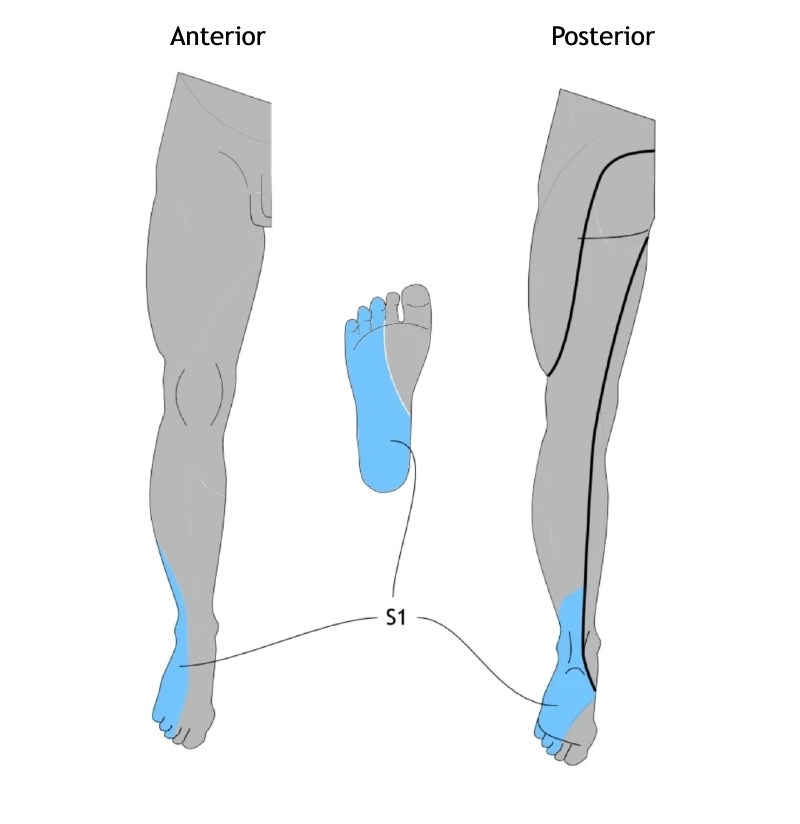
3. Lumbar radiculopathy (nerve root compression)
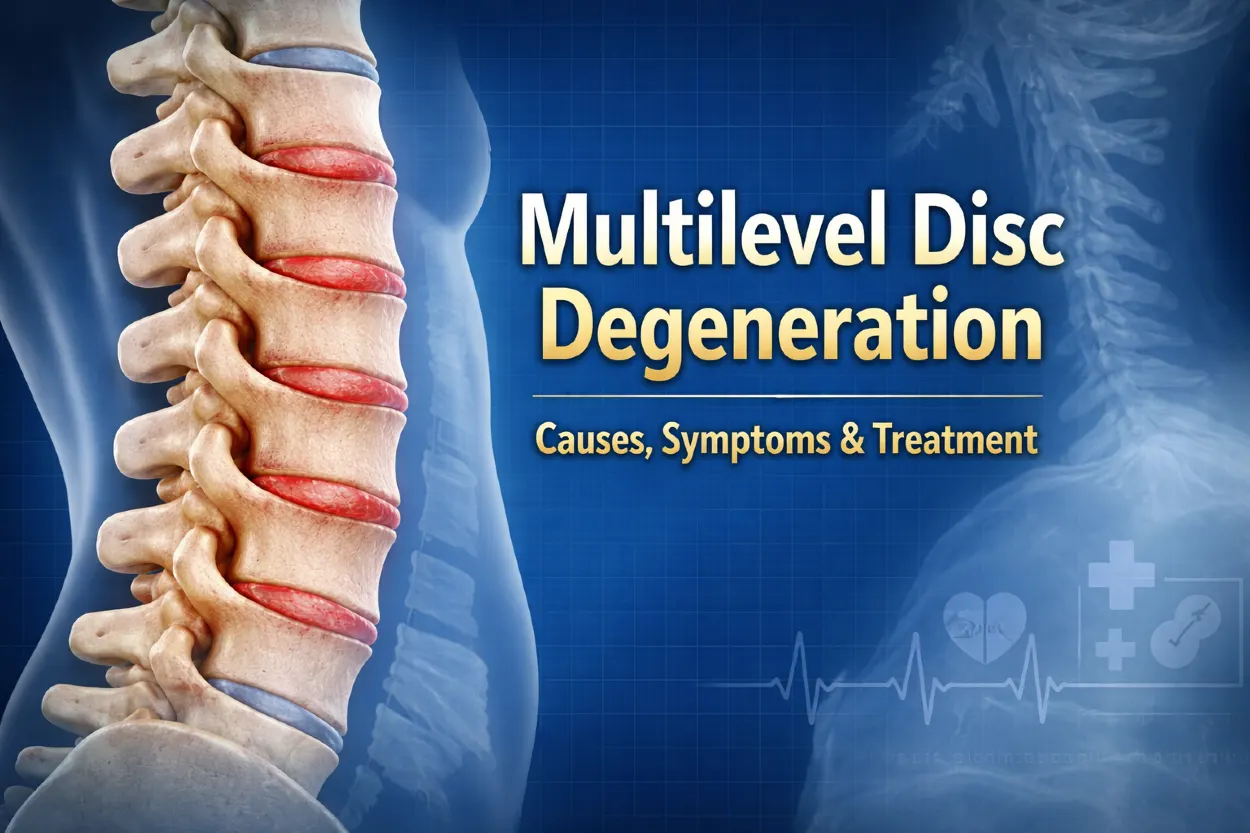
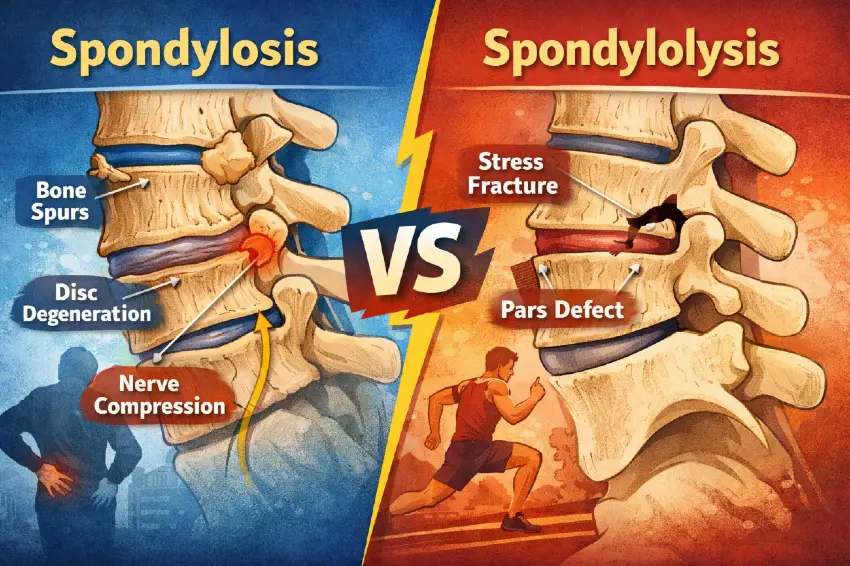
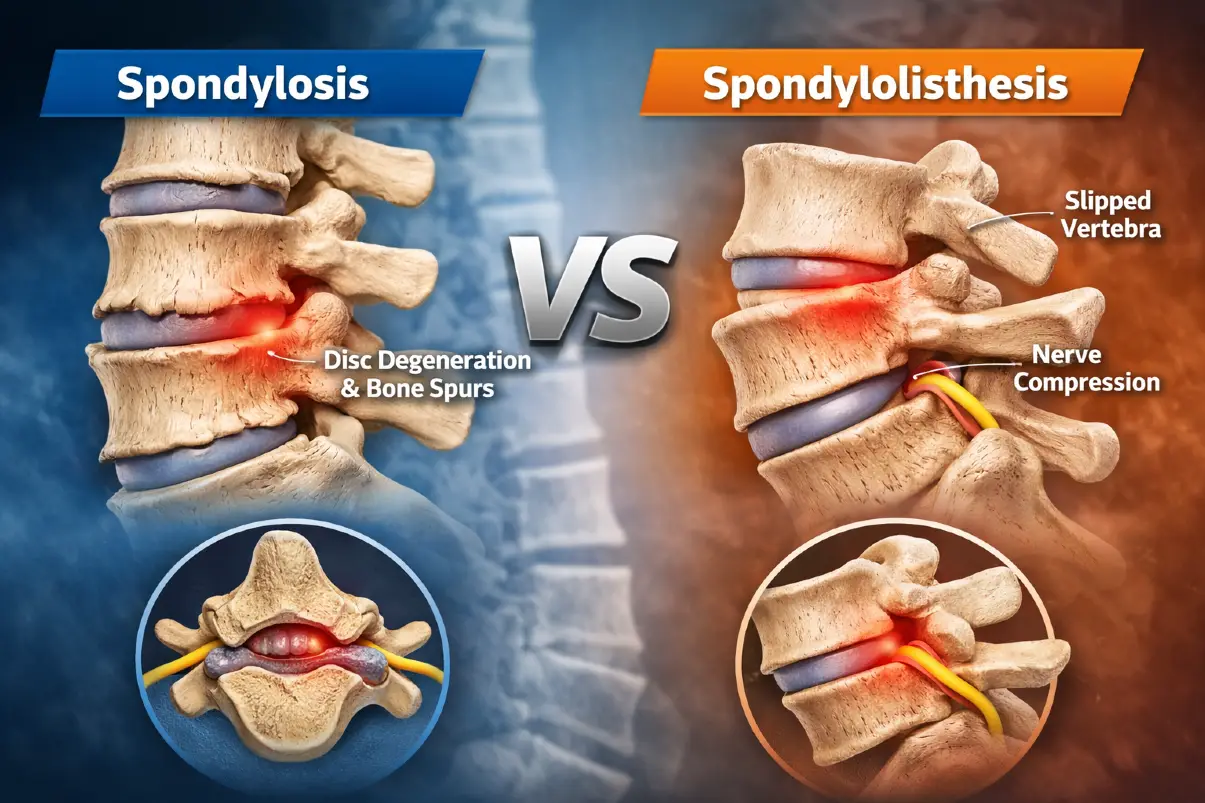
Lumbar radiculopathy occurs due to compression or irritation of nerve roots in the lower spine, most commonly caused by disc herniation, spinal degeneration (spondylosis), or spinal stenosis.
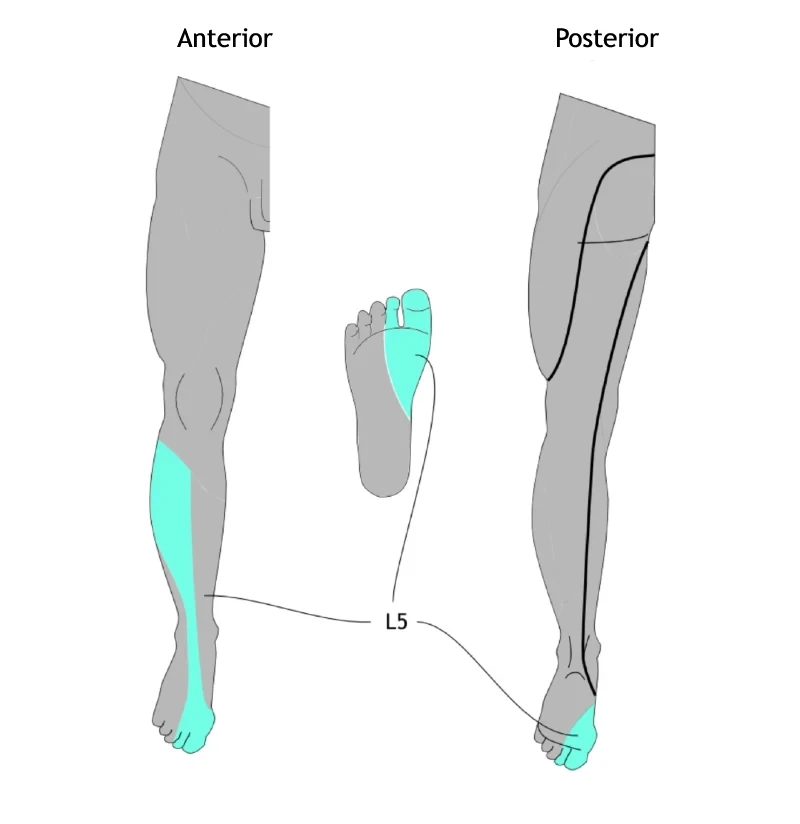
Depending on the affected nerve root (L4, L5, or S1), symptoms may radiate into specific areas of the leg and foot.
Clinical features:
- tingling in one leg or foot (often unilateral)
- radiating pain from the lower back to the leg
- numbness in specific dermatomal patterns
- muscle weakness
- worsening symptoms with sitting, bending, or physical strain
Diagnosis is confirmed using MRI or CT imaging, with EMNG used for functional assessment.
Treatment includes physical therapy, analgesics, anti-inflammatory medication, and in severe cases epidural injections or surgery.
4. Vitamin B12 deficiency
Vitamin B12 is essential for normal nerve function and myelin formation. Deficiency can lead to impaired nerve conduction and neurological symptoms, including tingling in the feet.
Common causes include poor dietary intake, malabsorption disorders, and long-term use of certain medications.
Symptoms:
- tingling in feet and hands
- numbness or “pins and needles” sensations
- muscle weakness
- balance problems
- fatigue and general weakness
Diagnosis is confirmed via blood testing, and treatment involves vitamin B12 supplementation (oral or intramuscular depending on severity).
Early treatment usually leads to significant symptom improvement, but prolonged deficiency may cause irreversible nerve damage.
5. Alcohol-related neuropathy
Chronic alcohol consumption can directly damage peripheral nerves and also cause nutritional deficiencies, particularly of B vitamins.
Symptoms develop gradually and are typically symmetrical, starting in the feet.
Clinical features:
- tingling in feet
- burning sensations
- numbness
- muscle weakness
- balance difficulties in advanced stages
Management requires complete alcohol cessation, vitamin supplementation, nutritional support, and symptomatic treatment of neuropathic pain.
6. Peripheral polyneuropathy (non-diabetic causes)
Peripheral polyneuropathy refers to diffuse damage of multiple peripheral nerves. Besides diabetes, it can be caused by toxins, autoimmune disease, infections, metabolic disorders, or genetic conditions.
Common causes include:
- toxic exposure (heavy metals, chemotherapy drugs)
- chronic kidney or liver disease
- autoimmune neuropathies (e.g. CIDP)
- hereditary neuropathies (e.g. Charcot-Marie-Tooth disease)
- idiopathic cases (no identifiable cause)
Symptoms:
- symmetrical tingling in feet
- numbness and reduced sensation
- burning pain
- distal muscle weakness
- balance impairment
Treatment depends on the underlying cause and may include removal of toxins, immunotherapy, or symptomatic management.
7. Peripheral artery disease (poor circulation)
Peripheral artery disease (PAD) is caused by narrowing of arteries supplying the lower limbs, usually due to atherosclerosis.
Reduced blood flow leads to insufficient oxygen and nutrient delivery to tissues and nerves.
Symptoms:
- tingling in feet
- cold feet
- leg pain during walking (claudication)
- fatigue or heaviness in legs
- rest pain in advanced stages
Diagnosis is based on ABI measurement, Doppler ultrasound, and angiographic imaging.
Treatment includes lifestyle modification, cardiovascular risk control, and in advanced cases endovascular or surgical intervention.
8. Tarsal tunnel syndrome
Tarsal tunnel syndrome occurs due to compression of the posterior tibial nerve as it passes through the ankle.
Symptoms:
- tingling or burning in the sole of the foot
- numbness in the plantar region
- worsening symptoms with standing or walking
- relief with rest
Treatment includes orthotics, physical therapy, anti-inflammatory medications, and in severe cases surgical decompression.
9. Systemic and other neurological causes
Various systemic diseases and neurological disorders can also cause tingling in the feet.
Systemic conditions include:
- kidney and liver disease
- thyroid disorders (hypothyroidism)
- vascular diseases
- hematological disorders
- autoimmune diseases
Neurological causes:
- multiple sclerosis
- spinal cord disorders (e.g. cervical myelopathy)
Infections:
- Lyme disease
- herpes zoster
- HIV
- Epstein-Barr virus
Functional causes:
- anxiety and hyperventilation
- chronic stress
These conditions often present with additional systemic or neurological symptoms and require targeted diagnostic evaluation.
| Cause | Description | Typical Features |
|---|---|---|
| Temporary nerve compression | Short-term pressure on a peripheral nerve due to posture or prolonged sitting. | Sudden tingling, resolves quickly after movement, benign |
| Diabetic neuropathy | Nerve damage caused by long-term elevated blood glucose levels. | Symmetrical symptoms, starts in feet, burning or numbness |
| Lumbar radiculopathy | Nerve root compression in the lower spine due to disc herniation or degeneration. | Unilateral symptoms, back pain, radiating leg pain |
| Vitamin B12 deficiency | Reduced vitamin B12 levels affecting nerve function and myelin integrity. | Tingling in feet and hands, fatigue, balance issues |
| Alcohol-related neuropathy | Peripheral nerve damage due to chronic alcohol use and nutritional deficiencies. | Symmetrical tingling, weakness, gradual progression |
| Peripheral polyneuropathy | Diffuse damage of multiple peripheral nerves from various systemic or toxic causes. | Symmetrical symptoms, distal onset, sensory loss |
| Peripheral artery disease | Reduced blood flow to the lower limbs due to arterial narrowing. | Cold feet, walking pain, tingling, poor circulation signs |
| Tarsal tunnel syndrome | Compression of the tibial nerve at the ankle region. | Burning sole pain, tingling in foot, worse with standing |
| Systemic & neurological diseases | Includes autoimmune, infectious, metabolic, and central nervous system disorders. | Mixed neurological symptoms, often with systemic signs |
Conclusion: Tingling in Feet and Its Clinical Significance
Tingling in feet is a common neurological symptom that can range from completely benign, temporary sensations to signs of significant underlying disease. In many cases, it occurs due to harmless nerve compression caused by prolonged sitting or awkward body positioning, and resolves quickly once normal posture is restored.
However, when tingling in the feet becomes persistent, recurrent, or progressively worsening, it is more likely related to underlying nerve damage. The most common cause in such cases is peripheral neuropathy, particularly diabetic neuropathy, which typically presents with symmetrical symptoms starting in the toes and gradually progressing upward.
Other important causes include lumbar radiculopathy, vitamin B12 deficiency, alcohol-related neuropathy, and various systemic or vascular conditions that affect nerve function and blood supply.
Early recognition of the underlying cause is essential, as timely diagnosis allows for targeted treatment and can significantly reduce the risk of permanent nerve damage. For this reason, persistent or unexplained tingling in the feet should not be ignored and warrants medical evaluation.
FAQ: Tingling in Feet
Is tingling in feet dangerous?
Occasional tingling in feet is usually harmless and often caused by temporary nerve compression from sitting or lying in an awkward position. However, persistent or recurrent tingling may indicate an underlying condition such as peripheral neuropathy, diabetes, or nerve compression in the spine, and should be medically evaluated.
What is the most common cause of tingling in feet?
The most common cause of chronic tingling in feet is peripheral neuropathy, particularly diabetic neuropathy. It develops gradually due to long-term elevated blood glucose levels that damage peripheral nerves, typically starting in the toes and progressing upward symmetrically.
Can tingling in feet be caused by vitamin deficiency?
Yes, vitamin B12 deficiency is a well-known cause of tingling in the feet. Vitamin B12 is essential for proper nerve function and myelin formation. Deficiency can lead to nerve dysfunction, causing tingling, numbness, balance problems, and fatigue.
When should I see a doctor for tingling in feet?
Medical evaluation is recommended if tingling in the feet is persistent, worsening, or occurs daily. You should also seek medical attention if symptoms are accompanied by pain, muscle weakness, balance problems, or loss of sensation, as these may indicate nerve damage.
Can stress or anxiety cause tingling in feet?
Yes, stress and anxiety can contribute to tingling sensations, often through hyperventilation or increased nerve sensitivity. These symptoms are usually intermittent and resolve when stress levels decrease, but other medical causes should be ruled out first.
Is tingling in one foot different from both feet?
Yes. Tingling in both feet is more commonly associated with systemic conditions such as diabetic neuropathy or vitamin deficiencies. Tingling in one foot may indicate localized nerve compression, such as lumbar radiculopathy or peripheral nerve entrapment.
Can tingling in feet be reversed?
In many cases, tingling can improve or be reversed if the underlying cause is identified and treated early. For example, vitamin deficiencies and some metabolic causes are reversible, while long-standing diabetic neuropathy may be managed but not fully reversible.
What tests are used to diagnose the cause of tingling in feet?
Diagnosis may include neurological examination, blood tests (e.g. glucose, vitamin B12), nerve conduction studies (EMNG), and imaging such as MRI of the spine if nerve compression is suspected.
England JD, Asbury AK. Peripheral neuropathy. The Lancet. 2004;363(9427):2151-2161. doi:10.1016/S0140-6736(04)16508-2. DOI Link
Feldman EL, Callaghan BC, Pop-Busui R, et al. Diabetic neuropathy. Nature Reviews Disease Primers. 2019;5:41. doi:10.1038/s41572-019-0097-9. DOI Link
Pop-Busui R, Boulton AJM, Feldman EL, et al. Diabetic neuropathy: ADA position statement. Diabetes Care. 2017;40(1):136-154. doi:10.2337/dc16-2042. DOI Link
Callaghan BC, Price RS, Chen KS, Feldman EL. Peripheral neuropathy: diagnosis and treatment. Mayo Clinic Proceedings. 2015;90(7):940-951. doi:10.1016/j.mayocp.2015.05.004. DOI Link
England JD, Gronseth GS, Franklin G, et al. Evaluation of distal symmetric polyneuropathy. Neurology. 2009;72(2):185-192. doi:10.1212/01.wnl.0000336370.51010.a1. DOI Link
Tavee J, Zhou L. Small fiber neuropathy: A burning problem. Cleveland Clinic Journal of Medicine. 2009;76(5):297-305. doi:10.3949/ccjm.76a.08070. DOI Link
National Institute of Neurological Disorders and Stroke (NINDS). Peripheral Neuropathy Fact Sheet. NIH. NIH Link
Mayo Clinic. Peripheral neuropathy – Symptoms and causes. Mayo Clinic
Cleveland Clinic. Peripheral neuropathy overview. Cleveland Clinic