
Waking up with shoulder pain is a common problem for people who sleep on their side. While side sleeping is often considered a healthy position, it can place constant pressure on the shoulder joint, leading to stiffness, soreness, or even sharp pain in the morning.
Fortunately, there are effective solutions to shoulder pain from sleeping on side that can help relieve discomfort, improve sleep posture, and prevent long-term shoulder issues. Understanding the cause of the pain is the first step toward waking up rested and pain-free.
Why Sleeping on Your Side Causes Shoulder Pain
Sleeping on your side may feel comfortable at first, but staying in this position for several hours can place significant stress on your shoulder. Over time, this repeated strain is one of the main reasons people search for solutions to shoulder pain from sleeping on side.
Pressure on the Shoulder Joint
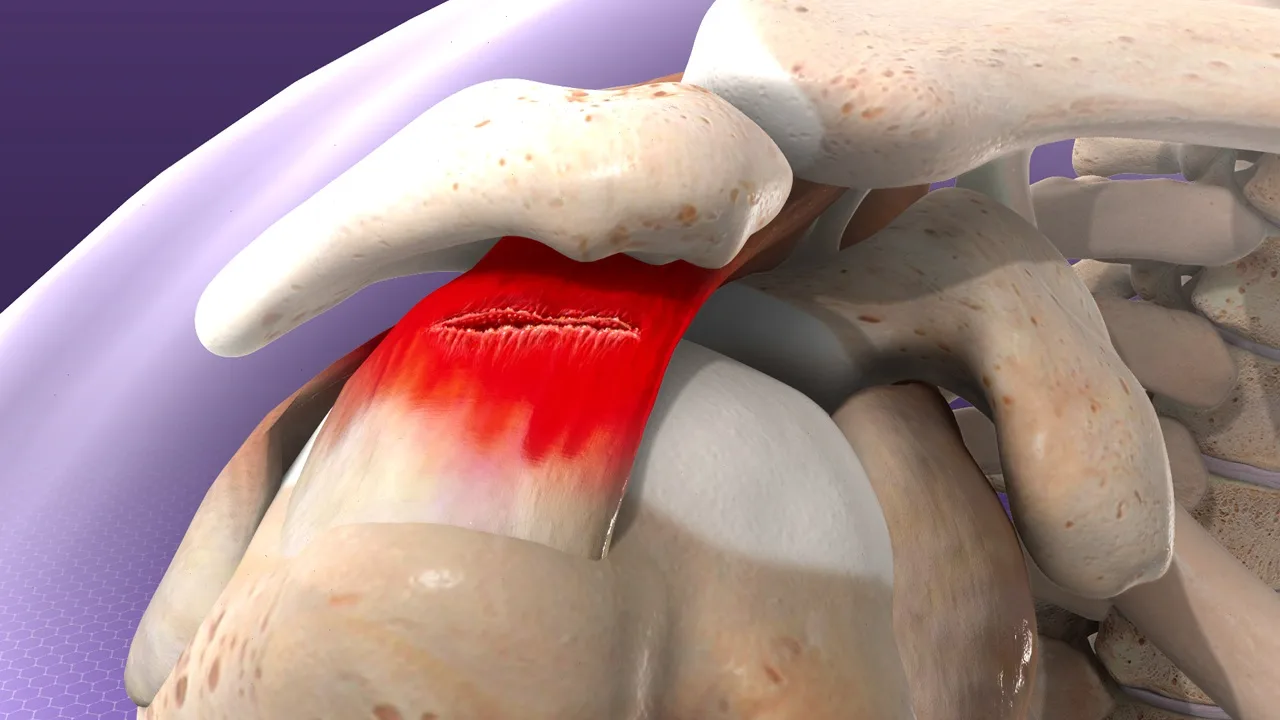
When you sleep on your side, your body weight is concentrated on one shoulder for a prolonged period. This constant pressure compresses the shoulder joint, muscles, and tendons, especially the rotator cuff. As a result, the tissues can become irritated or inflamed, leading to pain and tenderness when you wake up.
Poor Spinal Alignment
Side sleeping often causes the shoulder to roll forward if the pillow or mattress does not provide proper support. When the spine is not aligned from the neck down to the hips, the shoulder joint is forced into an unnatural position. This misalignment increases strain on the muscles and ligaments, contributing to stiffness and discomfort throughout the night.
Reduced Blood Flow and Nerve Compression
Prolonged pressure on the shoulder can also restrict blood flow and compress nearby nerves. This is why many side sleepers experience numbness, tingling, or a “pins and needles” sensation in the arm or hand. Reduced circulation prevents the shoulder tissues from recovering properly during sleep, making pain more noticeable in the morning.
Most Common Causes of Shoulder Pain in Side Sleepers
Shoulder pain from side sleeping is often linked to:
- Overuse or weakness of the shoulder muscles
- Inflammation of the rotator cuff tendons
- Shoulder bursitis
- Poor pillow or mattress support
- Sleeping on the same side every night
Curious about why your shoulder hurts at night? Learn more in our article: Shoulder Pain at Night: Common Causes and What You Can Do
Understanding these underlying causes is essential for choosing the right solutions to shoulder pain from sleeping on side and preventing the problem from becoming chronic.
Common Types of Shoulder Pain Caused by Side Sleeping
Shoulder pain from sleeping on your side does not feel the same for everyone. The type of pain you experience can provide important clues about what is causing the problem and which solutions to shoulder pain from sleeping on side may work best for you.
Dull Ache vs. Sharp Pain
- Dull ache: deep, aching pain from muscle fatigue or joint compression
- Sharp/stabbing pain: may indicate rotator cuff irritation or bursitis
Numbness and Tingling
- Caused by nerve compression or restricted blood flow
- Often improves after changing position
Morning Stiffness
- Tight or restricted shoulder movement after waking
- Mild stiffness typically improves within minutes; persistent stiffness may indicate inflammation
Pain That Improves or Worsens During the Day
Worsens: may indicate tendon injury or chronic inflammation
Improves: often related to sleep posture
Best Sleeping Positions to Relieve Shoulder Pain
Adjusting your sleeping position is one of the most effective solutions to shoulder pain from sleeping on side. Small changes in how you position your body and arms can significantly reduce pressure on the shoulder joint and improve nighttime comfort.
1. Sleep on the Non-Painful Side
- Avoid sleeping on the shoulder that hurts
- Reduces direct pressure on inflamed tissues
- Allows the painful shoulder to rest and recover
- Especially helpful for one-sided shoulder pain
2. Use Proper Arm and Shoulder Positioning
- Keep the bottom arm slightly forward, not trapped under your body
- Avoid sleeping with your arm overhead, which increases shoulder strain
- Support the top arm with a pillow to prevent shoulder collapse
- Maintain relaxed, neutral shoulder positioning
3. Hug a Pillow in Front of Your Chest
- Prevents the top shoulder from rolling forward
- Helps keep the spine and shoulders aligned
- Reduces stress on the shoulder joint
- Improves overall side-sleeping posture
4. Try a Semi-Back Sleeping Position
- Lean slightly onto your back while remaining on your side
- Use a pillow behind your back for support
- Decreases shoulder compression compared to full side sleeping
- Ideal for people who cannot sleep fully on their back
5. Sleeping Positions to Avoid
- Sleeping directly on a painful shoulder
- Placing the arm under the head or body
- Curling the shoulder forward excessively
- Remaining in the same position all night without support
How the Right Pillow Can Reduce Shoulder Pain while sleeping
Choosing the right pillow is one of the simplest yet most effective solutions to shoulder pain from sleeping on side. A well-designed pillow keeps your neck and spine aligned, reduces pressure on the shoulder, and prevents discomfort that can ruin your sleep.
Ideal Pillow Height for Side Sleepers
Side sleepers need a pillow that fills the space between the shoulder and head to maintain proper spinal alignment. If the pillow is too flat, your neck bends downward, putting extra strain on the shoulder. If it’s too high, your shoulder rolls forward, compressing the joint. The right pillow height should allow your head to remain in a neutral, straight line with your spine.
Pillow Materials (Memory Foam, Latex, Orthopedic)
The material of your pillow can make a big difference:
- Memory foam molds to the shape of your head and neck, providing even support and relieving pressure on the shoulder.
- Latex pillows offer firm support with a bit more bounce, keeping your shoulder and neck in proper alignment.
- Orthopedic pillows are specifically designed to support side sleepers with shoulder pain, often featuring contoured shapes or cutouts for the shoulder.
Shoulder-Support Pillows
Some pillows are designed with a shoulder cut-out or special contour to prevent direct pressure on the joint. These pillows help side sleepers maintain a natural arm and shoulder position, reducing pain and stiffness in the morning. Pairing a shoulder-support pillow with a body pillow can further improve alignment and comfort.
Common Pillow Mistakes
Many people make simple mistakes that worsen shoulder pain:
- Using a pillow that is too soft or too flat
- Sleeping on multiple pillows stacked unevenly
- Letting the pillow lose its shape over time
- Choosing a pillow that doesn’t fit your shoulder width
By choosing a pillow with the right height, material, and support, you can dramatically reduce shoulder pain and wake up feeling refreshed.
Mattress Support and Its Role in Shoulder Health
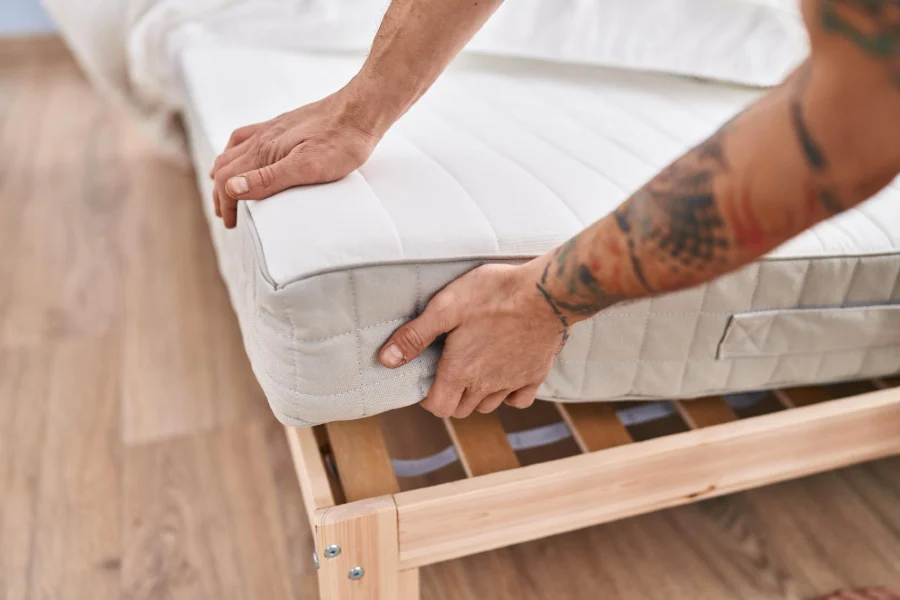
Your mattress plays a crucial role in preventing and relieving shoulder pain. Even with the right pillow and sleeping position, a mattress that does not support your body properly can worsen discomfort and interfere with restorative sleep. Understanding how mattress support affects your shoulders is essential for side sleepers.
Ideal Mattress Firmness
- Medium-soft to medium-firm mattresses are generally best for side sleepers.
- Too firm a mattress increases pressure on the shoulder and hip, leading to pain.
- Too soft a mattress can allow your body to sink, causing misalignment of the spine and shoulder joint.
- Look for a mattress that supports your body evenly while allowing slight sinkage at pressure points.
Pressure Relief for Shoulders
- A mattress with good pressure relief distributes body weight evenly.
- Memory foam and latex are excellent materials for relieving shoulder pressure.
- Some hybrid mattresses combine foam and springs to provide both support and comfort.
- Proper pressure relief reduces the risk of waking up with shoulder stiffness or numbness.
Signs Your Mattress Is Causing Pain
- You wake up with shoulder pain that improves later in the day
- Persistent stiffness in the shoulder or upper back
- Uneven wear on your mattress surface
- Tossing and turning frequently during the night
When to Consider Changing Your Mattress
- If your mattress is over 7–10 years old, it may no longer provide adequate support
- Persistent shoulder or back pain despite adjusting pillows and sleeping position
- Sagging or lumps that make side sleeping uncomfortable
- If pain improves temporarily with better pillows but returns overnight
Choosing the right mattress, combined with proper pillow support and sleeping position, is one of the most effective long-term solutions to shoulder pain from sleeping on side.
Stretches to Do Before Bed for Shoulder Pain Relief
Incorporating gentle stretches before bedtime is an effective way to reduce shoulder pain from sleeping on side. Stretching improves blood flow, loosens tight muscles, and prepares your shoulder joint for a more comfortable night of sleep.
1. Cross-Body Shoulder Stretch
- Stand or sit upright and bring one arm across your chest
- Use the opposite hand to gently pull the arm closer to your body
- Hold for 15–30 seconds and repeat on the other side
- Helps release tension in the shoulder and upper back muscles
2. Doorway Chest Stretch
- Stand in a doorway with your arms bent at 90 degrees and hands on the door frame
- Step forward slowly, feeling a stretch in the chest and front shoulders
- Hold for 20–30 seconds
- Opens the chest and reduces forward rolling of the shoulders
3. Shoulder Rolls
- Sit or stand with a straight back
- Slowly roll your shoulders forward in a circular motion 10 times
- Reverse and roll backward 10 times
- Promotes mobility and loosens tight shoulder muscles
4. Pendulum Shoulder Swings
- Lean forward slightly, supporting yourself with one hand on a stable surface
- Let the other arm hang freely and swing it gently in small circles
- Do 10–15 circles in each direction per arm
- Encourages joint lubrication and reduces stiffness
Tips for Effective Stretching
- Stretch slowly and avoid bouncing or forcing movements
- Perform stretches for 5–10 minutes before bed
- Focus on breathing deeply to relax muscles
- Stop if you feel sharp or intense pain
By making these stretches part of your nightly routine, you can improve shoulder flexibility, reduce morning stiffness, and complement other solutions like proper pillows and mattress support.
Strengthening Exercises to Prevent Shoulder Pain
Building strength in the shoulders and upper back is an important part of preventing pain from side sleeping. Focusing on the muscles that stabilize the shoulder joint, such as the rotator cuff, trapezius, and scapular muscles, helps support proper alignment during sleep and reduces the risk of strain.
Incorporating gentle resistance exercises a few times per week can improve joint stability, posture, and overall shoulder health.You don’t need to spend hours at the gym; even short daily routines of 10–15 minutes targeting the shoulders, upper back, and chest can be effective. The key is consistency and gradually increasing resistance over time.
Stronger muscles help maintain proper positioning while sleeping, making side sleeping more comfortable and reducing morning stiffness and discomfort.
Lifestyle Habits That Can Worsen Shoulder Pain
Everyday habits can have a significant impact on shoulder health, especially for side sleepers. Poor posture during the day, such as slouching at a desk or hunching over a phone, places extra strain on the shoulder and upper back muscles. Over time, this added tension can make the shoulder more sensitive to pressure during sleep, contributing to stiffness and pain in the morning.
Repetitive movements, heavy lifting, or prolonged periods of inactivity can also worsen shoulder discomfort. For example, carrying heavy bags on one shoulder or performing the same arm movements repeatedly can inflame the muscles and tendons, making side sleeping more uncomfortable. Even small adjustments, like switching shoulders when carrying a bag or taking regular breaks from sitting, can help reduce strain.
Finally, consistently sleeping on the same side without support can aggravate existing tension or injury. Combining better sleep posture, supportive pillows and mattress, and attention to daily habits creates the best environment for shoulder recovery and long-term pain prevention.
When Shoulder Pain Is a Sign of a Medical Problem
While most shoulder pain from sleeping on side can be managed with better posture, pillows, and exercises, certain signs indicate a more serious condition that requires professional evaluation.
Red Flags
- Persistent pain that doesn’t improve with rest or adjustments
- Sharp, severe, or sudden pain in the shoulder or arm
- Numbness, tingling, or weakness that persists beyond waking
- Swelling, redness, or visible deformity in the shoulder
Common Conditions
- Rotator cuff injuries – tears or inflammation of the tendons supporting the shoulder
- Bursitis – inflammation of the fluid-filled sacs that cushion the shoulder joint
- Frozen shoulder (adhesive capsulitis) – stiffness and limited range of motion
- Other musculoskeletal or nerve-related issues
When to See a Doctor or Physical Therapist
- Pain interferes with daily activities or sleep despite home adjustments
- Symptoms persist for several weeks without improvement
- You notice functional limitations, such as difficulty lifting the arm
- A healthcare professional can diagnose the cause and recommend targeted treatment, including physical therapy, medication, or imaging if needed
Final Tips and Key Takeaways
Managing shoulder pain from sleeping on your side often requires a combination of strategies. Start by adjusting your sleeping position, supporting your shoulders with the right pillow, and ensuring your mattress provides proper support. Gentle stretching before bed and strengthening exercises during the day can further reduce discomfort and improve long-term shoulder health.
Consistency is key—small changes, like switching sides occasionally, maintaining good posture during the day, and using supportive bedding, can make a big difference over time. Pay attention to your body: if pain persists, worsens, or shows red-flag symptoms, consult a healthcare professional.
By combining proper sleep habits, daily movement, and awareness of warning signs, you can relieve shoulder pain, prevent further injury, and enjoy more comfortable, restful nights.
Hammad A, Grinbaum E, Chezar A, Israeli A, Rozen N, Rubin G. The correlation between shoulder pathologies and sleep disorders. J Int Med Res. 2022 Jun;50(6):3000605221103543. doi: 10.1177/03000605221103543. PMID: 35676774; PMCID: PMC9189537.
Holdaway LA, Hegmann KT, Thiese MS, Kapellusch J. Is sleep position associated with glenohumeral shoulder pain and rotator cuff tendinopathy: a cross-sectional study. BMC Musculoskelet Disord. 2018 Nov 23;19(1):408. doi: 10.1186/s12891-018-2319-9. PMID: 30470225; PMCID: PMC6260856. Available from: Link
Zenian J. Sleep position and shoulder pain. Med Hypotheses. 2010 Apr;74(4):639-43. doi: 10.1016/j.mehy.2009.11.013. Epub 2009 Dec 24. PMID: 20036076. Available from: Link