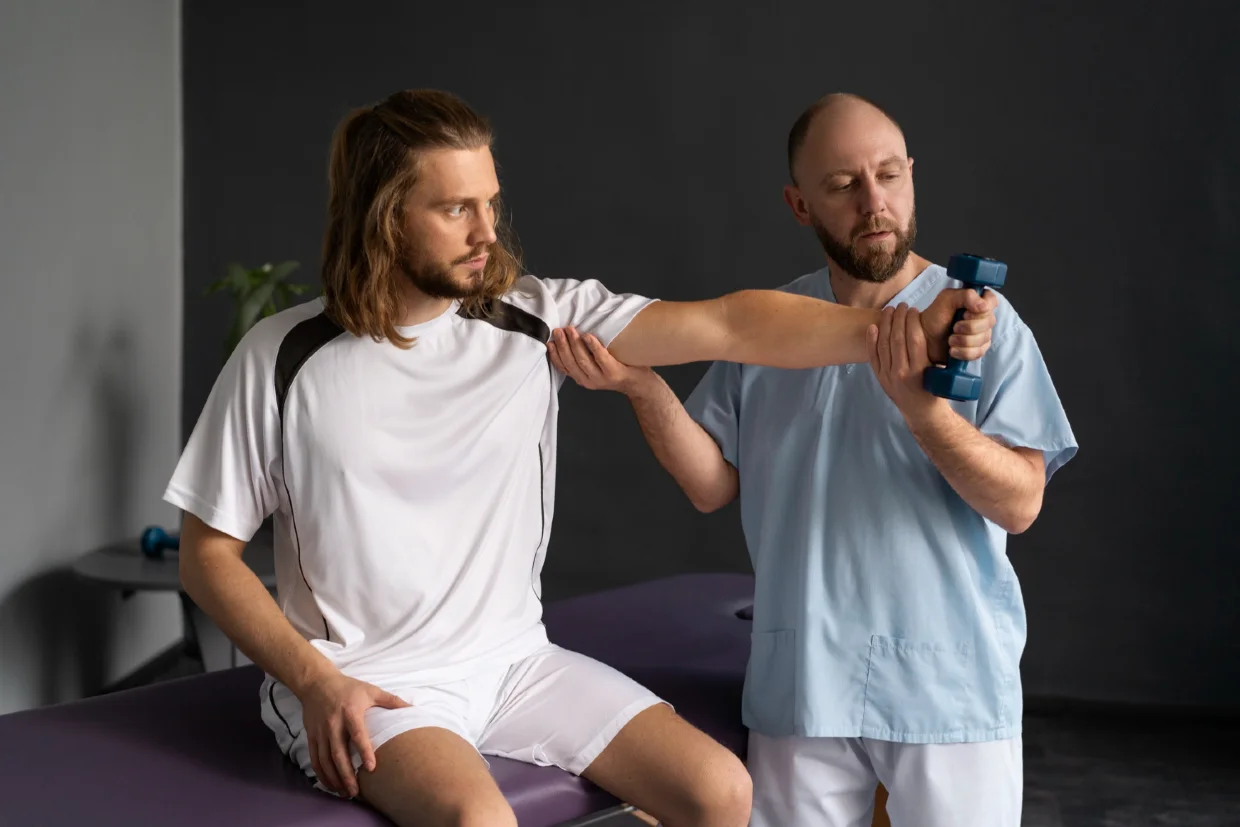
A torn rotator cuff is one of the most common causes of shoulder pain, especially in people who frequently use their arms overhead, athletes, and adults over the age of 40. When someone is diagnosed with a rotator cuff tear, many assume that surgery is the only solution. In reality, a large number of people can successfully manage this condition without an operation.
It is important to understand that rotator cuff tendons do not heal spontaneously once they are torn. Because of their limited blood supply, the torn tendon edges rarely reconnect on their own.
However, this does not mean the shoulder cannot improve. With appropriate rehabilitation, targeted strengthening exercises, and proper load management, many people can significantly reduce pain and restore good shoulder function even without surgical treatment.
What Is a Rotator Cuff Tear?
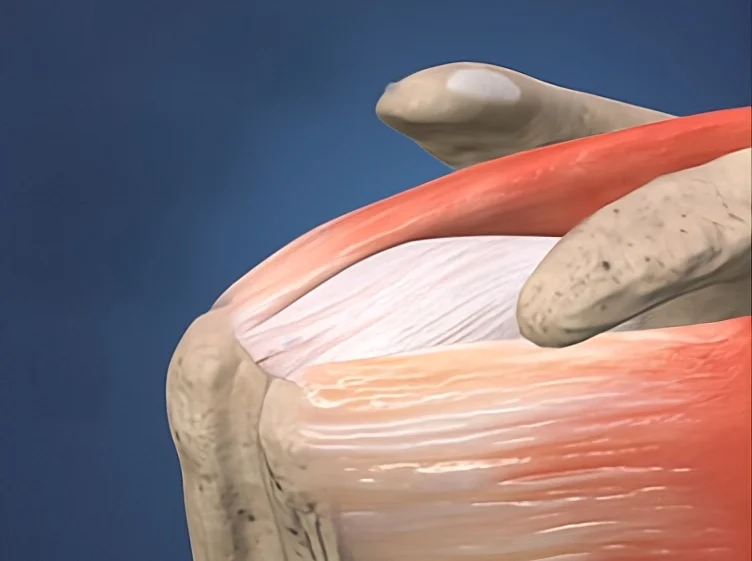
The rotator cuff is a group of four muscles and their tendons that surround the shoulder joint and help stabilize the upper arm in the socket. These muscles—supraspinatus, infraspinatus, teres minor, and subscapularis—work together to control shoulder movement and keep the head of the humerus centered in the joint during arm motion.
The tendons of these muscles connect the shoulder blade to the upper arm bone. This structure allows the shoulder to perform essential movements such as lifting the arm, rotating it inward or outward, and stabilizing the joint during daily activities. Because the shoulder joint is designed for mobility rather than stability, the rotator cuff plays a crucial role in maintaining proper shoulder mechanics.
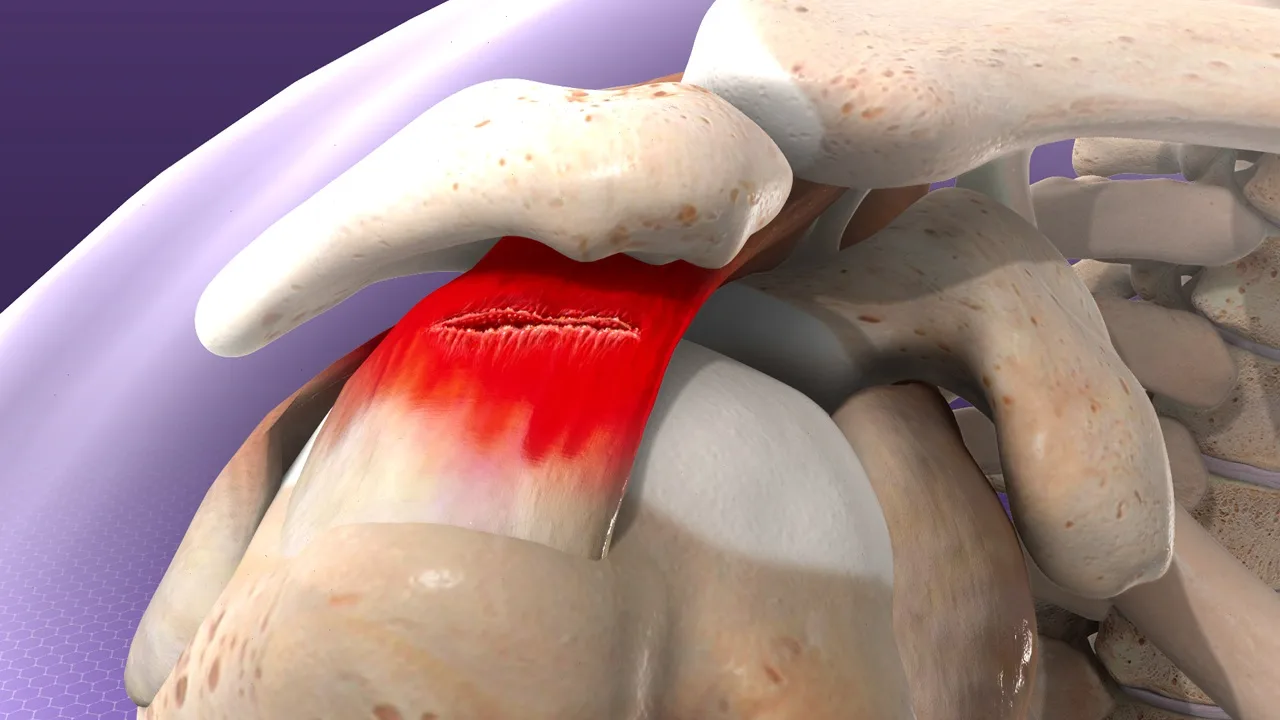
A rotator cuff tear occurs when one or more of these tendons becomes damaged or torn. This can happen suddenly after an injury—such as a fall or lifting something heavy—or gradually over time due to tendon degeneration and repetitive stress. The supraspinatus tendon is the most commonly affected because it experiences significant mechanical stress during overhead movements.
Rotator cuff tears can range from partial-thickness tears, where the tendon is only partially damaged, to full-thickness tears, where the tendon is completely separated from the bone. While some tears cause significant pain and weakness, others may cause only mild symptoms or remain unnoticed for years.
Can a Torn Rotator Cuff Heal Naturally?
One of the most common questions people ask after being diagnosed with a rotator cuff tear is whether the tendon can heal on its own. In most cases, it is almost impossible for a torn rotator cuff tendon to fully heal or reattach on its own, particularly in full-thickness tears. This is largely due to the relatively poor blood supply to the tendons and the mechanical forces acting on the shoulder during everyday movement.
However, this does not necessarily mean that surgery is always required. Many people with rotator cuff tears are able to significantly reduce pain and improve shoulder function without surgical treatment. In fact, conservative management is often the first line of treatment, particularly for partial tears or degenerative tears that develop gradually over time.
The reason this is possible is that shoulder function depends on more than just the integrity of the tendon itself. With proper rehabilitation, surrounding muscles can become stronger and help compensate for the damaged tendon. Improving shoulder mobility, strengthening the rotator cuff and scapular muscles, and managing daily loads on the shoulder can often restore comfortable movement and allow people to return to most of their normal activities.
In other words, while the tendon itself may not completely heal, the shoulder can still recover a high level of function with the right non-surgical approach.
Who Can Treat a Rotator Cuff Tear Without Surgery?
Not everyone with a torn rotator cuff needs surgery. Many people can manage their tear successfully through non‑surgical (conservative) treatment, especially if the tear is small and symptoms are manageable. Conservative care usually includes physical therapy, exercises, activity modification, pain management, and sometimes injections or other supportive treatments.
Here are the typical situations where non‑surgical treatment is often appropriate:
- Partial tears – where the tendon is damaged but not completely detached.
- Mild to moderate degenerative tears – chronic wear‑and‑tear tears that developed slowly over time, especially with preserved shoulder function and range of motion.
- Older adults or people whose daily activities do not put high demands on shoulder strength.
- Cases where pain and weakness respond well to rehabilitation and lifestyle adjustments.
In these situations, many people achieve significant pain reduction and improved function without surgery.
Natural Ways to Improve a Torn Rotator Cuff
Even though a torn rotator cuff tendon rarely heals completely on its own, many people can still restore shoulder function and reduce pain through natural, non-surgical strategies. The goal is to improve strength, mobility, and stability, allowing the shoulder to compensate for the damaged tendon and support everyday activities.
1. Physical Therapy and Targeted Exercises
A structured physical therapy program is the cornerstone of conservative rotator cuff management. Exercises focus on:
- Rotator cuff strengthening – using light resistance bands or weights to strengthen the remaining healthy tendon fibers.
- Scapular stabilization – strengthening the muscles around the shoulder blade to improve shoulder mechanics and reduce stress on the rotator cuff.
- Range of motion exercises – gentle stretching to maintain or restore shoulder mobility, prevent stiffness, and reduce compensatory strain.
Consistency is key. Even just 10–15 minutes daily of targeted exercises can significantly improve function over weeks to months.
2. Load Management
Avoiding movements that aggravate the shoulder—such as heavy overhead lifting or repetitive pushing/pulling—helps prevent further damage. Learning to pace activities and modify daily tasks can reduce pain while the shoulder adapts and strengthens.
3. Shoulder Mobility
Maintaining shoulder mobility through gentle stretching and functional movements is essential. This includes pendulum exercises, cross-body stretches, and other motions that keep the joint flexible without overloading the tendon.
4. Strengthening Scapular Stabilizers
The shoulder blade muscles (trapezius, serratus anterior, rhomboids) play a critical role in supporting the rotator cuff. Strengthening these muscles can offload stress from the torn tendon, improve posture, and restore efficient shoulder movement.
5. Anti-Inflammatory Strategies
Chronic inflammation can worsen pain and slow recovery. Incorporating anti-inflammatory strategies can support healing and improve comfort:
- Quality sleep – essential for tissue repair and recovery.
- Balanced diet – rich in anti-inflammatory foods like fatty fish, leafy greens, and berries.
- Stress management – meditation, breathing exercises, or light aerobic activity can reduce systemic inflammation.
By combining these strategies, most people can reduce pain, improve shoulder function, and return to everyday activities without surgery. While the tendon itself may not fully heal, the shoulder as a system can adapt and compensate, allowing for long-term functional recovery.
The Most Important Exercises for Rotator Cuff Tears
While the tendon itself almost never heals after a tear, targeted exercises can help restore strength, stability, and shoulder function. The most important exercises focus on three key areas: rotator cuff strengthening, scapular stabilization, and range of motion.
1. Rotator Cuff Strengthening
Strengthening the remaining healthy tendon fibers is essential to support the shoulder and reduce pain. Common exercises include:
- External rotation with a resistance band – attach a band at waist height, keep your elbow bent at 90°, and rotate your forearm outward slowly.
- Internal rotation with a resistance band – the opposite motion, rotating the forearm inward.
- Prone “T” and “Y” raises – lying face down, lift arms in a T or Y shape to strengthen the posterior rotator cuff.
Start with light resistance and focus on slow, controlled movements to avoid overloading the tendon.
2. Scapular Stabilization
The shoulder blade muscles play a crucial role in proper shoulder mechanics. Strengthening them reduces stress on the rotator cuff. Effective exercises include:
- Scapular retractions – pulling the shoulder blades together while keeping the arms at your sides.
- Wall slides – sliding arms up a wall while keeping the shoulder blades stable.
- Serratus punches – lying on your back or standing, push arms upward while focusing on activating the muscles along the sides of the shoulder blade.
These exercises improve posture, movement efficiency, and overall shoulder stability.
3. Range of Motion Exercises
Maintaining mobility helps prevent stiffness and compensatory problems:
- Pendulum exercises – leaning forward and letting the arm swing gently in small circles.
- Cross-body stretches – pulling the arm across the chest to stretch the posterior shoulder.
- Sleeper stretch – lying on your side and gently rotating the arm inward to improve internal rotation.
Tips for Success
- Perform exercises slowly and with control to avoid further injury.
- Start with low resistance and gradually progress as strength improves.
- Consistency is key: daily or near-daily practice produces the best results.
By combining these three groups of exercises, most people with a torn rotator cuff can restore functional strength, reduce pain, and improve shoulder movement, even without surgery.
How Long Does Natural Recovery Take?
Recovering from a torn rotator cuff naturally is a gradual process, and it’s important to have realistic expectations. Unlike minor injuries, rotator cuff tears rarely heal quickly, and progress depends on the severity of the tear, age, overall health, and commitment to rehabilitation.
Weeks vs. Months
- First few weeks: Focus is on reducing pain, managing inflammation, and starting gentle range of motion exercises. Many people notice gradual improvements in comfort during daily activities.
- 2–3 months: Strengthening exercises for the rotator cuff and scapular stabilizers become more effective. Shoulder function typically improves noticeably, and some people can resume light or modified activities.
- 4–6 months (or longer): For many, regaining near-normal strength and stability can take several months of consistent rehabilitation. Some cases may take up to 6–12 months for full functional recovery, especially in larger or degenerative tears.
The Importance of Consistent Rehabilitation
Consistency is key to natural recovery. Skipping exercises or returning to heavy activity too soon can slow progress or worsen symptoms. Even if the tendon itself does not fully heal, a structured routine of mobility, strengthening, and load management allows the shoulder to adapt and compensate, enabling pain reduction and improved function over time.
With patience, proper guidance, and a commitment to daily exercises, most people can return to normal activities and regain a functional shoulder without surgery, even though structural healing of the tendon is unlikely.
When Surgery May Be Needed
Even though conservative care works well for many, there are several scenarios where surgery becomes a reasonable option or may be recommended by an orthopedic specialist:
- Persistent symptoms after adequate conservative treatment – typically after 3–6 months of consistent physical therapy and symptom management without meaningful improvement.
- Large or complete (full‑thickness) tears that significantly impair strength or daily function.
- Acute traumatic tears — especially in younger or more active individuals when the tendon pulled completely away during an injury event.
- High physical demands — for example athletes or workers whose jobs require strong overhead shoulder use and who wish to restore full function.
In these cases, surgical repair may offer better structural restoration and help prevent further tear progression or muscle degeneration.
It’s also important to note that even surgery doesn’t guarantee perfect healing of the tendon, and recovery often includes months of rehabilitation. That is why initial conservative treatment is typically recommended for most tears, with surgery considered based on individual goals and response to therapy.
Final Thoughts
A torn rotator cuff can be painful and frustrating, but it does not automatically mean that surgery is necessary. While the tendon itself often does not fully heal once torn, many people are able to regain good shoulder function through consistent rehabilitation and proper load management.
Targeted exercises, improved shoulder mechanics, strengthening of the rotator cuff and scapular muscles, and gradual return to activity can significantly reduce pain and restore everyday function. In many cases, the shoulder adapts and compensates well enough to allow people to continue their normal lives without surgical intervention.
The most important factor in successful non-surgical recovery is consistency. Regular exercises, patience, and realistic expectations play a major role in long-term improvement.
Every rotator cuff tear is different, and treatment should always be tailored to the individual. Consulting with a qualified healthcare professional—such as a physiatrist, orthopedic specialist, or physical therapist—can help determine the most appropriate treatment plan.
With the right approach, many people with rotator cuff tears can live active, functional lives while avoiding surgery.