
Numbness in the toes is a common symptom that can range from a temporary, harmless sensation to a sign of an underlying medical condition. Many people experience it after prolonged sitting, wearing tight shoes, or exposure to cold, but persistent or recurring numbness may indicate issues involving nerves, circulation, or musculoskeletal health.
Understanding the potential causes of numbness in toes is essential for identifying when simple lifestyle adjustments are enough and when medical evaluation is necessary. In this guide, we will explore the most common reasons for toe numbness, associated risk factors, and evidence-based approaches to management and prevention.
Key Clinical Points – Numbness in Toes
- Numbness in toes is a common symptom that can result from nerve, vascular, or mechanical causes, ranging from benign to clinically significant conditions.
- The most common cause is peripheral neuropathy, particularly due to diabetes mellitus, vitamin B12 deficiency, or chronic alcohol use.
- Mechanical compression, such as tight footwear, prolonged pressure, or conditions like Morton’s neuroma, can lead to transient or localized toe numbness.
- Circulatory disorders, including peripheral artery disease and cold-induced vasoconstriction, may reduce blood flow and contribute to sensory loss.
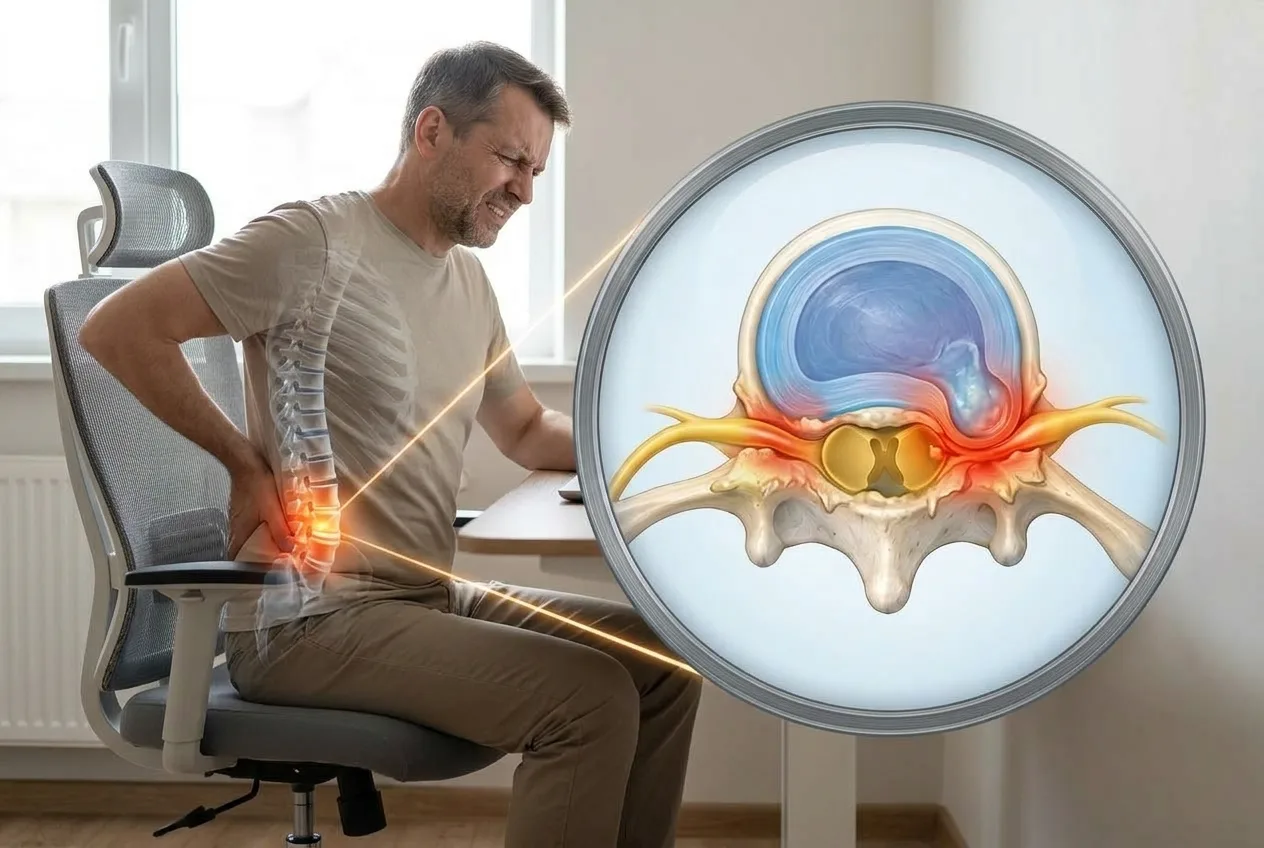
- Spinal pathology, such as lumbar disc herniation or spinal stenosis, can cause nerve root compression leading to radiating numbness into the toes.
- Persistent or progressive symptoms, especially when associated with weakness, pain, or color changes, require medical evaluation to exclude serious underlying disease.
- Management depends on the underlying cause and may include lifestyle modification, glycemic control, physiotherapy, and targeted medical treatment.
What Does Numbness in Toes Feel Like?
Numbness in toes is a sensory symptom medically referred to as paresthesia, describing abnormal or altered nerve sensations in the feet and toes. Patients often describe it as a partial or complete loss of sensation in the toes, which can vary in intensity from mild and occasional to persistent and functionally limiting.
One of the most common associated sensations is tingling in the toes, often described as “pins and needles.” This typically occurs after prolonged pressure on the feet, awkward positioning, or temporary nerve compression. In some cases, individuals may also experience a noticeable reduction in sensation, making it difficult to properly feel touch, pressure, or temperature changes.
Some patients with numb toes also report additional abnormal sensations such as a burning feeling or a sensation of coldness in the affected area. These symptoms may suggest underlying nerve irritation or early neuropathic changes rather than simple mechanical compression.
The pattern of numbness in toes is clinically important. Symptoms may affect one foot or both feet, and can present as either intermittent episodes or constant numbness. Intermittent symptoms are often linked to posture, footwear, or temporary nerve compression, while persistent symptoms may indicate conditions such as peripheral neuropathy or circulatory impairment.
Careful assessment of whether symptoms are localized or symmetrical, and whether they are progressive or episodic, provides important diagnostic clues. These patterns help differentiate benign causes from more serious underlying conditions that may require medical evaluation.
Why Are My Toes Numb? Common Causes of Numbness in Toes
Numbness in the toes can result from a wide range of underlying conditions affecting nerves, blood flow, or mechanical pressure. Understanding why your toes are numb is essential for identifying whether the symptom is temporary and harmless or a sign of a more serious medical issue. In clinical practice, the most common causes are grouped into neurological, vascular, mechanical, and systemic conditions.
1. Nerve Compression and Peripheral Neuropathy
One of the most frequent answers to why are my toes numb is nerve dysfunction, particularly peripheral neuropathy. This occurs when peripheral nerves are damaged or irritated, leading to abnormal sensations such as numbness in toes, tingling, or burning.
The most important cause is diabetes mellitus, where chronically elevated blood glucose damages small nerve fibers over time. Other common causes include alcohol-related neuropathy, which results from toxic effects of alcohol on nerve tissue, and vitamin B12 deficiency, which impairs nerve function and myelin integrity.
Certain medications may also contribute to drug-induced neuropathy, especially chemotherapy agents or long-term neurotoxic drugs. In these cases, numb toes often develop gradually and may worsen if the underlying cause is not addressed.
2. Mechanical Pressure and Footwear
Another common explanation for why are my toes numb is mechanical compression of nerves in the foot. Wearing tight or poorly fitting shoes can compress digital nerves and lead to temporary numbness in toes.
Prolonged standing or sitting in one position may also reduce nerve function or blood flow, resulting in intermittent symptoms. A specific condition known as Morton’s neuroma involves thickening of nerve tissue between the toes, often causing localized numbness, burning pain, or tingling in the forefoot.
3. Circulation Problems
Reduced blood flow is another important cause of numbness in toes. In peripheral artery disease (PAD), narrowed arteries limit oxygen delivery to the lower extremities, leading to chronic foot symptoms including numbness in toes, coldness, and fatigue during walking.
Temporary vasoconstriction due to cold exposure can also cause transient numb toes, as blood vessels narrow to preserve core temperature. In most cases, symptoms improve once normal circulation is restored.
4. Spinal and Nerve Root Issues
Sometimes the answer to why are my toes numb lies not in the foot itself but in the spine. Conditions such as lumbar disc herniation, sciatica, or spinal stenosis can compress nerve roots that supply sensation to the feet.
This type of nerve compression often causes radiating symptoms, meaning numbness in toes may be accompanied by lower back pain, leg pain, or weakness. The distribution of symptoms often follows a specific nerve pathway, helping clinicians identify the level of spinal involvement.
5. Other Less Common Causes
In some cases, numb toes may be linked to systemic or neurological diseases. Multiple sclerosis, although less common, can affect central nervous system pathways and lead to sensory disturbances.
Infections that affect nerves, as well as autoimmune disorders such as lupus or vasculitis, may also contribute to numbness in toes. These conditions are typically associated with additional systemic symptoms, requiring more extensive medical evaluation.
| Cause | Typical Symptoms | Key Clinical Clues |
|---|---|---|
| Peripheral Neuropathy (e.g. Diabetes, B12 deficiency) | Gradual numbness in toes, tingling, burning sensation, reduced sensation in feet | Symmetrical symptoms, chronic progression, history of diabetes or alcohol use |
| Mechanical Compression (tight shoes, Morton’s neuroma) | Intermittent numb toes, localized tingling or sharp forefoot discomfort | Worsens with footwear or prolonged standing, improves with rest |
| Peripheral Artery Disease (PAD) | Cold feet, numbness in toes, fatigue or pain when walking | Reduced pulses, risk factors (smoking, diabetes, hypertension) |
| Spinal Nerve Compression (disc herniation, sciatica) | Radiating numbness from lower back to toes, possible leg pain or weakness | Asymmetrical symptoms, associated back pain, nerve distribution pattern |
| Systemic / Neurological Causes (MS, autoimmune, infections) | Variable numbness in toes, possible multi-site sensory changes | Additional neurological or systemic symptoms (fatigue, vision changes, fever) |
When Is Toe Numbness a Warning Sign?
While numbness in toes is often harmless and temporary, certain patterns may indicate a more serious underlying condition. Recognizing these warning signs is essential in determining when numb toes require medical evaluation.
A key red flag is sudden onset numbness, especially if it develops without an obvious cause such as pressure or posture. This may point to acute nerve or vascular issues and should not be ignored. Similarly, numbness accompanied by one-sided weakness, particularly in the leg or foot, may indicate neurological involvement and requires prompt assessment.
Another important concern is the presence of loss of balance or coordination, which may suggest disruption of nerve signaling or central nervous system involvement. Patients who feel unsteady or experience difficulty walking alongside numbness in toes should seek medical advice.
Changes in the appearance of the foot are also clinically significant. Pain combined with swelling, discoloration, or coldness may indicate impaired circulation, infection, or inflammatory processes. In such cases, identifying why your toes are numb becomes urgent, as delayed treatment can lead to complications.
Finally, progressive or worsening symptoms are always a concern. Numbness that spreads, becomes constant, or is associated with burning pain may suggest conditions such as peripheral neuropathy or nerve compression.
In general, if numbness in toes is persistent, unexplained, or associated with other neurological or vascular symptoms, timely medical evaluation is recommended to rule out serious causes and initiate appropriate treatment.
How Is Numbness in Toes Diagnosed?
Diagnosing numbness in toes begins with a structured clinical approach aimed at identifying why your toes are numb and whether the cause is neurological, vascular, or mechanical. A thorough medical history is the first step, including the onset, duration, and pattern of symptoms, as well as associated conditions such as diabetes, alcohol use, or recent injuries.
A detailed physical examination follows, focusing on both neurological and vascular systems. Clinicians assess sensation, reflexes, muscle strength, and coordination, while also evaluating circulation through pulse checks and skin temperature. This helps differentiate between nerve-related causes and impaired blood flow.
Blood tests are commonly used to identify underlying metabolic or systemic conditions. These typically include glucose levels to screen for diabetes, vitamin B12 to assess for deficiency-related neuropathy, and thyroid function tests, as hormonal imbalances can affect nerve health.
If peripheral nerve involvement is suspected, nerve conduction studies and electromyography (EMG) may be performed. These tests measure how well electrical signals travel through nerves and can confirm conditions such as peripheral neuropathy or nerve compression.
In cases where symptoms suggest a spinal origin, imaging studies such as MRI of the lumbar spine may be required. This helps detect conditions like disc herniation, spinal stenosis, or nerve root compression that could explain persistent numb toes.
A stepwise diagnostic approach ensures accurate identification of the cause and guides appropriate treatment.
Treatment Options for Toe Numbness
The treatment of numbness in toes depends on identifying why your toes are numb and addressing the underlying cause. In many cases, a combination of lifestyle changes, medical management, and targeted therapies can significantly improve symptoms and prevent progression.
Lifestyle Changes
Simple lifestyle modifications are often the first step in managing numb toes, particularly when symptoms are mild or related to mechanical factors. Wearing properly fitting footwear is essential to avoid unnecessary pressure on nerves in the foot. Shoes that are too tight or narrow can worsen numbness in toes and contribute to nerve irritation.
Improving circulation through regular movement is also important. Prolonged sitting or standing can impair blood flow and nerve function, so incorporating walking, stretching, and periodic position changes can help reduce symptoms.
Maintaining a healthy body weight reduces stress on the lower extremities and supports both vascular and nerve health, especially in individuals with metabolic risk factors.
Medical Treatment
When numbness in toes is linked to medical conditions, targeted treatment is required. For patients with diabetes, tight glycemic control is crucial to slow or prevent progression of peripheral neuropathy.
In cases of deficiency, vitamin supplementation, particularly vitamin B12, can help restore nerve function. Identifying and correcting underlying deficiencies is an important step in reversing symptoms.
For patients experiencing discomfort, neuropathic pain medications may be prescribed. These medications help manage symptoms such as burning, tingling, or persistent numbness, although they do not treat the root cause directly.
Physical Therapy
Physical therapy plays a key role in improving nerve function and reducing symptoms. Nerve mobility exercises can help reduce nerve compression and improve signal transmission, particularly in cases related to posture or mechanical stress.
Posture correction is especially important for patients with spinal involvement, as poor alignment can contribute to nerve root compression. Additionally, strengthening exercises for the lower limbs improve stability, support joint function, and enhance overall mobility.
Treating Underlying Causes
Effective management ultimately depends on addressing the root cause of why your toes are numb. In cases related to the spine, treatment may include physiotherapy, medications, or, in some situations, specialist interventions for conditions such as disc herniation or spinal stenosis.
For patients with vascular conditions like peripheral artery disease (PAD), treatment focuses on improving blood flow through lifestyle changes, medications, and, if necessary, vascular procedures.
Clinical Insight
In clinical practice, a personalized, cause-based approach is essential for achieving optimal outcomes. Early intervention not only helps relieve numbness in toes but also plays a crucial role in preventing long-term complications and preserving nerve function.
Home Remedies and Self-Care for Numbness in Toes
For many individuals, mild or occasional numbness in toes can be managed with simple home-based strategies, especially when symptoms are related to posture, footwear, or temporary nerve compression. These approaches can help improve circulation, reduce pressure on nerves, and support overall foot health.
Regular foot exercises play an important role in maintaining nerve function and mobility. Simple movements such as toe curls, ankle rotations, and stretching the plantar fascia can help stimulate blood flow and reduce stiffness.
Warm baths or foot soaks may also provide relief, particularly in cases where poor circulation or cold exposure contributes to numb toes. Warm water helps dilate blood vessels and improve oxygen delivery to tissues.
It is equally important to avoid prolonged pressure on the feet. Sitting or standing in the same position for extended periods can impair both nerve function and circulation, so regular movement and position changes are recommended.
Additionally, massage and gentle stretching can help relieve tension in the foot muscles and improve local blood flow. These techniques may reduce symptoms of tingling in toes and promote relaxation.
While these self-care measures can be effective for mild cases, persistent or worsening numbness in toes should always be evaluated by a healthcare professional.
Can Numbness in Toes Be Prevented?
In many cases, numbness in toes can be reduced or prevented by addressing key risk factors that affect nerve function and circulation. Understanding why your toes are numb is important, but consistent preventive habits play a crucial role in long-term foot health.
Key prevention strategies:
- Diabetes prevention and control
Maintaining stable blood glucose levels helps protect peripheral nerves and significantly reduces the risk of developing neuropathy, one of the leading causes of numb toes. - Healthy circulation habits
Avoid smoking, stay well hydrated, and minimize prolonged sitting or standing. Regular movement supports blood flow and helps prevent vascular-related numbness in toes. - Proper footwear
Wear shoes that fit well and provide adequate support. Tight or poorly fitting footwear can compress nerves and contribute to numb toes over time. - Regular physical activity
Engage in walking, stretching, and low-impact exercise. Physical activity improves circulation, supports nerve health, and reduces the risk of persistent symptoms.
By consistently applying these strategies, many cases of numbness in toes can be effectively prevented or significantly reduced.
Prognosis – Will It Go Away?
The prognosis of numbness in toes largely depends on the underlying cause and how early it is identified and managed. In many cases, particularly those related to temporary nerve compression or poor circulation, symptoms are reversible and may resolve with simple lifestyle adjustments such as improved footwear, movement, and addressing contributing factors.
However, when numb toes are caused by conditions such as peripheral neuropathy, especially in the context of diabetes, symptoms may become chronic. In these cases, the goal of treatment is not always complete reversal but rather symptom control and prevention of progression. Early intervention is key to preserving nerve function and minimizing long-term complications.
Understanding why your toes are numb allows for a more targeted approach to treatment and improves overall outcomes. Delayed diagnosis may lead to worsening nerve damage, making recovery more difficult.
Conclusion
Numbness in toes is a common symptom with a wide range of possible causes, from temporary mechanical pressure to more complex neurological or vascular conditions. While many cases are mild and self-limiting, persistent or progressive symptoms should not be ignored.
Recognizing key patterns, associated symptoms, and risk factors can help determine why your toes are numb and whether further evaluation is needed. Early diagnosis and a structured, cause-based approach to treatment significantly improve outcomes and reduce the risk of long-term complications.
If numb toes are ongoing, worsening, or accompanied by other concerning symptoms, seeking medical advice is an important step toward accurate diagnosis and effective management.
Mauermann ML, Staff NP. Peripheral Neuropathy: A Review. JAMA. 2026;335(3):255-266. doi:10.1001/jama.2025.19400. PMID: 41247746.
Zemaitis MR, Boll JM, Kato M, et al. Peripheral Arterial Disease. StatPearls Publishing. NCBI Bookshelf. View source
Ankar A, Kumar A. Vitamin B12 Deficiency. StatPearls Publishing. NCBI Bookshelf. View source
CDC. Diabetes and Your Feet. View source
American Diabetes Association. Diabetes and Your Feet. View source