
Pinched Nerve in Hip (nerve entrapment) is an often overlooked cause of hip and pelvic pain, especially in physically active individuals and athletes. Hip pain without clear joint disease can be difficult to interpret because symptoms may originate from bones, joint structures, muscles, tendons, or nerves. While many joint-related hip conditions are now well recognized, nerve-related causes remain less clearly understood and frequently underdiagnosed.
Nerve entrapment (pinched nerve) in hip and pelvic region occurs when a peripheral nerve is compressed or irritated as it passes near muscles, tendons, ligaments, or bony structures. Repetitive loading, prolonged postures, increased mechanical strain, or local trauma can impair normal nerve gliding and lead to symptoms such as burning pain, sharp shooting sensations, numbness, or tingling.
In this guide, we will explore the causes, symptoms, diagnosis, and treatment options for a pinched nerve in hip, helping you better understand this often-missed source of hip pain and how it can be effectively managed.
What Is a Pinched Nerve in Hip?
A pinched nerve in the hip refers to a condition in which a peripheral nerve in the hip or pelvic region becomes compressed, irritated, or restricted along its course. This compression interferes with normal nerve function and can lead to pain, altered sensation, or weakness in the areas supplied by the affected nerve.
Unlike joint-related hip pain, which typically originates from the hip joint itself (such as arthritis or labral injury), nerve-related pain arises from structures outside the joint. Nerve entrapment can occur as the nerve passes between muscles, beneath ligaments, around bony structures, or through narrow anatomical tunnels. When normal nerve gliding is limited, even everyday movements can provoke symptoms.
A key challenge with hip nerve entrapments is that their symptoms often mimic other musculoskeletal conditions. Pain may be felt in the buttock, groin, thigh, or even radiate down the leg, leading to frequent misdiagnosis as muscle strain, lower back pathology, or joint disease. Because nerve entrapments are considered extra-articular sources of hip pain, they are often overlooked unless specifically evaluated.
Understanding what a pinched nerve in hip truly represents is essential for accurate diagnosis and effective treatment, as management strategies differ significantly from those used for muscle, tendon, or joint-related disorders.
Common Causes of a Pinched Nerve in the Hip
A trapped nerve in hip occurs when surrounding tissues—such as muscles, tendons, ligaments, or bones—apply too much pressure on a nerve. This pressure can irritate the nerve, leading to pain, tingling, or numbness that may radiate down the leg or into the groin. Understanding the underlying cause is key to effective treatment and preventing long-term problems.
Some of the most common causes include:
- Muscle tightness or spasms: Overworked or tight muscles in the hip, glutes, or lower back can compress nearby nerves, especially in athletes or people who sit for long periods.
- Injury or trauma: Falls, accidents, or sudden impacts can cause swelling or structural changes that trap nerves.
- Structural abnormalities: Variations in bone shape, ligament thickness, or joint alignment can increase the likelihood of nerve entrapment.
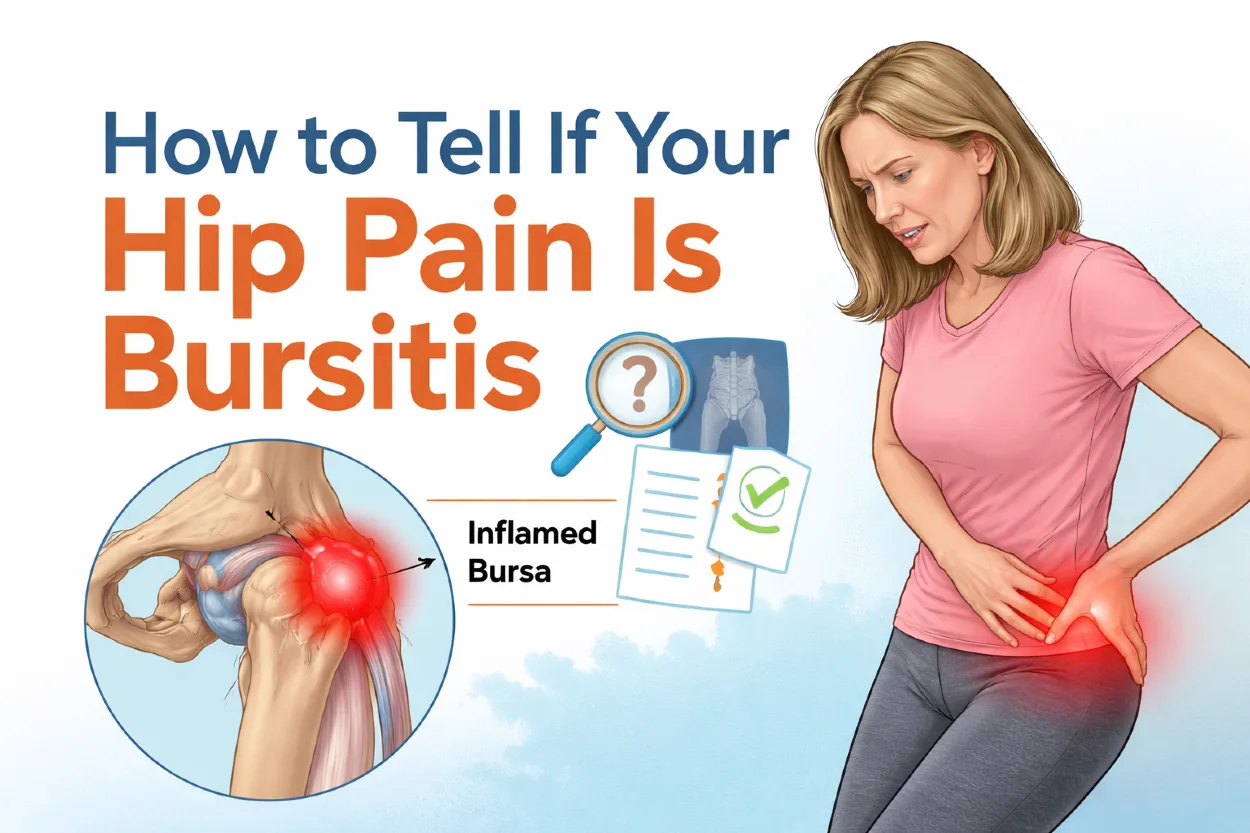
- Inflammation and swelling: Conditions like bursitis or tendinitis can cause surrounding tissues to swell, indirectly pressing on nerves.
Because hip pain can originate from multiple sources, it’s not always obvious that a nerve is involved. A detailed medical assessment is often needed to pinpoint the exact cause and guide proper treatment.
Most Common Nerves Affected in the Hip and Pelvic Region
Several nerves pass through the hip and pelvic region, and any of these can become compressed or irritated, leading to pain, tingling, or numbness. Identifying the specific nerve involved is crucial for effective treatment, as symptoms and management can vary depending on the affected nerve.
1. Sciatic Nerve
The sciatic nerve is the largest nerve in the body and one of the most commonly affected in the hip and pelvic region. It originates in the lower spine and passes through the buttock and hip area before traveling down the back of the leg.
Compression or irritation of the sciatic nerve in the hip can occur due to muscle tightness (especially the piriformis muscle), prolonged sitting, trauma, or anatomical variations.
Symptoms typically include deep buttock pain, burning or shooting pain radiating down the leg, numbness, tingling, or weakness. Pain often worsens with sitting, bending, or prolonged hip flexion.
2. Pudendal Nerve
The pudendal nerve supplies sensation to the perineum and external genital area and plays an important role in bladder, bowel, and sexual function.
Pudendal nerve entrapment usually occurs as the nerve passes between ligaments or through narrow anatomical tunnels in the pelvis. Common causes include prolonged sitting (especially on hard surfaces), cycling, pelvic trauma, or previous pelvic surgery.
Symptoms often include burning, sharp, or aching pain in the pelvic or genital region, numbness, or increased discomfort when sitting, with partial relief when standing or lying down.
3. Obturator Nerve
The obturator nerve can become compressed as it passes through the obturator canal or more distally beneath the fascia of the adductor muscles on the inner thigh.
Entrapment most commonly causes pain in the medial (inner) thigh, often starting near the groin and radiating downward along the thigh. This pain is frequently triggered or worsened by physical activity and may mimic an adductor muscle strain or tendinopathy.
A key clinical feature is that symptoms are aggravated by hip abduction and slight extension, but not by resisted adduction, which helps differentiate nerve involvement from a primary muscle injury.
4. Femoral Nerve
Femoral nerve entrapment may occur beneath the inguinal ligament, under the iliopsoas tendon, within the iliacus compartment, or more distally in the adductor canal, sometimes involving the saphenous branch.
Patients typically report pain, numbness, or tingling in the anterior thigh. When the saphenous branch is affected, symptoms may extend to the anteromedial knee, medial leg, and even the foot.
The hallmark clinical sign is weakness of the quadriceps muscle, which in severe cases can lead to muscle atrophy and a reduced or absent patellar reflex. Symptoms are often reproduced with hip extension and knee flexion, such as during the modified Thomas test.
5. Lateral Femoral Cutaneous Nerve
The lateral femoral cutaneous nerve is a purely sensory nerve and is most commonly entrapped as it passes beneath the inguinal ligament, just medial to the anterior superior iliac spine. Compression of this nerve leads to a condition known as meralgia paresthetica.
Symptoms include burning, stinging, tingling, numbness, or hypersensitivity over the outer and front part of the thigh, without muscle weakness. Discomfort is often aggravated by prolonged standing, walking, tight clothing, belts, or sports equipment. A positive pelvic compression test or Tinel’s sign over the inguinal ligament can help confirm the diagnosis.
| Nerve | Common Compression Site | Symptoms / Triggers |
|---|---|---|
| Sciatic Nerve | Piriformis muscle / Gluteal region | Buttock pain, shooting pain down the leg, numbness, tingling; aggravated by sitting, hip flexion, prolonged standing |
| Pudendal Nerve | Pelvic ligaments / Alcock’s canal | Burning, sharp, or aching pain in perineum/genital area, numbness; aggravated by sitting, cycling, hard surfaces |
| Obturator Nerve | Obturator canal / Adductor muscle fascia | Medial thigh pain, exercise-induced discomfort; aggravated by hip abduction and slight extension, mimics adductor strain |
| Femoral Nerve | Under inguinal ligament / Iliopsoas tendon / Adductor canal | Anteromedial thigh pain, numbness, quadriceps weakness; aggravated by hip extension, knee flexion, prolonged sitting |
| Lateral Femoral Cutaneous Nerve | Under inguinal ligament, medial to ASIS | Burning, tingling, numbness, hypersensitivity on anterior/lateral thigh; aggravated by tight clothing, standing, walking, belts |
Symptoms of a Trapped Nerve in the Hip
A trapped nerve in hip—also referred to as a pinched nerve in hip or nerve entrapment—can cause a wide range of symptoms depending on which nerve is affected and where the compression occurs. Symptoms may develop gradually or appear suddenly, and they often worsen with certain movements, postures, or physical activity.
One of the most characteristic symptoms is nerve-type pain, often described as burning, sharp, shooting, or electric in nature. This pain may stay localized around the hip or radiate into the thigh, groin, buttock, or down the leg, following the pathway of the affected nerve.
In addition to pain, many patients experience sensory disturbances, such as numbness, tingling, pins-and-needles sensations, or hypersensitivity of the skin. These symptoms are usually felt in a specific distribution rather than throughout the entire hip or leg, which can help distinguish nerve-related pain from muscle or joint problems.
Symptoms often change with movement or position. Certain actions—such as hip extension, prolonged sitting, walking, running, or standing—may aggravate the pain, while rest or changing posture may provide temporary relief. Tight clothing, belts, or sports equipment can worsen symptoms in some types of nerve entrapment.
In cases where motor nerves are involved, muscle weakness may develop. This can present as difficulty climbing stairs, getting up from a seated position, knee instability, or reduced endurance during activity. In more severe or long-standing cases, muscle wasting and altered reflexes may occur.
Finally, symptoms of a trapped nerve in the hip can overlap with other hip conditions, such as labral tears, tendinopathies, or lumbar spine disorders. For this reason, nerve entrapments are often underdiagnosed or misattributed to joint or muscle pathology, especially when multiple conditions coexist.
How a Pinched Nerve in Hip Is Diagnosed
Diagnosing a pinched nerve in hip can be challenging, as symptoms often overlap with other hip, pelvic, or lower back conditions. An accurate diagnosis relies on a systematic clinical approach, starting with a detailed medical history and physical examination, and using imaging or nerve tests only when necessary.
Clinical History and Physical Examination
The diagnostic process begins with a thorough discussion of the patient’s symptoms, activity level, and medical history. Important clues include the quality of pain (burning, shooting, electric), its distribution, factors that worsen or relieve symptoms, and any history of trauma, surgery, or repetitive strain.
During the physical examination, the clinician assesses posture, gait, hip and spine mobility, muscle strength, reflexes, and sensory changes. Palpation along known nerve pathways and comparison between sides can help identify areas of tenderness or symptom reproduction. The goal is to determine whether symptoms are more consistent with a nerve entrapment rather than a muscle, tendon, or joint problem.
Provocative Tests and Movement Patterns
Specific movements and clinical tests are used to reproduce symptoms and narrow down the affected nerve. These provocative tests place the nerve under tension or compression and help differentiate nerve-related pain from other sources.
For example, symptoms may be triggered by hip extension, prolonged sitting, resisted movements, or changes in pelvic position. The pattern of symptom reproduction—rather than a single test result—is often the most valuable diagnostic indicator.
Imaging (MRI and Ultrasound) – When Needed
Imaging is not always required, especially when the clinical presentation is clear. However, MRI may be useful when symptoms persist, worsen, or when other conditions such as disc herniation, labral tears, tumors, or inflammatory disease need to be ruled out.
Ultrasound can be helpful in experienced hands, particularly for visualizing superficial nerves, dynamic nerve compression, or guiding diagnostic and therapeutic injections. Importantly, imaging findings must always be interpreted in the context of clinical symptoms, as structural abnormalities do not always correlate with pain.
Role of EMG and Nerve Conduction Studies
Electromyography (EMG) and nerve conduction studies can be useful in selected cases, particularly when there is significant weakness, sensory loss, or uncertainty about the level of nerve involvement. These tests help assess nerve function and differentiate peripheral nerve entrapment from lumbar spine or systemic neurological conditions.
However, they are not routinely required and may be normal in early or mild cases of nerve entrapment.
Common Diagnostic Pitfalls
One of the most common diagnostic errors is attributing nerve pain solely to hip joint pathology or lumbar spine problems without considering peripheral nerve entrapment. Another frequent pitfall is relying too heavily on imaging findings while ignoring the clinical picture.
Because multiple conditions can coexist—especially in athletes and older adults—a pinched nerve in the hip may be missed unless it is actively considered during evaluation.
A careful, patient-centered assessment remains the most reliable way to reach the correct diagnosis.
Treatment for a Pinched Nerve in Hip
Treatment for a pinched nerve in hip depends on the underlying cause, the specific nerve involved, symptom severity, and how long the symptoms have been present. In most cases, conservative (non-surgical) treatment is highly effective, especially when started early and tailored to the individual.
The primary goals of treatment are to reduce nerve irritation, restore normal movement, address contributing mechanical factors, and prevent symptom recurrence.
1. Conservative (Non-Surgical) Treatment
Most patients improve with a combination of activity modification, physical therapy, and targeted rehabilitation. Reducing or temporarily avoiding activities that aggravate symptoms—such as prolonged sitting, repetitive hip movements, or high-impact exercise—allows the irritated nerve to settle.
Physical therapy focuses on restoring normal hip and pelvic mobility, improving muscle balance, and reducing mechanical compression on the nerve. This may include mobility exercises, gentle nerve gliding techniques, postural correction, and progressive strengthening of the core and hip muscles.
Manual therapy, soft tissue techniques, and education on proper movement patterns often play a key role in symptom relief, particularly when nerve compression is related to muscle tightness or biomechanical overload.
2. Pain Management and Medications
Pain relief may be achieved with short-term use of medications such as nonsteroidal anti-inflammatory drugs (NSAIDs), although their role is mainly symptomatic. In cases of neuropathic pain, specific medications targeting nerve-related pain may be considered under medical supervision.
Corticosteroid injections or local anesthetic nerve blocks may be used in selected cases for both diagnostic and therapeutic purposes. These injections can help reduce nerve irritation and clarify the source of symptoms but should not be considered a standalone solution.
3. Image-Guided Injections
When conservative care fails or diagnosis remains uncertain, ultrasound- or fluoroscopy-guided injections can be used to precisely target the affected nerve. These procedures may reduce inflammation, relieve pain, and allow patients to better tolerate rehabilitation exercises.
Image guidance improves accuracy and safety, particularly in deep pelvic or hip nerve entrapments.
4. Surgical Treatment – When Is It Needed?
Surgery is rarely required but may be considered when symptoms are severe, progressive, or resistant to prolonged conservative treatment. Surgical options aim to decompress the affected nerve by releasing tight structures, removing scar tissue, or correcting anatomical abnormalities.
Surgical intervention is typically reserved for well-defined nerve entrapments with clear clinical and imaging correlation and should be performed by experienced specialists.
Expected Recovery and Prognosis
The prognosis for a pinched nerve in the hip is generally good. Many patients experience significant improvement within weeks to months once the underlying cause is addressed. Early diagnosis, appropriate load management, and adherence to a structured rehabilitation program are key factors in successful recovery.
With proper treatment, most individuals can return to normal daily activities and sports without long-term limitations.
How Long Does a Pinched Nerve in Hip Take to Heal?
The recovery time for a pinched nerve in the hip can vary significantly depending on the cause, severity of nerve compression, and how early appropriate treatment begins. There is no single timeline that applies to everyone, but most cases improve with conservative management.
In mild or acute nerve irritation, where the nerve is temporarily compressed due to muscle tightness, inflammation, or prolonged posture, symptoms often improve within a few weeks. Reducing aggravating activities, correcting posture, and starting targeted physical therapy are usually sufficient for recovery.
In subacute or chronic nerve entrapment, where compression has been present for months or involves structural factors (such as thickened ligaments, scar tissue, or repetitive mechanical overload), recovery may take several months.
In these cases, improvement tends to be gradual and depends on consistent rehabilitation and addressing the underlying cause rather than relying on rest alone.
Several factors can delay healing, including prolonged sitting, continued exposure to the triggering activity, poor sleep quality, high stress levels, and inadequate rehabilitation. Ignoring symptoms or pushing through pain often prolongs recovery rather than speeding it up.
The good news is that the prognosis is generally favorable. With proper diagnosis, activity modification, and a structured treatment plan, most patients experience significant symptom reduction and return to normal daily activities without permanent nerve damage.
Early recognition and intervention remain the most important predictors of a faster and more complete recovery.
Specific Exercises and Stretches for Hip Nerve Entrapment
Exercises for hip nerve entrapment should focus on reducing neural irritation and improving movement control, not on aggressive stretching or forcing mobility. The goal is to restore normal nerve gliding, optimize hip mechanics, and reduce unnecessary compression around the nerve.

1. Gentle Nerve Gliding (Flossing)
Nerve gliding exercises help restore normal nerve movement within surrounding tissues without overstretching the nerve.
Examples include:
- Sciatic nerve glide performed in a controlled seated or lying position
- Femoral nerve glide using gentle hip extension combined with controlled knee movement
These exercises should be slow, pain-free, and symptom-limited. A mild pulling sensation is acceptable, but sharp pain, burning, or symptom reproduction is not.
2. Hip Mobility Without End-Range Compression
Instead of forcing deep stretches, focus on active hip mobility within a comfortable range.
Useful options include:
- Controlled hip flexion–extension movements
- Gentle hip rotation in neutral or mid-range positions
The emphasis should be on smooth movement and breathing, avoiding positions that provoke nerve symptoms.
3. Pelvic Control and Core Stability
Poor pelvic control can increase mechanical stress on nerves in the hip and pelvic region.
Low-load exercises such as:
- Supine pelvic tilts
- Dead bug variations
- Side-lying leg lifts with pelvic stability
help improve coordination between the core and hips without increasing nerve compression.
4. Glute Activation Without Overload
Weak or poorly coordinated gluteal muscles may contribute to excessive hip compression during daily activities.
Exercises like:
- Bridge variations
- Standing hip hinges
- Step-back lunges (within symptom-free range)
can help redistribute load away from irritated neural structures.
What to Avoid
Not all stretching is helpful in nerve-related hip pain. Common mistakes include:
- Aggressive stretching into pain
- Forcing deep hip flexion or prolonged end-range positions
- Applying the same “piriformis stretch” to every patient
If an exercise reproduces sharp, burning, or electric symptoms, it is likely irritating the nerve rather than helping it recover.
A targeted, symptom-guided approach is far more effective than generic stretching routines when managing hip nerve entrapment.
What Makes Hip Nerve Pain Worse?
Hip nerve pain is often aggravated by specific positions, activities, and external pressures that increase compression or tension on the affected nerve. Recognizing these triggers is essential for symptom control.
Prolonged sitting is one of the most common aggravating factors. Sustained hip flexion and reduced movement can limit normal nerve gliding, causing symptoms to worsen during desk work, driving, or long flights. Many patients feel relief simply by standing or changing position.
Certain sports and activities place repeated stress on hip and pelvic nerves. Cycling, rowing, and uphill running are frequent triggers due to prolonged hip flexion or high mechanical load, especially when training volume is high.
Tight belts, clothing, or equipment can directly compress superficial nerves, leading to burning, tingling, or numbness—sometimes even with mild pressure.
Poor ergonomics and movement habits, such as slouched sitting, uneven weight-bearing, or repetitive movements without adequate core control, can contribute to ongoing nerve irritation over time.
Addressing these everyday factors is often just as important as exercise or medical treatment for long-term improvement.
When to See a Doctor?
While many cases of hip nerve entrapment improve with conservative care, medical evaluation is essential if certain warning signs are present. Seek professional help if you experience:
- Progressive muscle weakness, especially difficulty lifting the leg, climbing stairs, or knee instability
- Persistent or worsening numbness, loss of sensation, or spreading sensory changes
- Loss of bladder or bowel control, or new changes in urinary or bowel function
- Severe or worsening pain that does not improve or change after 6–8 weeks of appropriate treatment
- Night pain, unexplained weight loss, or symptoms following trauma or surgery
These symptoms may indicate significant nerve compression or another serious underlying condition and require prompt medical assessment, imaging, or specialist referral.
Early evaluation helps ensure accurate diagnosis, appropriate treatment, and prevention of long-term nerve damage.
Frequently Asked Questions (FAQ)
1. Can a pinched nerve in hip heal on its own?
Yes, many mild to moderate cases improve on their own with time, activity modification, and proper rehabilitation. Reducing aggravating positions and restoring normal movement often allows the nerve to recover without invasive treatment.
2. Is walking good or bad for a trapped nerve in hip?
Walking is usually beneficial if it does not worsen symptoms. Gentle, level walking promotes circulation and mobility. However, uphill walking, long distances, or walking with poor posture may aggravate nerve compression in some individuals.
3. Can a pinched nerve in hip cause groin pain?
Yes. Entrapment of nerves such as the obturator, femoral, or pudendal nerve can cause groin or inner thigh pain. This is a common reason hip nerve pain is mistaken for muscle strain or joint pathology.
4. How do I know if my hip pain is nerve-related?
Nerve-related pain is often described as burning, sharp, shooting, or electric, and may be accompanied by numbness or tingling. Symptoms typically follow a specific nerve pathway and change with posture or movement rather than being purely local.
5. Can a pinched nerve in the hip come from the lower back?
Yes. Some symptoms that feel like hip nerve entrapment may originate from the lumbar spine, such as disc herniation or spinal stenosis. A thorough clinical evaluation is needed to distinguish peripheral nerve entrapment from spinal causes.
6. Is surgery common for hip nerve entrapment?
No. Surgery is rarely needed and is reserved for severe or persistent cases that do not respond to prolonged conservative treatment and have clear diagnostic confirmation of nerve compression.
7. Can exercise make a trapped nerve worse?
Yes, certain exercises can worsen symptoms—especially aggressive stretching, deep hip flexion, or high-load activities performed too early. Properly selected exercises focusing on nerve gliding, controlled mobility, and pelvic stability are usually helpful.
8. Recommendations for sleeping with a pinched nerve in hip?
Sleeping positions that reduce hip compression are best. Many people find relief sleeping on their back with a pillow under the knees or on the unaffected side with a pillow between the knees. Avoid prolonged positions that increase pain or numbness.
Conclusion
A trapped nerve in the hip is a frequently overlooked source of hip and pelvic pain, yet understanding its causes, symptoms, and management can make a significant difference in recovery.
Early recognition, proper diagnosis, and individualized treatment—including activity modification, physical therapy, nerve gliding exercises, and, when necessary, targeted medical interventions—are key to relieving pain and restoring function.
Most cases respond well to conservative care, and surgery is rarely needed. Awareness of aggravating factors, careful monitoring of symptoms, and timely medical consultation when warning signs appear can help prevent chronic issues and support long-term hip and nerve health.
By taking a structured, patient-centered approach, individuals can often return to daily activities and sports safely while minimizing the risk of recurrence.
Martin R, Martin HD, Kivlan BR. Nerve Entrapment in the Hip Region: Current Concepts Review. Int J Sports Phys Ther. 2017 Dec;12(7):1163-1173. doi: 10.26603/ijspt20171163. PMID: 29234567; PMCID: PMC5717491.
Ghasemi A, Pitman J, Fayad LM, Ahlawat S. MR Imaging of Entrapment Neuropathies of the Hip. Magn Reson Imaging Clin N Am. 2025 Feb;33(1):143-153. doi: 10.1016/j.mric.2024.07.001. Epub 2024 Aug 7. PMID: 39515954. ScienceDirect
McCrory P, Bell S. Nerve entrapment syndromes as a cause of pain in the hip, groin and buttock. Sports Med. 1999 Apr;27(4):261-74. doi: 10.2165/00007256-199927040-00005. PMID: 10367335. Springer
Kaur J, Leslie SW, Sakharpe AK, et al. Pudendal Nerve Entrapment Syndrome. [Updated 2025 Dec 14]. In: StatPearls [Internet]. Treasure Island (FL): StatPearls Publishing; 2025 Jan-. Available from: NCBI
Dong Q, Jacobson JA, Jamadar DA, Gandikota G, Brandon C, Morag Y, Fessell DP, Kim SM. Entrapment neuropathies in the upper and lower limbs: anatomy and MRI features. Radiol Res Pract. 2012;2012:230679. doi: 10.1155/2012/230679. Epub 2012 Oct 17. PMID: 23125929; PMCID: PMC3483739. Wiley Online Library