Tendons are strong connective tissues made of collagen fibers that connect muscles to bones. They transfer force from muscles to bones and are essential for joint movement. While tendons are highly resilient and flexible, they are also susceptible to injury from overuse or excessive stretching. High strain on tendons often occurs during repetitive activities or sudden, quick movements, such as weightlifting, gardening, playing tennis, or engaging in sports in general.
As a result of acute or chronic overloading, tendons can become inflamed, leading to tendonitis, which often causes pain. Tendon inflammation is most commonly seen in the elbow, shoulder, hip, knee, Achilles tendon, and hand.
In this article, we will explore what tendon inflammation is, how it develops, and effective natural remedies for tendonitis inflammation. Some of these methods can be done at home, while others may require a healthcare professional’s guidance.
What Is Tendon Inflammation (Tendonitis) and How Does It Develop?
In the title and introduction, the term tendon inflammation or tendonitis is used intentionally, even though it is not entirely accurate. The term tendonitis implies an inflammatory condition. However, scientific research has shown that inflammatory cells are rarely present in painful tendons.
For this reason, the more accurate medical term is tendinopathy.
Despite this, terms such as tendon inflammation and tendonitis are still commonly used in everyday language. To avoid confusion and for simplicity, these terms will occasionally be used throughout this article, even when referring to tendinopathy.
Tendinopathy describes a disorder of the tendon that is typically accompanied by pain and functional impairment. It develops as a result of a combination of internal and external factors. Many individuals have an underlying predisposition (an internal factor) that becomes problematic when triggered by external stressors such as injury or repetitive mechanical loading.
In younger individuals, tendon problems are more often associated with inflammatory conditions, acute injuries, or high physical demands, such as intensive sports activity. In older adults, tendon disorders usually develop due to gradual wear and tear, chronic overload, reduced physical conditioning, and age-related changes within the tendon tissue.
Symptoms may appear after physical overloading and often resolve within several weeks—this is referred to as acute tendinopathy. When symptoms persist for several months, the condition is considered chronic tendinopathy.
Acute Tendinopathy (Commonly Called Tendonitis)
Most people have experienced tendon pain at least once in their life—whether in the Achilles tendon, elbow, shoulder, or knee—after physical overuse. Common examples include prolonged painting or home renovation work, moving heavy furniture, repetitive hammering, running, or playing sports without adequate conditioning.
This sudden onset of tendon pain is usually the result of reactive tendinopathy, often referred to as tendonitis. It may also occur after a direct blow to the tendon. Acute tendon pain is typically associated with temporary thickening of the tendon, but without the presence of inflammatory cells.
With adequate rest and load reduction, pain usually resolves within days or weeks, and the tendon often recovers without lasting structural damage.
Chronic Tendinopathy (Tendinosis)
If excessive loading continues, the tendon may fail to recover from repeated mechanical stress. This leads to incomplete healing and the development of chronic tendinopathy, which is more common in older individuals. As tendons age, their resilience and natural healing capacity decrease, making adaptation and recovery more difficult.
Importantly, tendinopathy does not affect only highly active individuals. It is also frequently seen in sedentary people. In such cases, the problem lies in insufficient physical conditioning, where the tendon is unable to tolerate even normal daily loads. Examples include Achilles tendinopathy in non-athletes or tennis elbow in individuals who spend long hours working at a computer.
In chronic tendinopathy, the tendon undergoes significant structural changes. These include cell death, areas of tissue degeneration, disorganized collagen, and abnormal blood vessel growth. Healthy and damaged tissue often coexist within the same tendon. At this stage, the tendon’s ability to heal is reduced, and some changes may be irreversible.
Pain in chronic tendinopathy may be present or absent, meaning that the severity of structural damage does not always correlate with pain intensity.
Most Common Sites of Tendon Inflammation
Tendon disorders (tendinopathies) are a very common cause of musculoskeletal pain. It is estimated that tendons are responsible for pain in up to one third of patients seeking medical care for musculoskeletal conditions. In clinical practice, tendinopathies most frequently affect specific anatomical regions exposed to repetitive load or mechanical stress.
The most common sites of tendon inflammation include:
- Shoulder tendon inflammation
Most commonly affects the rotator cuff tendons and the tendon of the long head of the biceps. Shoulder tendinopathy often causes pain with overhead movements, reaching, or lying on the affected side. - Elbow tendon inflammation
Frequently seen as tennis elbow (lateral epicondylitis) or golfer’s elbow (medial epicondylitis). These conditions are commonly associated with repetitive gripping, lifting, or prolonged computer work. - Hand and wrist tendon inflammation
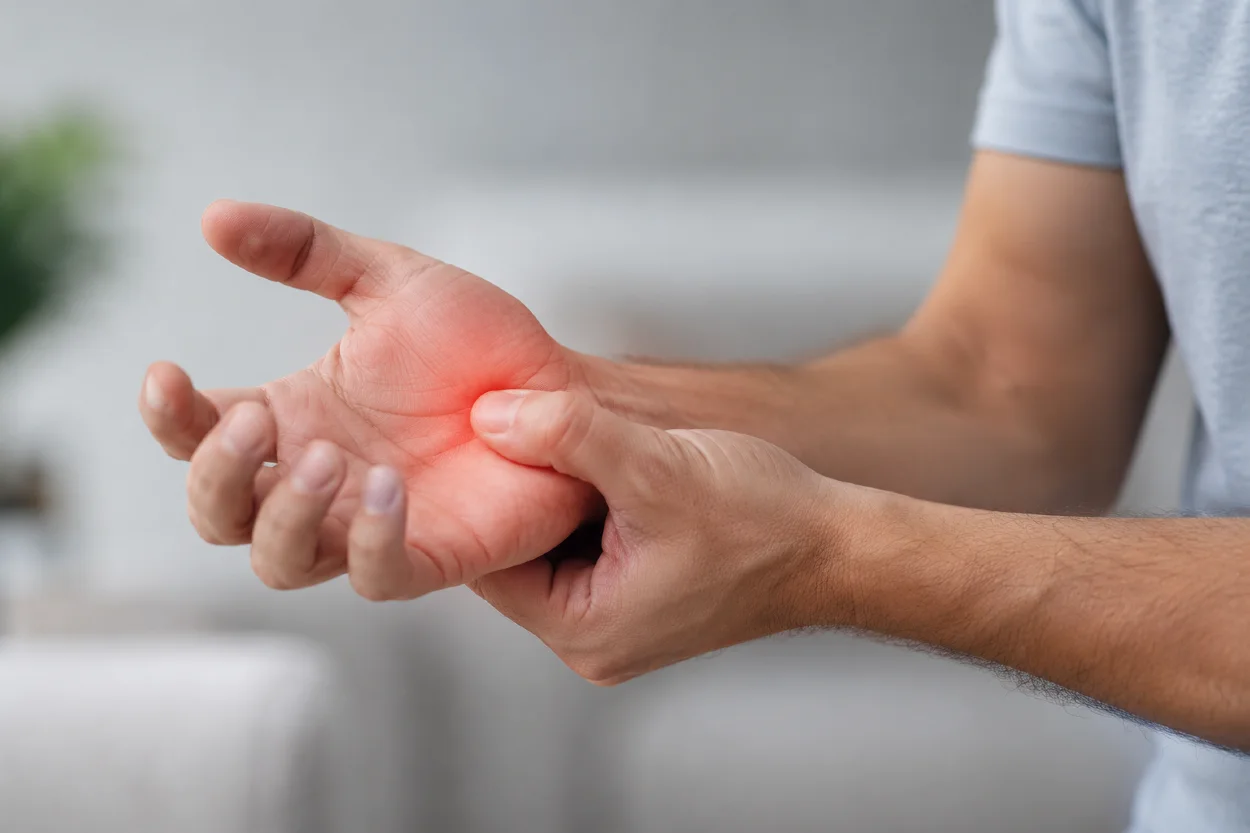
Includes conditions such as De Quervain’s tenosynovitis and trigger finger. These disorders often develop due to repetitive hand movements or prolonged strain. - Knee tendon inflammation
Most commonly presents as patellar tendinopathy, also known as jumper’s knee. It is frequently seen in athletes involved in jumping, running, or sudden changes of direction. - Foot and ankle tendon inflammation
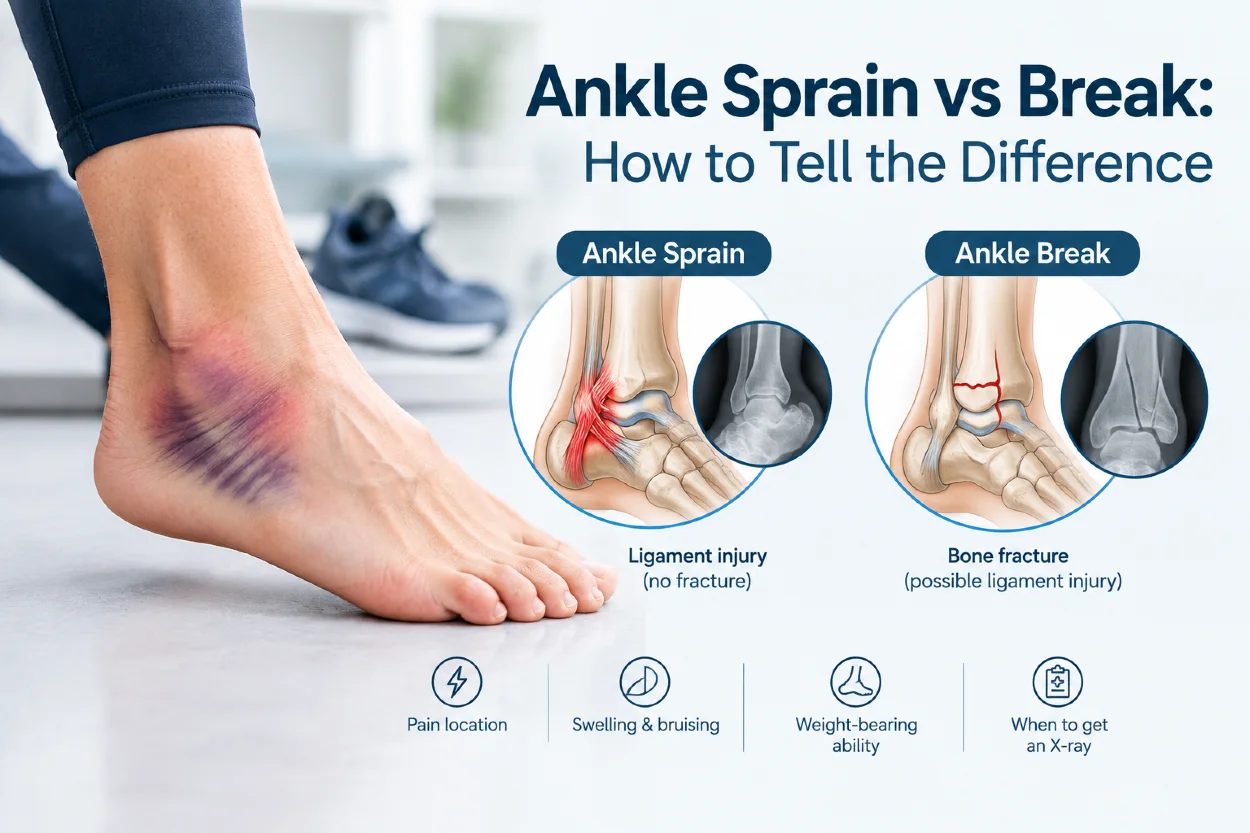
The most common form is Achilles tendinopathy, particularly prevalent among runners and physically active individuals. Other frequently affected tendons include the peroneal tendons and the posterior tibial tendon. - Hip tendon inflammation
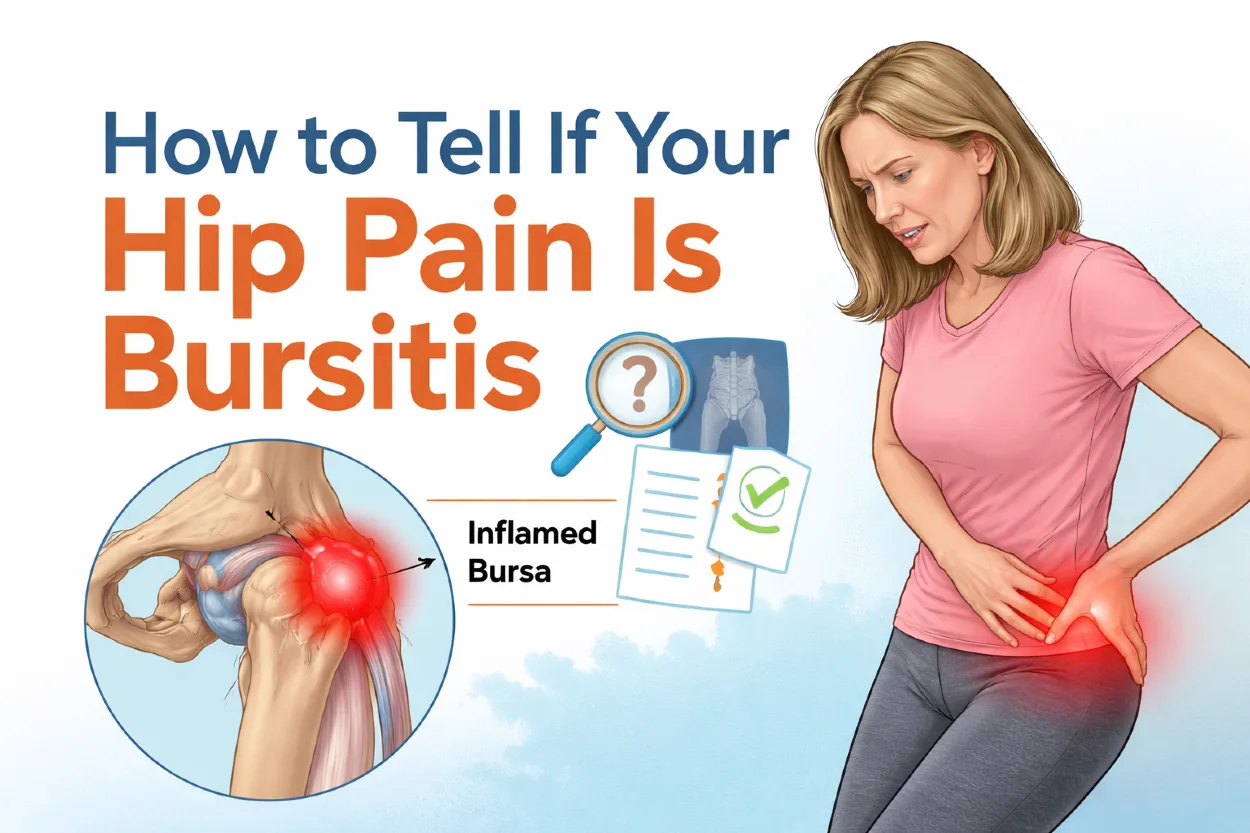
Gluteal tendinopathy, often referred to as greater trochanteric pain syndrome, is a very common cause of lateral hip pain, especially in middle-aged and older adults.
7 Natural Remedies for Tendonitis Inflammation
The treatment of tendonitis primarily depends on the underlying cause, the location of the affected tendon, the severity of symptoms, the patient’s age, and whether the condition is acute or chronic.
The natural remedies presented in this article can help reduce pain, improve tendon function, and support the healing process. However, if symptoms do not improve with home-based treatment within 2 to 4 weeks, or if pain progressively worsens, medical evaluation is recommended to rule out more serious tendon pathology and to guide further treatment.
Instead of relying solely on anti-inflammatory medications or corticosteroid injections, many cases of tendon pain can be effectively managed with conservative, natural approaches. These methods focus on reducing excessive load, improving tendon capacity, and supporting the body’s own healing mechanisms rather than simply masking symptoms.
Below are seven evidence-based natural remedies that can help relieve tendon pain and inflammation and promote long-term recovery when applied correctly and consistently.
1. Load Management and Relative Rest
Tendonitis often develops as a result of overuse or excessive loading of a specific tendon, which is why appropriate rest plays a key role in recovery. Reducing load allows the irritated tendon to calm down and begin the healing process.
However, complete bed rest is rarely necessary. In most cases, relative rest is sufficient, meaning that only the affected tendon or joint should be rested. For example, a person with shoulder tendonitis should limit activities involving the painful arm, while someone with knee or Achilles tendon pain should temporarily reduce sports participation and avoid excessive walking or running.
During this phase, it is important to avoid repetitive or high-load movements that may further irritate the tendon, as continued overload can delay healing and prolong symptoms.
In the majority of cases, acute tendonitis (reactive tendinopathy) improves within a few weeks when load is appropriately managed. As pain begins to subside, a gradual and controlled return to daily activities and exercise is essential to restore tendon function and prevent recurrence.
2. Cold Therapy (Ice)
Another natural remedy for tendonitis inflammation is the use of cold therapy. Applying ice or cold packs to a painful tendon may help reduce pain because cold acts as a mild anesthetic, temporarily decreasing nerve sensitivity. One common theory suggests that cold therapy reduces “inflammation” by decreasing blood flow to the affected area, which in turn slows down metabolic activity.
However, the use of ice in tendon injuries remains controversial. Scientific evidence suggests that excessive cooling may slow or even inhibit the natural healing process. Inflammation is a normal and necessary early phase of tissue repair, and suppressing it too aggressively may delay recovery rather than support it.
Caution is required when using ice. Prolonged or excessive reduction of blood flow may increase the risk of tissue or nerve injury, and applying ice directly to the skin can cause frostbite.
For this reason, ice should never be applied directly to the skin. Instead, use a cold pack or a bag of frozen vegetables wrapped in a towel. Cold therapy is best applied for 10–15 minutes, several times per day, in combination with relative rest. In most cases, ice should not be used for longer than 5–7 days.
Cold therapy is most appropriate in acute tendon pain or reactive tendinopathy, while its benefit in chronic tendinopathies is limited.
3. Heat Therapy
In contrast, heat therapy is generally more suitable for chronic tendon pain and stiffness, rather than acute flare-ups. Heat increases blood flow to the area, promotes muscle relaxation, and improves tissue extensibility, which may help reduce stiffness and discomfort around the affected tendon.
Applying heat can be particularly helpful before exercise or stretching, as it prepares the surrounding muscles and soft tissues for movement. Heat should not be used when there is significant swelling, redness, or acute pain, as it may increase symptoms in the early inflammatory phase.
Safe options include warm compresses, heating pads, or warm showers. Heat can be applied for 15–20 minutes, once or twice daily, ensuring the temperature is comfortable and does not cause skin irritation or burns.
4. Nutrition and Anti-Inflammatory Diet
Nutrition plays an important supportive role in the natural management of tendonitis. Plant-based compounds and anti-inflammatory foods have shown increasing potential as relatively safe adjuncts in reducing tendon pain and supporting tissue healing. Their benefits are linked to anti-inflammatory and antioxidant properties, a lower risk of side effects compared to long-term medication use, and a possible role in tendon regeneration.
Although early research is promising, it is important to emphasize that high-quality clinical studies are still limited, and nutritional interventions should be viewed as complementary rather than standalone treatments.
- Turmeric (Curcumin): Contains curcumin, a bioactive compound with anti-inflammatory and antioxidant effects; a 2023 review suggests it may help reduce inflammation and support tendon healing, especially when combined with black pepper (piperine) to improve absorption.
- Ginger: Has natural anti-inflammatory properties and may reduce muscle pain after physical activity, but there is currently no strong evidence specifically supporting its effectiveness for tendonitis.
- Bromelain: An enzyme derived from pineapple stems with anti-inflammatory effects; limited evidence exists for tendon disorders, with small animal studies suggesting potential benefit but insufficient human data.
- Other Plant-Based Compounds: Substances such as green tea polyphenols, avocado–soybean unsaponifiables, and quercetin may have anti-inflammatory effects, but current clinical evidence is limited and inconclusive.
Important Safety Note
Before starting any new dietary supplement, it is essential to consult a healthcare professional, especially if you are pregnant, have underlying medical conditions, or take prescription medications. Herbal supplements can interact with medications, and professional guidance is necessary to ensure safe and appropriate use.
5. Therapeutic Exercises and Progressive Strengthening
Exercises are an essential part of naturally managing tendon inflammation, but they must be tailored to the stage of the condition to be safe and effective. During the acute phase, the focus is on reducing pain and irritation, while in the chronic phase, the goal is to restore tendon strength and joint function.
Acute Phase Exercises
In the acute phase, usually marked by pain and irritation, the main goal is to reduce tendon stress and prevent further damage. Recommended strategies include:
- Rest and load management: Limit activities that strain the affected tendon to allow healing. Complete bed rest is rarely needed; focus on resting only the affected joint.
- Passive movements: Gentle, pain-free range-of-motion exercises help maintain mobility without stressing the tendon.
- Isometric exercises: Muscle contractions without joint movement can reduce pain and maintain tendon strength.
Examples:
- Quadriceps or patellar tendon isometric contraction: Sit or lie down and extend the affected leg. Tighten the quadriceps muscle and hold for 5–10 seconds. Repeat 5–10 times.
- Achilles tendon isometric exercise: Sit and place your foot against a wall or edge of the bed. Press gently without moving the ankle, hold for 5–10 seconds. Repeat 5–10 times.
- Gentle passive flexion and extension: Slowly move the affected joint through its range of motion until a mild stretch is felt, avoiding pain.
Chronic Phase Exercises
In the chronic phase, characterized by long-term pain, tendon degeneration, and reduced function, exercises aim to rebuild strength and improve tendon elasticity through progressive loading. Key strategies include:
- Eccentric exercises: These involve lengthening the muscle under tension (e.g., slowly lowering in a squat or lowering an arm while holding a weight). Eccentric exercises are proven to improve chronic tendinopathy by restoring tendon strength and mechanical properties while reducing pain.
- Progressive loading: Gradually increase the intensity and resistance of exercises to help the tendon adapt.
- Stretching and mobilization: Maintain flexibility and reduce tension in surrounding muscles.
Examples:
- Alfredson protocol for Achilles tendinopathy: Stand on the edge of a step, rise onto your toes, then slowly lower your heel below the step. Perform gradually over 12 weeks, increasing load as tolerated.
- Resistance exercises: Use elastic bands, weights, or body weight to strengthen tendons in various joints. Increase resistance gradually as strength improves.
General Exercise Guidelines
- Monitor pain: Mild discomfort is acceptable, but pain should not worsen or persist. Stop or reduce intensity if pain increases.
- Regular stretching: Maintain flexibility to prevent further tendon injury.
- Gradual progression: Slowly increase exercise intensity and load as symptoms improve.
6. Manual Therapy and Soft Tissue Techniques
Manual therapy and soft tissue techniques can support tendon healing by improving blood flow, reducing stiffness, and promoting tissue regeneration. Self-massage, foam rolling, or therapy sessions with a qualified physical therapist can help release tension in surrounding muscles and improve mobility.
These approaches are particularly beneficial in the subacute and chronic phases of tendinopathy, supporting exercise therapy and enhancing recovery without overstressing the tendon.
7. Proper Footwear and Ergonomic Adjustments
Proper footwear and ergonomics play a crucial role in reducing tendon overload. Supportive shoes with adequate cushioning and arch support help protect lower limb tendons, particularly the Achilles tendon, during walking, running, or jumping activities.
For upper limb tendons such as those in the elbow or shoulder, adjusting desk height, keyboard position, and posture can minimize repetitive strain. Implementing these adjustments complements exercise therapy and prevents further tendon irritation.
8. Sleep, Recovery, and Stress Management
Sleep, recovery, and stress management are often overlooked but essential for tendon health. Quality sleep supports tissue repair and reduces inflammation, while planned rest and active recovery days prevent overloading tendons.
Chronic stress can impair healing and increase susceptibility to injury, so incorporating relaxation techniques such as mindfulness, deep breathing, or gentle yoga can improve recovery and enhance long-term tendon resilience.
Conclusion
Tendonitis, or more accurately tendinopathy, is a complex condition that rarely resolves with rest or medication alone. While pain is often described as “inflammation,” most chronic tendon problems are driven by structural changes within the tendon rather than active inflammation.
Natural remedies for tendonitis inflammation can be highly effective when they address the real underlying problem: excessive or poorly managed load combined with reduced tendon capacity. Load management, progressive strengthening, appropriate use of cold or heat, supportive nutrition, manual therapy, proper ergonomics, and adequate recovery all work together to support tendon healing.
There is no single universal solution. Successful recovery depends on consistency, patience, and gradually restoring the tendon’s ability to tolerate everyday and athletic demands. When applied correctly, conservative and natural approaches can not only relieve pain but also reduce the risk of recurrence and long-term tendon degeneration.
When to See a Doctor for Tendon Pain
Although most cases of tendon pain improve with appropriate self-care and conservative management, medical evaluation is recommended in certain situations.
You should consult a healthcare professional if tendon pain persists longer than 4–6 weeks despite reduced load and exercise modification, if pain progressively worsens, or if it interferes significantly with daily activities or sleep. Sudden weakness, loss of function, or sharp pain following a specific injury may indicate a partial or complete tendon tear and requires prompt assessment.
Medical evaluation is also advised if tendon pain is accompanied by significant swelling, redness, fever, or systemic symptoms, as these may indicate infection or other non-mechanical causes. Early diagnosis and guided treatment can prevent progression to chronic tendinopathy and reduce the risk of long-term complications.
Frequently Asked Questions (FAQ)
1. How long does tendonitis take to heal naturally?
Acute tendon pain often improves within a few weeks when load is appropriately reduced. Chronic tendinopathy may take several months to improve, especially if structural tendon changes are present. Recovery time depends on the severity of the condition, the tendon involved, and adherence to progressive rehabilitation.
2. Should I completely stop exercising if I have tendonitis?
Complete rest is rarely recommended. Instead, relative rest and load modification are preferred. Avoid activities that provoke pain while maintaining pain-free movement and gradually reintroducing exercise through controlled, progressive loading.
3. Is tendonitis really an inflammatory condition?
In most chronic cases, tendon pain is not caused by active inflammation. Research shows that degenerative changes within the tendon are more common than inflammatory processes. This is why strengthening and load management are more effective than relying solely on anti-inflammatory treatments.
4. Is ice or heat better for tendon pain?
Ice may help reduce pain during the acute phase, particularly in the first few days after overload or injury. Heat is generally more suitable for chronic tendon stiffness and should be used before exercise or stretching. The choice depends on the stage of the condition and individual response.
5. Can tendonitis heal without medication or injections?
Yes. Many cases of tendon pain improve with conservative, non-pharmacological approaches such as exercise therapy, load management, and lifestyle adjustments. Medications and injections may relieve symptoms temporarily but do not address the underlying tendon adaptation problem.
6. Does pain always mean the tendon is getting worse?
Not necessarily. Pain levels do not always correlate with the degree of tendon damage. In chronic tendinopathy, pain may fluctuate even as tendon strength improves. Monitoring function and load tolerance is often more important than focusing on pain alone.
Khan KM, Cook JL, Kannus P, Maffulli N, Bonar SF. Time to abandon the “tendinitis” myth. BMJ. 2002 Mar 16;324(7338):626–627. doi: 10.1136/bmj.324.7338.626. PMID: 11895810; PMCID: PMC1122566. BMJ Full Text
Federer AE, Steele JR, Dekker TJ, Liles JL, Adams SB. Tendonitis and Tendinopathy: What Are They and How Do They Evolve? Foot Ankle Clin. 2017 Dec;22(4):665–676. doi: 10.1016/j.fcl.2017.07.002. Epub 2017 Sep 27. PMID: 29078821. ScienceDirect
Steinmann S, Pfeifer CG, Brochhausen C, Docheva D. Spectrum of Tendon Pathologies: Triggers, Trails and End-State. Int J Mol Sci. 2020 Jan 28;21(3):844. doi: 10.3390/ijms21030844. PMID: 32013018; PMCID: PMC7037288. PubMed