
Tailbone pain during pregnancy — also known as coccydynia — refers to pain or discomfort in the coccyx, the small triangular bone at the bottom of the spine. This pain can appear suddenly after a fall, prolonged sitting, or childbirth, or it may develop gradually without a clear cause.
During pregnancy, tailbone pain is often triggered by hormonal and postural changes. As the body releases relaxin and other hormones that loosen pelvic ligaments, the shifting posture and added pressure from the growing uterus place extra strain on the coccyx. This can make sitting, standing, or moving from one position to another uncomfortable.
Although tailbone pain during pregnancy can be quite distressing, it’s usually temporary. With proper posture, supportive cushions, and gentle exercises, most expectant mothers find meaningful relief and maintain comfort throughout the later stages of pregnancy.
What Is the Tailbone and Why It Matters
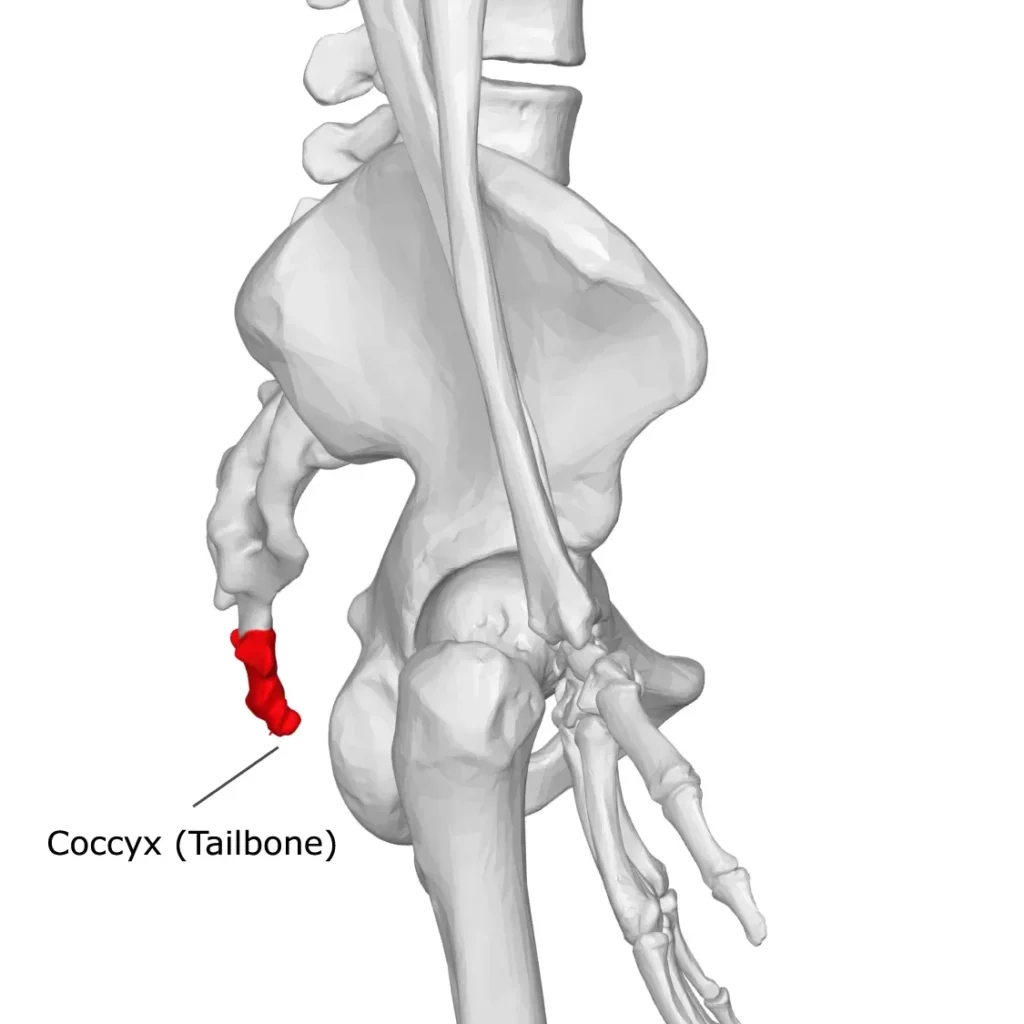
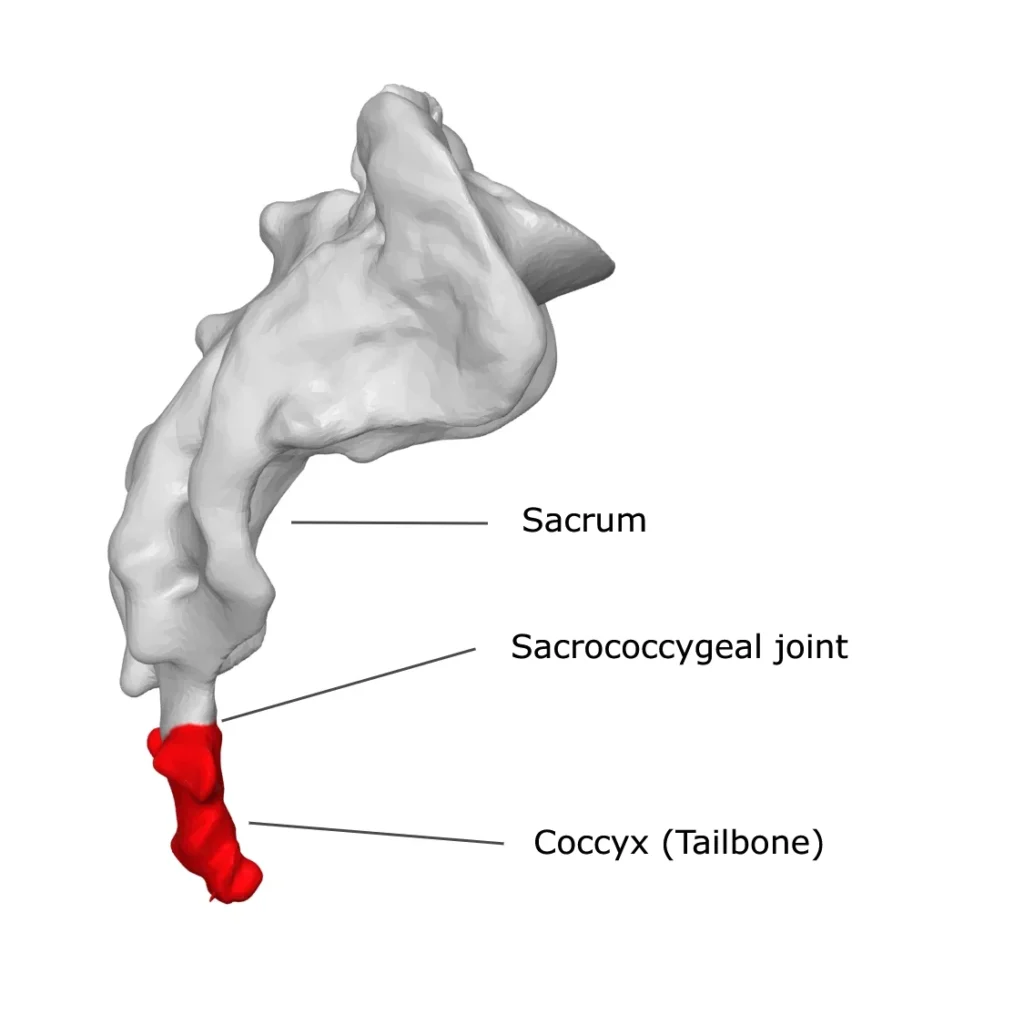
The coccyx, commonly referred to as the tailbone, is the terminal part of the spine. Although the name suggests a single bone, the coccyx is actually composed of three to five small vertebrae, which can be fused to varying degrees among individuals. It connects to the sacrum via the sacrococcygeal joint, which includes a small intervertebral disc and minor lateral joints on either side.
A slight degree of movement is possible at the sacrococcygeal joint, usually a forward tilt when sitting or under load. Functionally, the coccyx, together with the left and right ischial tuberosities, forms a tripod-like support that stabilizes the body during sitting and helps evenly distribute weight.
The coccyx also serves as an attachment site for numerous pelvic muscles and ligaments, contributing to the stability of the pelvic floor and support of the internal organs. Pelvic floor muscles also play a key role in voluntary control of the bladder and bowels, making them essential for physical, social, and sexual health. Notably, the word coccyx derives from the Greek term for “cuckoo’s beak,” due to its side profile resembling the bird’s beak.
Importantly, the coccyx forms part of the obstetric outlet, which is crucial for the space available to the fetus during childbirth. The coccyx can extend slightly during labor, allowing for easier passage of the baby, and it also extends during defecation. Additionally, it is the site of attachment for the levator ani muscles, which play a key role in voluntary control of the bladder and bowels, making them essential for physical, social, and sexual health.
Causes of Tailbone Pain During Pregnancy
Tailbone pain during pregnancy, also known as coccydynia, can develop for several reasons — most of which are related to the natural physical and hormonal changes that occur in the body during this period. While this pain is often temporary, it can range from mild discomfort to sharp, persistent pain that makes sitting or standing difficult.
1. Hormonal changes and ligament laxity
During pregnancy, the body produces higher levels of the hormones relaxin and progesterone. These hormones loosen the ligaments in the pelvis to prepare for childbirth. However, this increased flexibility can also make the coccyx (tailbone) more mobile and vulnerable to strain or inflammation. Even small movements — like sitting down or standing up — can cause irritation around the sacrococcygeal joint, resulting in localized pain.
2. Postural and biomechanical changes
As the pregnancy progresses, the growing uterus shifts the body’s center of gravity forward. To compensate, many women naturally adjust their posture, arching the lower back and tilting the pelvis. These biomechanical adaptations increase pressure on the coccyx and the surrounding muscles, particularly when sitting for long periods. Prolonged sitting on hard surfaces or in slouched positions can further aggravate the discomfort.
3. Pressure from the growing uterus and fetal position
In later stages of pregnancy, the expanding uterus and the baby’s position can exert direct pressure on the coccyx. When the fetus descends into the pelvis, especially in the third trimester, the tailbone may be compressed or pushed backward. This mechanical pressure can make sitting or leaning backward particularly painful.
4. Previous trauma or coccyx hypermobility
Women who have previously experienced a coccyx injury — such as a fall onto the buttocks or a difficult childbirth — may have residual instability or sensitivity in the area. During pregnancy, this preexisting condition can flare up due to additional pelvic stress and ligament laxity.
5. During labor and after childbirth
The coccyx plays a role in forming part of the birth canal and naturally moves backward during delivery to make more space for the baby. However, in some cases, excessive pressure during labor can cause the coccyx to bruise, dislocate (sublux), or even fracture. Postpartum tailbone pain is therefore not uncommon, especially after a prolonged or difficult vaginal delivery.
Symptoms and how to recognize coccyx pain during pregnancy
Tailbone pain during pregnancy is usually felt at the very bottom of the spine, in the area of the coccyx or the lower part of the sacrum. Many women describe it as sharp, stabbing, or dull pain that can vary in intensity from mild and occasional to severe and persistent, often interfering with daily activities.
The pain typically worsens when sitting, especially on hard or flat surfaces. Sitting with the body weight leaning backward increases the pressure on the tailbone, which can quickly aggravate discomfort. Even gentle pressure on the coccyx area can reproduce or intensify the pain.
Changing positions can also trigger discomfort — for instance, standing up from a sitting position may cause a sudden, sharp pain that eases after a few steps. In some women, symptoms may also worsen during prolonged standing or when bending backward.
During pregnancy, hormonal changes and additional weight increase the strain on the pelvic floor muscles and ligaments attached to the coccyx. Because of this, the pain can radiate to nearby structures — some women describe pain that extends toward the rectum or pelvis, especially during bowel movements.
In certain cases, tailbone pain during pregnancy can become more noticeable during sexual intercourse, due to increased pelvic congestion, ligament and muscle tension.
When to Talk to Your Doctor
While most cases of sore coxis during pregnancy are mild and resolve with simple self-care measures, it is important to seek professional evaluation if any of the following occur:
- Severe, persistent, or radiating pain – if the pain is constant, intense, or spreads to the hips or legs, it may require further assessment.
- Numbness, weakness, or changes in bladder or bowel function – these symptoms can indicate nerve involvement and should never be ignored.
- Recent trauma or suspected coccyx fracture – any fall or injury causing sudden tailbone pain warrants medical attention.
Although the majority of cases are benign and manageable with conservative approaches, consulting a healthcare professional ensures proper evaluation and guidance, especially during pregnancy when treatment options may be limited.
How Tailbone Pain is Assessed in Pregnancy
Diagnosing tailbone pain during pregnancy primarily relies on a thorough patient history and careful clinical examination. The healthcare provider will ask about the duration, intensity, and circumstances of the pain — for example, whether it began after a fall, during previous childbirth, or from prolonged sitting. Understanding these details is crucial for identifying potential causes and tailoring safe management during pregnancy.
During the physical examination, the clinician may inspect the skin around the coccyx for signs of infection, pilonidal cysts, or other abnormalities. While a digital rectal (digitorectal) examination can help assess coccyx mobility and tenderness, it is usually performed cautiously and only if necessary. Pregnant patients are encouraged to communicate precisely where the pain is most intense, as coccyx pain typically localizes lower and more centrally than other types of lower back or sacroiliac discomfort.
Imaging studies are rarely required during pregnancy. X-rays (radiographs) and CT scans are generally avoided due to radiation exposure risks. In exceptional cases where imaging is necessary, MRI is considered safe and can provide detailed information about soft tissues and any structural changes.
Most cases of tailbone pain during pregnancy can be diagnosed clinically without the need for imaging.
Safe Relief Options for Pregnant Women
Managing tailbone pain during pregnancy requires gentle, safe approaches that protect both mother and baby. Here are effective strategies to ease discomfort:
- Adjust sitting posture – Lean slightly forward and avoid slouching. Proper posture reduces direct pressure on the coccyx and helps distribute weight more evenly.
- Use a donut or wedge cushion – Special cushions can relieve pressure while sitting, making daily activities more comfortable.
- Warm compresses – Applying a warm compress for 15–20 minutes several times a day can help relax muscles and ease pain.

- Prenatal yoga and gentle stretches – Movements such as cat-cow poses and pelvic tilts improve flexibility, strengthen supporting muscles, and reduce strain on the tailbone.
- Prenatal massage or physical therapy – Professional guidance can help align the pelvis and relieve tension in the surrounding muscles.
- Over-the-counter pain relief – Acetaminophen may be used, but only under the guidance of a healthcare provider to ensure safety during pregnancy.
By incorporating these strategies, most pregnant women can find meaningful relief from tailbone pain while maintaining daily comfort and mobility.
Prevention and ergonomics
Prevention and ergonomics for tailbone pain during pregnancy: simple habits and adjustments can reduce discomfort and risk of chronic pain.
-
🪑
Adjust Your Seating Posture Lean slightly forward and avoid slouching; keep your spine aligned to reduce pressure on the tailbone.
-
🧘♀️
Take Regular Breaks & Stretch Stand up, walk, and perform gentle prenatal stretches to relieve pelvic floor and lower back tension.
-
💺
Use Ergonomic Cushions Donut or wedge cushions help evenly distribute weight and relieve pressure on the coccyx.
-
⚖️
Maintain a Healthy Weight Proper weight management reduces stress on the tailbone, especially during pregnancy.
-
🧍♂️
Practice Good Posture Keep your pelvis and spine aligned while sitting to minimize coccyx strain.
Postpartum Tailbone Pain
Tailbone pain can sometimes persist after childbirth, especially following a difficult or prolonged vaginal delivery. During labor, the coccyx may be pushed backward or bruised, and in some cases, minor dislocations or subluxations can occur. These changes can lead to lingering discomfort in the first few weeks postpartum.
Most postpartum tailbone pain gradually improves as the ligaments and surrounding muscles recover, typically within 6–12 weeks. Gentle stretching, ergonomic sitting, and supportive cushions can aid recovery.
While imaging is rarely required, an X-ray or MRI may be considered if pain is severe, persistent, or associated with suspected fracture, dislocation, or other underlying issues. MRI is preferred for postpartum evaluation because it avoids radiation exposure.
Key Takeaways
- Tailbone pain during pregnancy and postpartum is common but not inevitable.
- Maintaining proper posture, using ergonomic support, and performing gentle, safe exercises can help prevent or reduce discomfort.
- Most women experience gradual relief with conservative management, but consultation with a healthcare provider is essential for personalized guidance, especially if pain persists or worsens.
Conclusion
Tailbone pain during pregnancy and postpartum is a common experience, but it is usually temporary and manageable. By understanding the causes, recognizing symptoms early, and using safe strategies—such as proper posture, ergonomic cushions, gentle prenatal exercises, and supportive care—most women can maintain comfort throughout pregnancy and the postpartum period.
Remember, every body is different, and persistent or severe pain should always be evaluated by a healthcare provider. With awareness, prevention, and appropriate support, you can protect your tailbone, improve mobility, and enjoy a healthier, more comfortable pregnancy and recovery.
Ryder I, Alexander J. Coccydynia: a woman’s tail. Midwifery. 2000 Jun;16(2):155-60. doi: 10.1054/midw.1999.0205. PMID: 11151551.
Leung CJ, Tao F, Senter C, Ramirez FD, Wong SE. Pregnancy-Related Hip and Pelvis Musculoskeletal Conditions, Risk Factors, and Prevention. Curr Rev Musculoskelet Med. 2025 Dec;18(12):585-598. doi: 10.1007/s12178-025-09991-6. Epub 2025 Aug 19. PMID: 40828492; PMCID: PMC12446167.
Patel R, Appannagari A, Whang PG. Coccydynia. Curr Rev Musculoskelet Med. 2008 Dec;1(3-4):223-6. doi: 10.1007/s12178-008-9028-1. PMID: 19468909; PMCID: PMC2682410.
Foye PM. Coccydynia: Tailbone Pain. Phys Med Rehabil Clin N Am. 2017 Aug;28(3):539-549. doi: 10.1016/j.pmr.2017.03.006. Epub 2017 May 27. PMID: 28676363.
Garg B, Ahuja K. Coccydynia-A comprehensive review on etiology, radiological features and management options. J Clin Orthop Trauma. 2021 Jan;12(1):123-129. doi: 10.1016/j.jcot.2020.09.025. Epub 2020 Sep 24. Erratum in: J Clin Orthop Trauma. 2021 Oct;21:101561. doi: 10.1016/j.jcot.2021.101561. PMID: 33716437; PMCID: PMC7920198. https://www.ncbi.nlm.nih.gov/pmc/articles/PMC7920198/
Bain HL, Mabrouk A, Foye P. Coccyx Pain. [Updated 2025 Aug 9]. In: StatPearls [Internet]. Treasure Island (FL): StatPearls Publishing; 2025 Jan-. https://www.ncbi.nlm.nih.gov/books/NBK563139/
Tailbone Pain – HSS Health Library https://www.hss.edu/conditions_tailbone-pain.asp
Intrapartum Coccygeal Fracture in a Young Female. https://www.ncbi.nlm.nih.gov/pmc/articles/PMC11807384/
Leung CJ, Tao F, Senter C, Ramirez FD, Wong SE. Pregnancy-Related Hip and Pelvis Musculoskeletal Conditions, Risk Factors, and Prevention. Curr Rev Musculoskelet Med. 2025 Dec;18(12):585-598. doi: 10.1007/s12178-025-09991-6. Epub 2025 Aug 19. PMID: 40828492; PMCID: PMC12446167. https://www.ncbi.nlm.nih.gov/pmc/articles/PMC12446167/